

Building Around the Tree You Kept
Construction Tree Protection in Morro Bay, CA
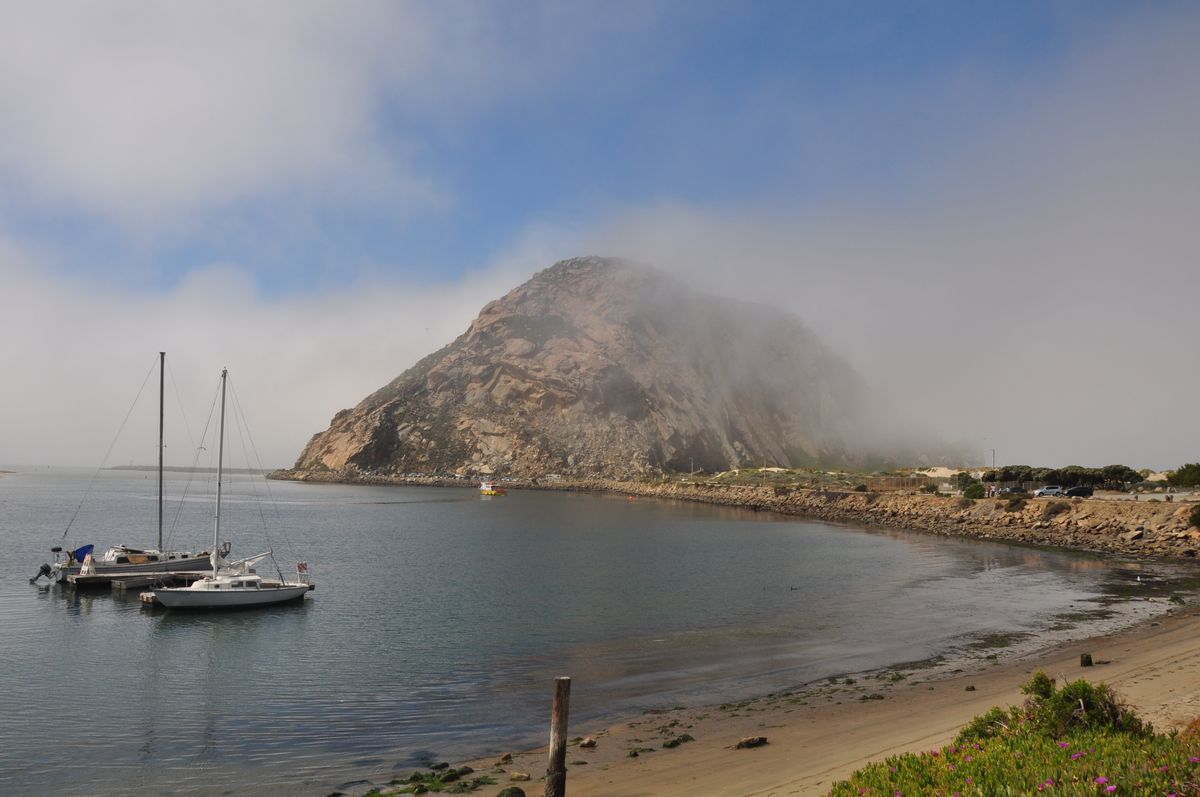
Morro Bay — this is the coast these pages are about.
Quick answer: Construction Tree Protection in Morro Bay, CA — Trees on this coast live with fog, salt, wind and thin soil, and the work that keeps them healthy is decided by those conditions rather than by a calendar written inland. Structure, clearance and the root zone are what a tree here needs looked at, and small work done early is what keeps a tree out of the emergency list.
- What it involves: Structural pruning, clearance from structures and wires, deadwood removal, root-zone care and hazard assessment.
- Typical timing: Structural work in the dormant months; deadwood, clearance and hazard work whenever the tree needs it.
- The standard: The ISA standards for pruning and tree risk assessment, applied by ISA-certified arborists.
- Where we work: Cambria, San Simeon, Harmony, Cayucos, Morro Bay, Los Osos and the Cambria pine belt.
- Our own record: 503 pages and 291 stories published on this site. Counted from our own archive, not a stock table.
Field note. What we see on this coast is that the trees people worry about are usually not the ones in trouble: the pine with a clean crown and a lean that predates the house is often sounder than the tidy tree that has been quietly drowning in its own root zone.
On the other hand, there is no schedule that suits every tree — the same species on two sides of one street can need opposite care, which is why we look before we recommend.
Building in Morro Bay is usually building around a tree you decided to keep, and on this side of the hill that tree is often the reason the lot looked buildable at all.
The damage a build does to it happens in the first week and shows up five years later: roots crushed under a tracked excavator, a flare buried under two feet of finished grade, a trench cut through the drip line for a conduit. By the time the tree looks sick the builder is gone and the cause is under a slab.
Draw the critical root zone before anyone digs
Every tree that is staying gets a protection radius drawn on the site plan, not estimated on the day.
The rule of thumb we use is a foot of radius for every inch of trunk diameter, generously — for a mature coast live oak or a Monterey cypress on a Morro Bay lot that is a circle wide enough to take the whole side yard, which is the point: the plan should fail visibly on paper, while it can still be redrawn.
Fencing, and the difference it makes
A marked circle does nothing. A five-foot welded panel fence around the critical root zone does, because it moves the traffic rather than asking anyone to remember. Fencing goes up before demolition and comes down after the last concrete truck, with the town hub page's own service list as the reminder that the rest of the tree work can be sequenced around the build.
The four ways a build kills a tree here
- Compaction. Sand and old fill — much of the flat between Main Street and the water — pack hard under a loaded wheel, and packed sand is a root zone that cannot breathe.
- Grade change. Adding soil over a root zone buries the flare and starves the roots; taking soil away strips them. Both happen on sloped lots above town without anyone deciding to do it.
- Trenching. Irrigation, gas, sewer and conduit all cut a line through the root crown, and the roots that regenerate cross the backfill rather than restoring the old structure.
- Concrete washout and lime. A washout pit inside a tree's root zone is a chemical burn, and it is the easiest of the four to avoid — put it outside the fence and on a lined spot.
Monitoring is part of the plan, not an extra
The protection plan is only as good as the visit that checks it. We schedule site walks at demolition, at excavation, and before the finish grade, because those are the three moments the fence gets moved. A photograph log with a date on it is also what protects the owner later, when a tree that was healthy at the start of the project is declining at the end of it.
What the finished lot owes the tree
After occupancy the root zone still needs its surface: mulch rather than turf, drainage that sends roof water away rather than into the root crown, and irrigation that respects which species will not tolerate summer water at all. If the soil has already been compacted, the repair is root-zone remediation rather than more water. Call (805) 927-4414 or use the contact page before the draws are finalised, and the plan will cost a morning instead of a mature tree.
Field note — Adrian Delacroix writes the protection plan for the builder first, because a plan the trades can follow is the only kind that survives a busy week.
Questions, quotes, or just exploring — we’re here to help.