

Commercial & HOA Tree Care in Morro Bay, CA
HOA & Commercial Tree Care in Morro Bay, CA
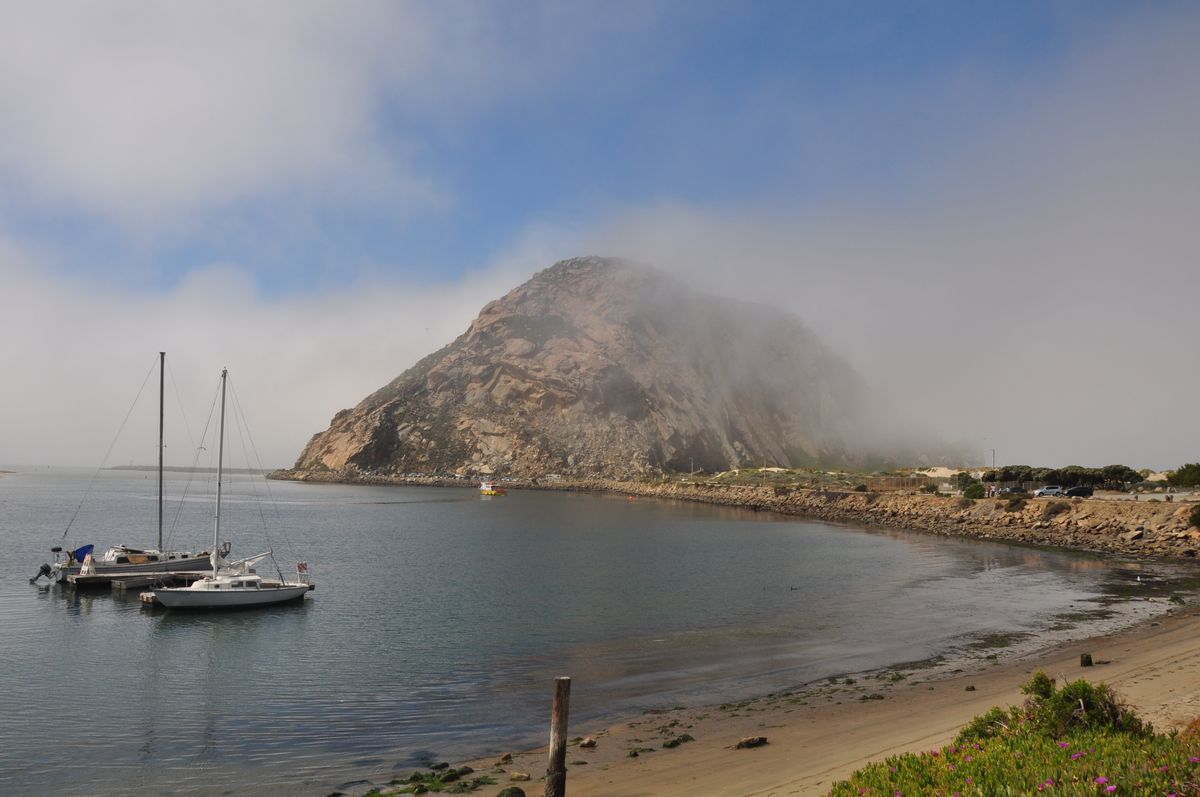
Morro Bay — this is the coast these pages are about.
Quick answer: HOA & Commercial Tree Care in Morro Bay, CA — Trees on this coast live with fog, salt, wind and thin soil, and the work that keeps them healthy is decided by those conditions rather than by a calendar written inland. Structure, clearance and the root zone are what a tree here needs looked at, and small work done early is what keeps a tree out of the emergency list.
- What it involves: Structural pruning, clearance from structures and wires, deadwood removal, root-zone care and hazard assessment.
- Typical timing: Structural work in the dormant months; deadwood, clearance and hazard work whenever the tree needs it.
- The standard: The ISA standards for pruning and tree risk assessment, applied by ISA-certified arborists.
- Where we work: Cambria, San Simeon, Harmony, Cayucos, Morro Bay, Los Osos and the Cambria pine belt.
- Our own record: 503 pages and 291 stories published on this site. Counted from our own archive, not a stock table.
Field note. What we see on this coast is that the trees people worry about are usually not the ones in trouble: the pine with a clean crown and a lean that predates the house is often sounder than the tidy tree that has been quietly drowning in its own root zone.
On the other hand, there is no schedule that suits every tree — the same species on two sides of one street can need opposite care, which is why we look before we recommend.
Morro Bay's commercial parcels are mostly small, mostly close together, and mostly full of trees that were planted before anyone wrote a maintenance budget. A waterfront property with a cypress row, a downtown block with street trees over a sidewalk, a hillside HOA with a pine grove between the units — the trees are the amenity that sells the property and the line item nobody owns.
Our job on the commercial side is to turn that into a written cycle with a name attached to it.
Three groups of trees, three different obligations
The frontage comes first, because it is the one with legal exposure: street trees and plantings over the public sidewalk need clearance over pedestrians and a sight line at every driveway, and the city's own requirements apply on top of whatever looks tidy. The structures come next — the limbs over roofs, the clearance at the service drop, the branches that overhang a guest parking pad or a walkway a tenant uses in the dark.
Then the grove or windbreak: the tall, older stand that makes the lot what it is and is also the thing that will eventually fail, because it is the oldest and most wind-loaded material on the property.
A cycle that names those three groups gets done. A contract that says "trim trees annually" gets deferred, and deferred is how a routine pruning becomes a crane job with a traffic plan and a booked-out loss.
The calendar that keeps the budget honest
Coastal properties here suit three passes a year. Late winter, after the storms have taken what they were going to take: a full walk and the corrective pruning, while the ground is soft and the access is easy. Late spring: clearance lines and the palm work, before the dry season makes every cutting job a fire question.
Early autumn: the defensible-space pass around the buildings — now a line item insurers and CAL FIRE both ask about, and considerably cheaper as a planned cut than as a clearance letter answered in a hurry.
The economics are not subtle. Emergency work carries a premium because a crew arriving at a compromised tree with a deadline is working at the worst end of the risk curve, and it carries a second cost most owners never see: emergency removals are almost always done with bigger equipment and fewer options.
A planned removal can be rigged by hand through a side yard. An urgent one needs a crane, a road closure and a week of waiting for both.
One contact, and a file that answers questions a year later
Every commercial engagement leaves a property file behind: the inventory with species and condition, the work record with dates, before-and-after photographs, the arborist's name and credentials, and a certificate of insurance with the additional-insured endorsement most management agreements require. That file is what answers a board's question, a guest's insurance claim, and the city when it asks why a limb came down over a sidewalk.
It also makes the next quote easier, because the property's history is in one place rather than in four memories.
We would rather walk a property once and write a year of work than quote a single visit. If the trees on your parcel have been someone's spare-time item, the walk is the cheapest thing on this page.
Field note — Adrian Delacroix begins with the paperwork a manager actually has to satisfy: the maintenance clause, the additional-insured requirement, and the week the calendar can spare.
Questions, quotes, or just exploring — we’re here to help.