


The Load That Comes Off the Chipper
Wood Chip Mulch Delivery
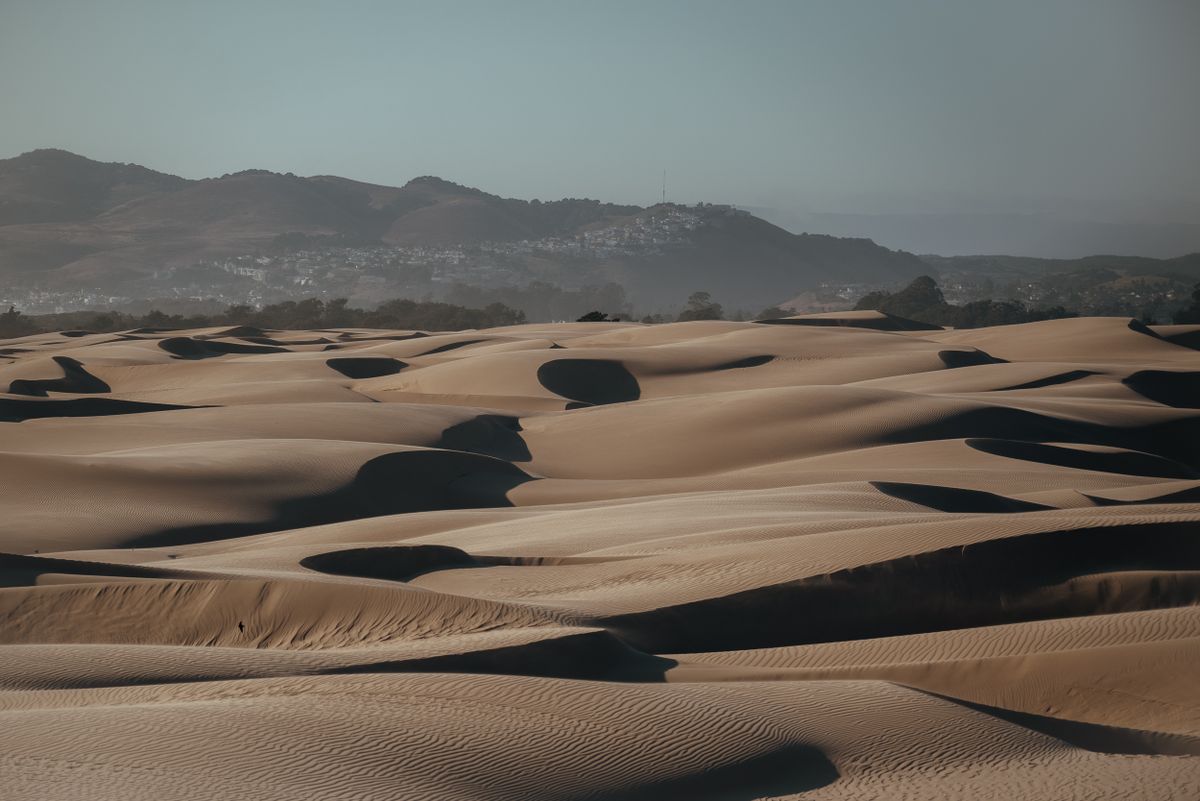
Los Osos — this is the coast these pages are about.
Quick answer: Wood Chip Mulch Delivery — Mulch is the cheapest thing that happens to a tree: a flat layer over the root zone holds moisture through the dry season, keeps the soil temperature steady and feeds the soil life the tree depends on. Almost every mulch problem is a depth problem or a contact problem — too thick, or piled against the trunk where the bark has to stay dry.
- Typical depth: Two to four inches, flat, from the drip line inward — never a cone against the trunk.
- Typical timing: After planting or after a clean-up; refreshed in autumn so winter rain carries it down.
- What it involves: Keeping the root flare visible, keeping mulch off the bark, and choosing material that breaks down rather than mats.
- The standard: ISA and university extension guidance on arboricultural mulching and the root flare.
- Our own record: 503 pages and 291 stories published on this site. Counted from our own archive, not a stock table.
Field note. What we see most on this coast is not too little mulch but too much, in the wrong place: the volcano against the trunk that keeps the bark wet through the fog season and invites rot where the tree cannot show it until the canopy thins.
On the other hand, a thin ring of the wrong material is worse than none at all — matted, water-repellent mulch sheds the rain it was meant to store.
Chips Are What Comes Off the Trees
Wood chip delivery los osos properties ask for is the simplest honest trade there is: when we take a pine or a cypress down or prune a canopy here, the material that goes through the chipper is a mixed load of wood, bark, needles and leaves, and most of it never needs to leave the parcel.
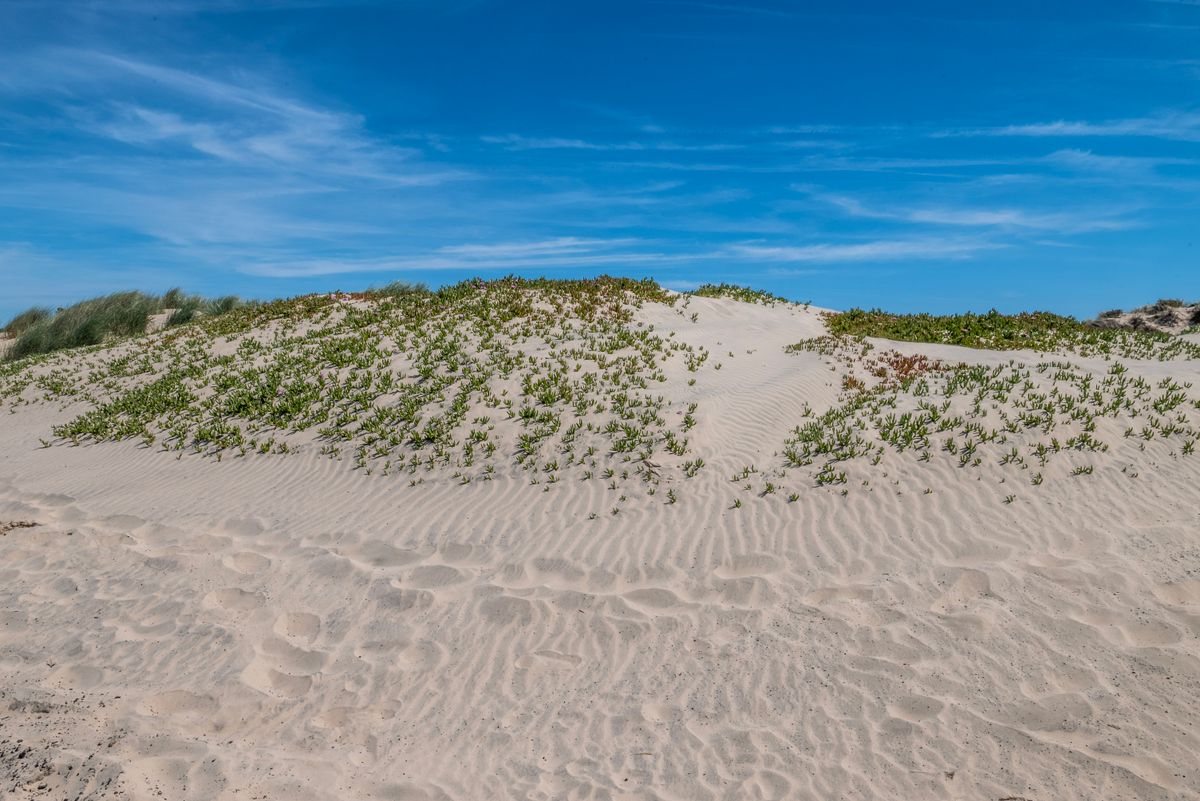
On a lot built on old dune sand, that load is more valuable in place than it is anywhere else, because sand holds almost no water and almost no organic matter, and chips slowly become both.
What Fresh Chips Are and Are Not
Arborist chips are not the uniform bagged bark you buy at a garden centre. They are coarser, they arrive mixed, and they are fresh — which means the first few inches of ground beneath them will be short of nitrogen while the material breaks down at the surface.
That is a non-issue for a mulch layer over an established root zone, and it is why fresh chips are worked into the soil only with time, or composted first. For the material itself, a delivery is priced by the load and the access, not by the yard.
How to Use Them Well
- Two to four inches deep over the root zone, wide and flat rather than heaped.
- Never against the trunk. A mound of chips touching the bark holds moisture where the tree is not built for it; leave a gap of a few inches around the flare and let the ring spread outward.
- Out past the drip line. The roots that use the water and the biology are out at the edge of the canopy, so thin rings around the trunk waste the material.
- Paths, play areas and slope cover take chips that are too coarse or too fresh for a planting bed.
- Keep them clear of a leach field and of any area that needs to drain fast.
Where They Help Most on a Los Osos Lot
Under the pines and cypress on the sandy ground, a chip layer is doing three jobs at once: it slows the evaporation that makes summer watering so hard to get right on sand, it feeds the soil biology that a lean dune profile lacks, and it suppresses the weeds that would otherwise compete for the same water.
On a bare bank it is also temporary erosion cover while a planting gets established, which pairs with erosion control and revegetation. Where the chips are the finish on work we are already doing, that is the mulching service.
Availability Is Honest and Local
Chips come off the jobs we run in this town, so supply depends on what we have been cutting — there is no warehouse. Tell us roughly what the material is for, and how the truck would get to it, and we can say whether a load is available and when.
Ask About a Load
Call (805) 927-4414 or use the contact page with the address and where you would like the pile left. The Los Osos service page has the rest of the local work.
Questions, quotes, or just exploring — we’re here to help.