


Tree Inspection Services in Los Osos, CA
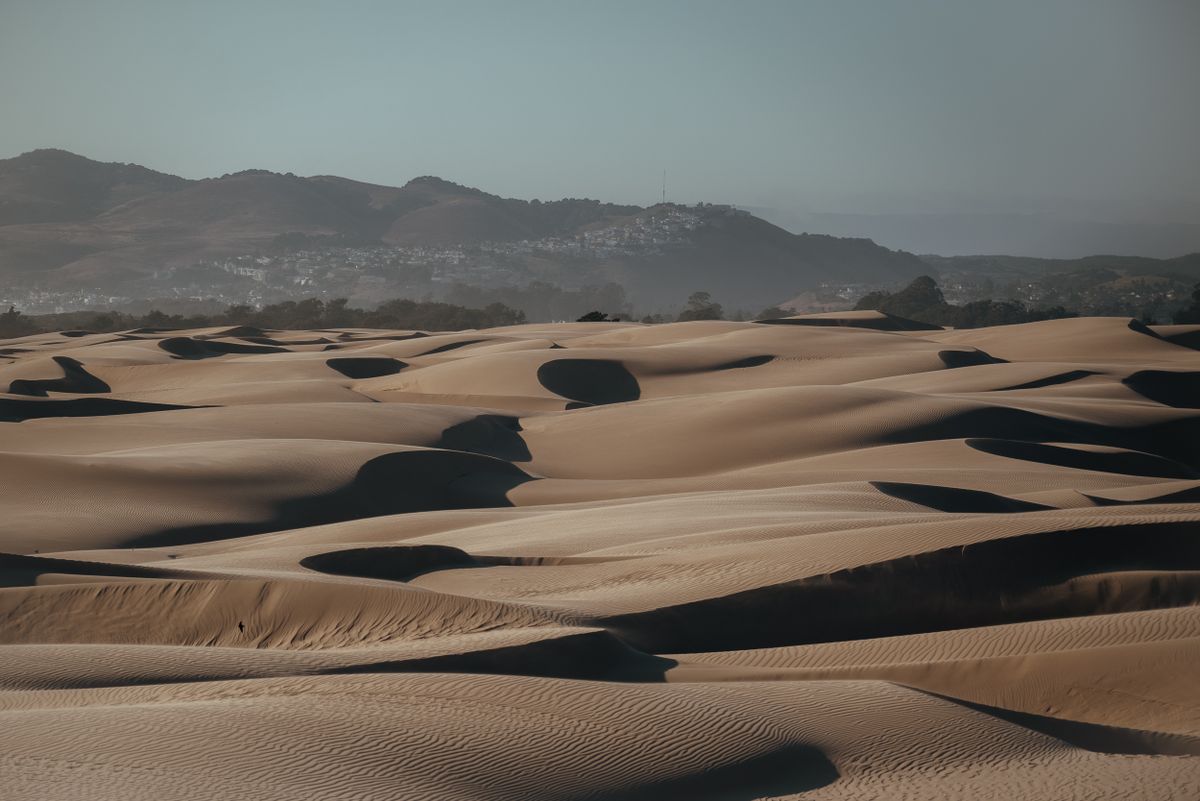
Los Osos — this is the coast these pages are about.
Quick answer: Tree Inspection in Los Osos, CA — Trees on this coast live with fog, salt, wind and thin soil, and the work that keeps them healthy is decided by those conditions rather than by a calendar written inland. Structure, clearance and the root zone are what a tree here needs looked at, and small work done early is what keeps a tree out of the emergency list.
- What it involves: Structural pruning, clearance from structures and wires, deadwood removal, root-zone care and hazard assessment.
- Typical timing: Structural work in the dormant months; deadwood, clearance and hazard work whenever the tree needs it.
- The standard: The ISA standards for pruning and tree risk assessment, applied by ISA-certified arborists.
- Where we work: Cambria, San Simeon, Harmony, Cayucos, Morro Bay, Los Osos and the Cambria pine belt.
- Our own record: 503 pages and 291 stories published on this site. Counted from our own archive, not a stock table.
Field note. What we see on this coast is that the trees people worry about are usually not the ones in trouble: the pine with a clean crown and a lean that predates the house is often sounder than the tidy tree that has been quietly drowning in its own root zone.
On the other hand, there is no schedule that suits every tree — the same species on two sides of one street can need opposite care, which is why we look before we recommend.
Most Los Osos inspection calls come from one of three places: a house is about to change hands, an insurer has asked a question nobody can answer, or an owner has been watching a big pine lean a little more every winter and wants a straight answer.
All three deserve the same thing — a person who knows this coast walking the property, looking at the trees as a group, and writing down what they actually see. That last part matters. An inspection that ends in a verbal shrug is not an inspection.
What we look at on a sandy lot
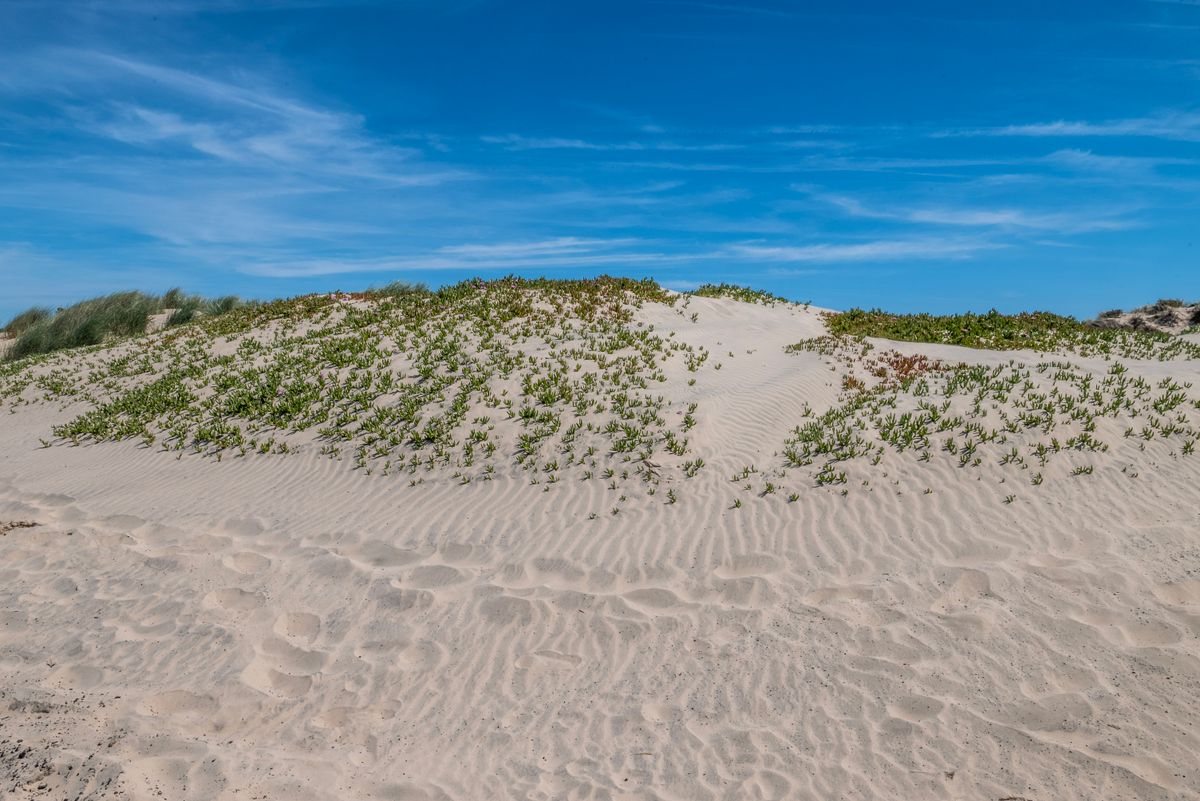
The trees here fail in patterns, and the inspection is built around them. Root plates in dune sand are broad and shallow, so the useful question is not how big the trunk is but what the soil around it is doing — recent grade changes, new irrigation, a driveway poured over the root zone, a winter of standing water.
Pines carry dead leaders invisible from the ground; cypress hold decay in old branch stubs; coast live oaks hide cavities behind sound-looking bark. And every tree on the property sits in a wind corridor, so lean, sail area and exposure count as much as species.
What the report covers
You get each significant tree identified by location, its condition, the defects found, and a recommendation with a time frame — monitor, prune, cable, remove — in plain language. Where the hazard is real, we say so and say why. Where a tree is fine, we say that too, and the report is worth having precisely because it is willing to say it.
Real-estate and insurance uses usually need the written form; for those we describe the defect, the target it would hit, and the likelihood, because that is the vocabulary those readers use.
An inspection is also the cheapest way to plan work. If several trees need attention over the next few years, the report turns a nagging list into a budget: this one this season, that one next, and the third one only if it changes. On a street full of same-age pines, the comparison between neighboring trees is often the most useful thing on the page — the tree that is different from its neighbors is the one to watch.
What a walk-through is not
One visit answers the questions a person can answer by looking: is this tree sound, is that fork a problem, what should be done next. It does not confirm decay inside a trunk, and no honest inspection claims to.
Where the defect could go either way — a cavity on a big oak, a base that sounds hollow — the report says so and offers the next step, which may mean a specialist's decay test through a consulting arborist if the stakes justify it. Most Los Osos properties never need that level of testing, and part of the job is telling you when a tree has graduated from a glance to a specialist.
What to bring to the walk
Anything you remember about the trees helps: when they were planted, what was pruned last, whether the ground around them has changed — a new driveway, a regraded yard, irrigation added or abandoned. Photos from ten years ago are worth more than most people expect, because they show growth and lean instead of leaving us to guess. For a sale or an insurance file, bring the deadline; reports written to a date get finished to that date.
We do not sell removals by inspection. If the honest answer is that your tree can stand for another twenty years, the report says that, and the work it recommends is the work the trees need. When a recommendation is removal, the plan is on our tree removal page, and the estimate follows the same rules as everything else we do here: one crew, one standard, one price.
Questions, quotes, or just exploring — we’re here to help.