


Why Is This Tree Declining?
Tree Health Diagnosis in Los Osos, CA
Los Osos — this is the coast these pages are about.
Quick answer: Tree Health Diagnosis in Los Osos, CA — Trees on this coast live with fog, salt, wind and thin soil, and the work that keeps them healthy is decided by those conditions rather than by a calendar written inland. Structure, clearance and the root zone are what a tree here needs looked at, and small work done early is what keeps a tree out of the emergency list.
- What it involves: Structural pruning, clearance from structures and wires, deadwood removal, root-zone care and hazard assessment.
- Typical timing: Structural work in the dormant months; deadwood, clearance and hazard work whenever the tree needs it.
- The standard: The ISA standards for pruning and tree risk assessment, applied by ISA-certified arborists.
- Where we work: Cambria, San Simeon, Harmony, Cayucos, Morro Bay, Los Osos and the Cambria pine belt.
- Our own record: 503 pages and 291 stories published on this site. Counted from our own archive, not a stock table.
Field note. What we see on this coast is that the trees people worry about are usually not the ones in trouble: the pine with a clean crown and a lean that predates the house is often sounder than the tidy tree that has been quietly drowning in its own root zone.
On the other hand, there is no schedule that suits every tree — the same species on two sides of one street can need opposite care, which is why we look before we recommend.
A pine that is thinning on top is not giving you a diagnosis, it is giving you a symptom. Tree health diagnosis in Los Osos means working out which of about five causes is behind the symptom before anybody recommends a treatment, because the same yellowing, thinning, dying-back crown can come from water, from soil, from roots, from salt and wind, or from a pest that only arrived because the tree was already in trouble.
The Differential, in the Order It Usually Resolves
- Water — too much or too little. On these lots the high water table and a wet winter cause more decline than summer drought does, and a root zone that sits saturated through February is a root zone rotting quietly. The opposite problem shows up on a lot that has been drained or graded.
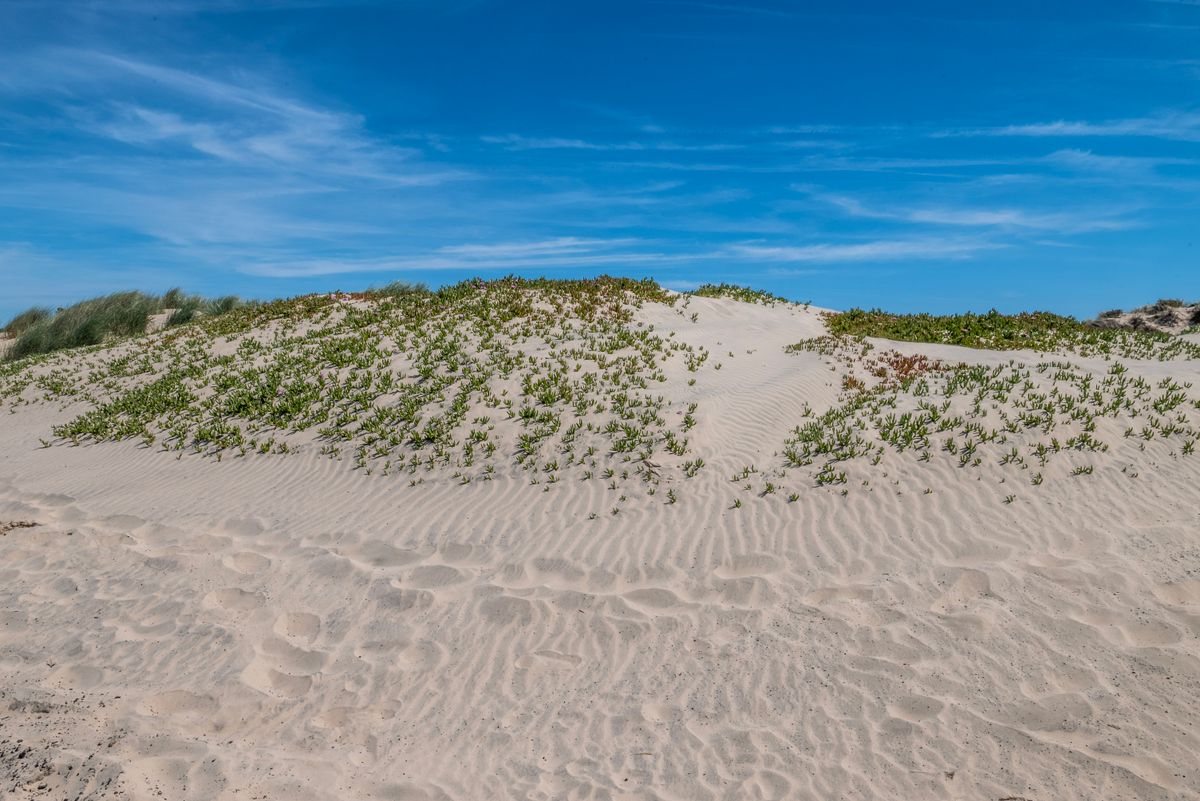
- Soil compaction and grade change. A pad, a driveway, a patio built over the root zone, or fill brought in around a trunk. Roots need air, and a compacted root zone on dune sand is one of the quietest causes of a slow decline.
- Root damage — a trench for a sewer line, a retaining wall, an old grade cut. Damage done years ago shows up as crown decline now.
- Nutrients and pH. Coastal soil here runs in a particular direction, and the symptom of a deficiency and the symptom of a pH that locks the nutrient up look similar.
- Salt and wind, which burn foliage on the seaward side and can look like disease from a distance.
- Pests and pathogens, which are often the second cause rather than the first: beetles find a drought-stressed pine, they rarely create the stress.
Why the Order Matters
Treating a pest on a tree whose problem is a saturated root zone does nothing but cost money. Fertilising a tree that is declining from compaction pushes soft growth onto a root system that cannot support it. Naming the cause first is not a delay, it is the only way the treatment can work — which is why a diagnosis visit starts with the soil, the grade and the water before it gets to the leaves.
What the Visit Looks Like
We walk the root zone and look at the grade and the drainage, check the flare for buries and the trunk for wounds, and read the crown from below and from a distance. Where the answer turns on soil chemistry or on the inside of a stem, we say what test would settle it and what it would cost, rather than ordering one by reflex.
Where the answer is a pathogen, the treatment half is its own page — pest and disease management — and where the tree is a coast live oak, the rules are different enough to have their own: oak tree preservation.
What You Can Do Before We Arrive
Note when the decline started and whether it followed a wet winter, a construction project, a grading job or a change in watering. Photographs of the crown from two sides and of the ground around the base help more than a description. That history is often the fastest route to the cause.
Tell us the species if you know it and what has changed on the lot recently. Call (805) 927-4414 or use the contact page, and start at our Los Osos page.
Questions, quotes, or just exploring — we’re here to help.