



Air Before Food, Always
Root-Zone Aeration & Fertilization
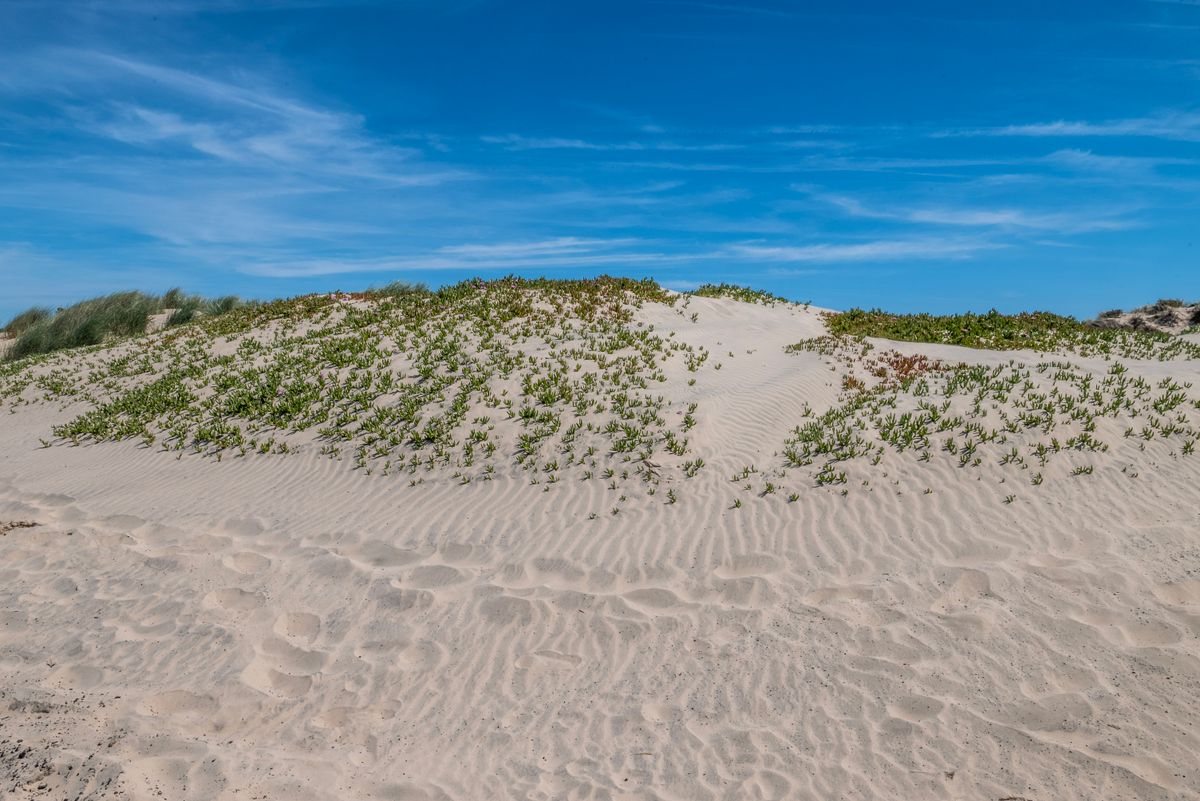
Los Osos — this is the coast these pages are about.
Quick answer: Root-Zone Aeration & Fertilization — A stump is the part of the problem that is still in the ground: it holds the roots that lift pavement, keeps a species alive if it re-sprouts, and occupies the spot where the next planting goes. Grinding removes it below the surface so the ground can be worked again, and the roots that matter are the ones under the driveway rather than the ones beside the trunk.
- Typical timing: Any month the ground is workable; rain-softened soil grinds fastest and leaves the cleanest spoil.
- What it involves: Assessing re-sprout risk by species, grinding below grade, raking the spoil back, and handling surface roots separately from the stump.
- The standard: ISA guidance on root cutting and the ANSI A300 pruning standard where roots and crown are worked together.
- Where we work: Cambria, San Simeon, Harmony, Cayucos, Morro Bay, Los Osos and the Cambria pine belt.
- Our own record: 503 pages and 291 stories published on this site. Counted from our own archive, not a stock table.
Field note. On this coast the stump is rarely the end of the job: Monterey pine and eucalyptus both keep enough energy in the roots to push new growth, so we are looking at the species before we quote the grind rather than after.
On the other hand, a stump left in a garden bed is sometimes the better answer — it decays, feeds the soil and costs nothing — so grinding is a choice, not a rule.
Feeding a Tree on Old Dune Sand
Root zone aeration los osos trees need is mostly about air, not food. The sand between the bay and the hills is coarse, fast-draining and naturally lean — it holds few nutrients and almost no organic matter, so a tree that grew up here has spent its life working harder for what it gets than the same species on the heavier ground inland.
That is the climate it is adapted to, and it is also why pushing it with quick fertiliser tends to produce a flush of soft growth the coastal wind tears apart.
Air First
A compacted root zone cannot use fertiliser, because the roots cannot respire and the biology that converts nutrients into a usable form is not there. So the sequence is always the same: relieve the compaction, then amend, and only then consider feeding. Deep aeration opens the profile with air or water under pressure rather than with a blade, breaking the hard layer without cutting the structural roots that hold a wind-loaded pine upright in sand.
What the Soil Actually Lacks
Sand is usually short on organic matter, low in cation exchange, and quick to leach anything soluble straight past the root zone. That has three consequences worth knowing:
- Fast-release nitrogen mostly leaves. A soluble feed on irrigated dune sand can wash below the roots within a couple of waterings, so the tree gets a spike and then nothing.
- Organic matter does the real work. Compost worked into the aerated profile holds both water and nutrients where roots can reach them, which is a slower and more useful intervention than a granular feed.
- Mycorrhizal products deserve scepticism. The claims attached to them are larger than the evidence; healthy soil with organic matter supports the fungi that belong here, and a bottle of spores is rarely the thing that was missing.
Why Over-Feeding Is the Common Mistake
Soft, fast growth is weak wood. A pine or cypress pushed into lush extension growth on a windy coastal lot builds a canopy that its root plate in sand can no longer hold, and the failure shows up in the first real winter storm.
For the native oaks on the higher ground the mistake runs the other way: extra water and nutrients around an oak root zone invite the root and crown diseases that kill it over a decade. The right amount for a coast live oak is usually none.
A Soil Test Before a Bag of Anything
Where a tree is genuinely declining, a soil test tells you whether the problem is pH, a specific deficiency, or something that feeding will never fix — salinity from a salt-laden wind, a water table that sits high through the wet months in the Baywood flats, or a root zone that was injured years ago. Diagnose, then treat; a generic feed applied to an undiagnosed tree is money spent to make the real cause harder to see.
Where the soil structure itself is the injury, that work belongs with soil and root-zone remediation, and where a new tree is the plan, planting sets it up properly from the start.
Ask for a Look at the Trees
Tell us the species, the age of the planting, and what has changed on the lot in the last few years. Call (805) 927-4414 or use the contact page to arrange a visit, and start at our services for the rest of the work we do on this coast.
Questions, quotes, or just exploring — we’re here to help.