


Keeping the Lane Usable Through the Year
Roadway & Right-of-Way Clearance
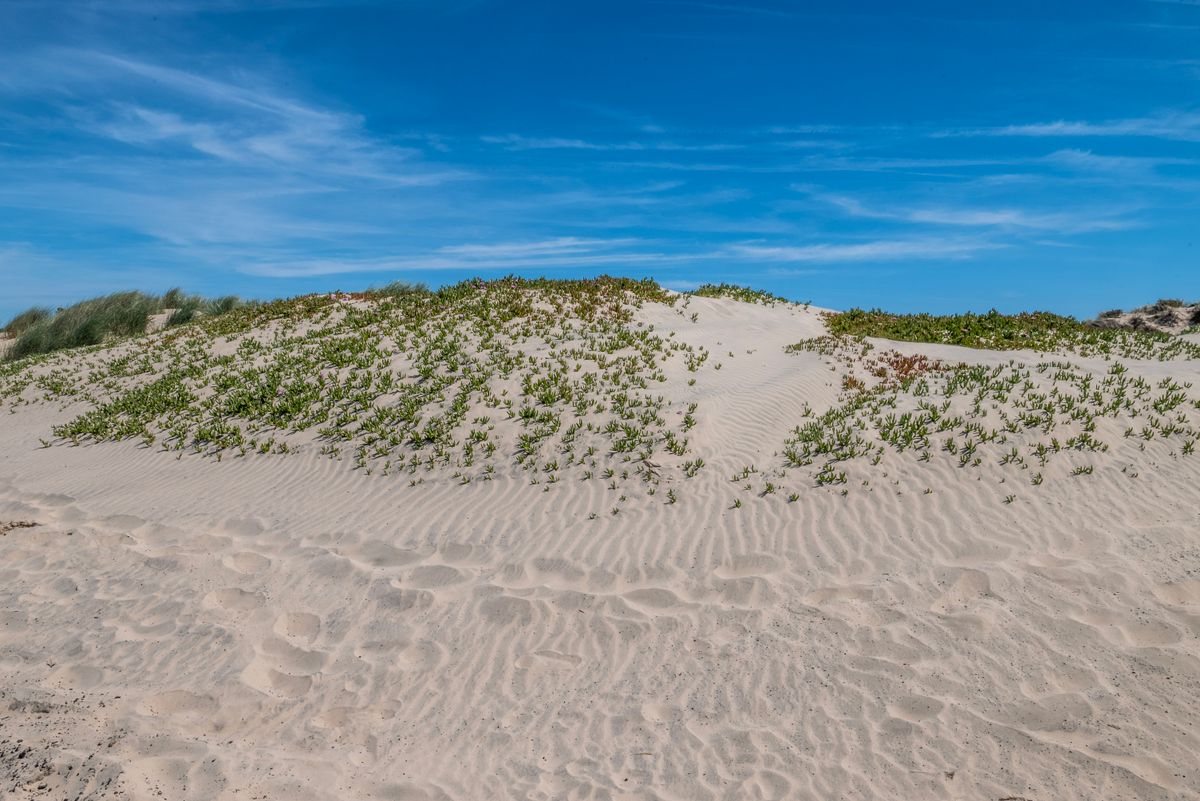
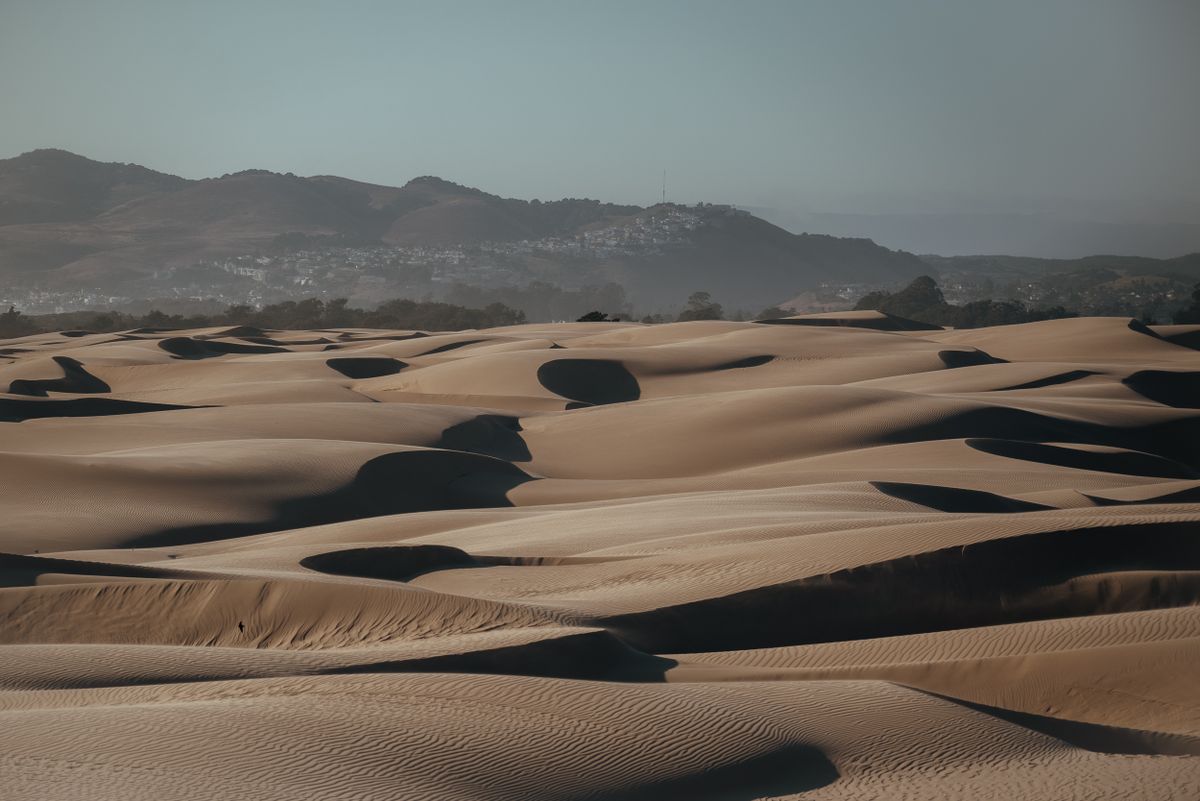
Los Osos — this is the coast these pages are about.
Quick answer: Roadway & Right-of-Way Clearance — Defensible space is the work that decides what a fire has to burn between the wildland and the house: dead material out, ladder fuels separated, and the tree you keep limbed up rather than removed. It is measured in zones from the structure, and the first few feet are the ones that matter most.
- Typical timing: Best done in the cool months so the debris is gone before the dry season; clearance rules apply year-round.
- What it involves: Removing dead and dying material, separating shrubs from low limbs, limbing trees near structures, and keeping the roof and gutters clear.
- The standard: Cal Fire's defensible-space guidance for the first 100 feet, applied to the trees a property actually has.
- Where we work: The wooded parts of Cambria, San Simeon, Harmony and the surrounding ranch country.
- Our own record: 503 pages and 291 stories published on this site. Counted from our own archive, not a stock table.
Field note. What we see on this coast that surprises people is how much of the fuel load is low: the limb at four feet and the brush beneath it carries fire into a canopy that would otherwise survive, so the work is often lifting rather than felling.
On the other hand, over-clearing has its own cost — bare ground erodes, and the wind that comes with the fog belt is harder on a thinned stand than the fire risk it removes.
Keeping the Way Clear Is a Maintenance Job, Not an Event
Right of way clearance los osos roads need is the work nobody notices until a limb is scraping the roof of a delivery van or a driver cannot see a cyclist coming the other way on a curve. On the narrow lanes here, where the shoulder is often just sand and the vegetation comes right to the pavement, the clearance is what keeps a road usable through the winter and keeps the sightlines honest through the summer.
What Gets Cleared, and How High
- Vertical clearance measured against what actually uses the road. A residential lane and a route that takes a fire engine or a refuse truck have very different requirements, and the fire apparatus is the one that tends to be forgotten.
- Sightlines at curves, driveways and junctions, where the brush has grown up just high enough to hide an oncoming car.
- Sign visibility — the stop sign and the street blade that a branch has been shading for two seasons.
- Brush encroachment along the shoulder and over the pavement edge, which narrows the effective width and holds moisture against the asphalt.
- Dead and hanging limbs over the travelled way, which are the ones that come down without warning.
Who Owns the Right-of-Way
This is where the work gets decided rather than done. A private shared driveway is the owners' business end to end. A county-maintained road is the county's, and the clearance is theirs unless the encroaching vegetation is on private property, in which case the adjoining owner is usually responsible for the tree that created it.
A utility easement is a third thing again, and the work near an energised conductor belongs to the utility, which is the boundary described in utility line and power drop clearance. Knowing which of the three you are standing on saves an argument and sometimes a fine.
Traffic Control on a Narrow Coastal Road
Working over a lane means somebody has to manage the traffic, and on a Los Osos lane there is often nowhere to put it. Flagging, a short closure with notice to the neighbours, or working the shoulder outside the busy hours are all judgement calls that depend on the road.
The disposal is part of the same job: brush and limbs cut from a right-of-way come off the road, not into the ditch where the next rain carries them into a culvert.
Why It Is Cheaper on a Cycle
Clearance regrows — that is what vegetation does. A biennial pass that takes the young growth and the dead material costs a fraction of the emergency visit after a storm has closed the road, and it keeps the clearance within the spec instead of letting it lapse and then having to cut hard. Where the fuel load along a road is also a fire concern, that work is ladder fuel and brush removal.
Arrange an Assessment
Tell us the road, roughly how much of it fronts the property, and what uses it. Call (805) 927-4414 or use the contact page to arrange a visit; our services has the rest of the coast work.
Questions, quotes, or just exploring — we’re here to help.