



Fire Clearance & Defensible Space in Los Osos, CA
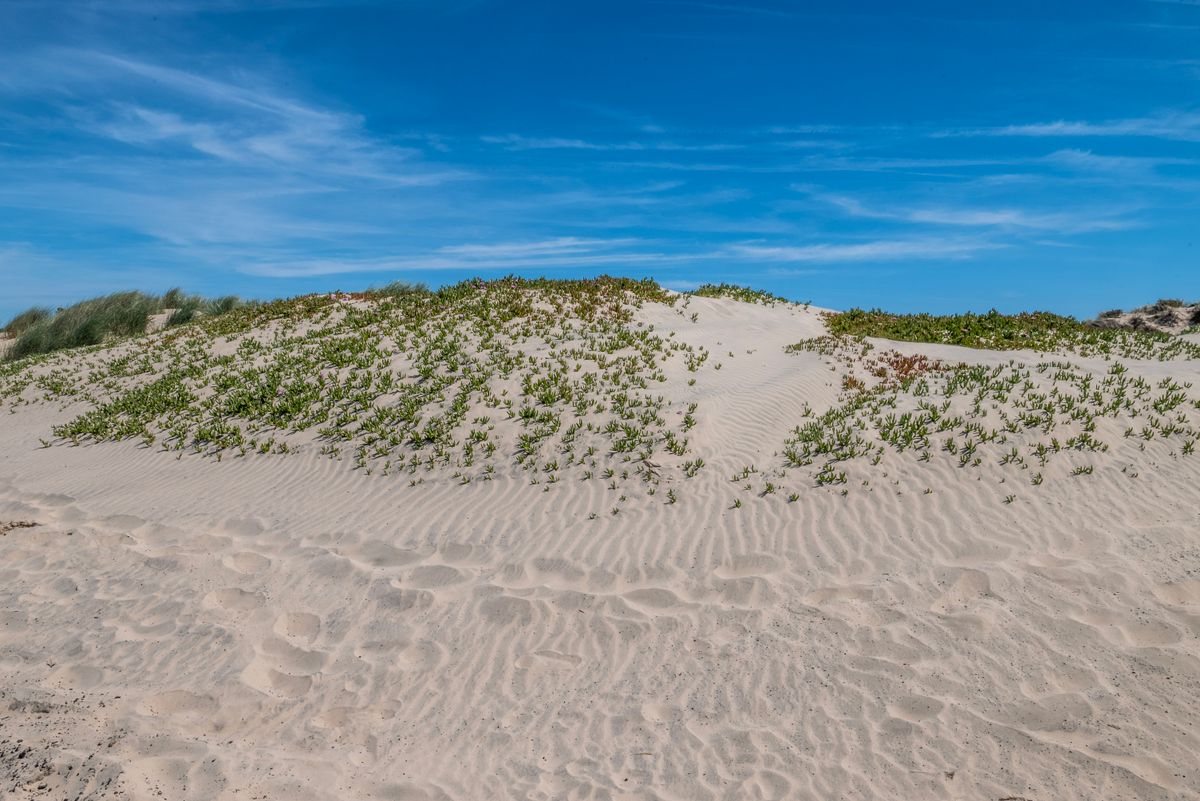
Los Osos — this is the coast these pages are about.
Quick answer: Fire Clearance in Los Osos, CA — Defensible space is the work that decides what a fire has to burn between the wildland and the house: dead material out, ladder fuels separated, and the tree you keep limbed up rather than removed. It is measured in zones from the structure, and the first few feet are the ones that matter most.
- Typical timing: Best done in the cool months so the debris is gone before the dry season; clearance rules apply year-round.
- What it involves: Removing dead and dying material, separating shrubs from low limbs, limbing trees near structures, and keeping the roof and gutters clear.
- The standard: Cal Fire's defensible-space guidance for the first 100 feet, applied to the trees a property actually has.
- Where we work: The wooded parts of Cambria, San Simeon, Harmony and the surrounding ranch country.
- Our own record: 503 pages and 291 stories published on this site. Counted from our own archive, not a stock table.
Field note. What we see on this coast that surprises people is how much of the fuel load is low: the limb at four feet and the brush beneath it carries fire into a canopy that would otherwise survive, so the work is often lifting rather than felling.
On the other hand, over-clearing has its own cost — bare ground erodes, and the wind that comes with the fog belt is harder on a thinned stand than the fire risk it removes.
Los Osos does not look like a fire town, and that is exactly why the work gets postponed. The fog, the bay and the green of the reserve on the south end make the risk feel remote — but the sand country burns when a dry wind pushes a fire through eucalyptus and pine, and dozens of homes sit under canopies that have not been cleaned in twenty years.
Fire clearance on this coast is not about a distant forest; it is about the fifty feet around your house and the chimney of fuel that connects your shrubs to your roofline.
What defensible space means on a sandy lot
The modern guidance breaks the property into zones. The first five feet against the structure should have nothing that can carry flame to the wall — no shrubs under the eaves, no woodpiles, no needles banked against the siding. From there to thirty feet, the goal is discontinuity: trees thinned so canopies do not touch, underbrush reduced, and ladder fuels — the low limbs and shrubs that hand a ground fire up into the crown — removed.
Beyond that, thinning and cleanup continue at a lighter scale. On the pine and eucalyptus blocks of Los Osos the single biggest fuel is what falls every year: needles and bark, unraked, sitting in a mat under trees that are already oily and resinous.
The work, in the order that matters
We start with the trees nearest the house. Low limbs come up, dead wood comes out, and any tree that arches over the roof gets the crown lifted away from the chimney and the eaves. Eucalyptus — the worst actor in a wind-driven fire — gets particular attention: its fallen bark and litter are removed from the structure zone, not just piled at the property line.
Then the shrubs and the ladder fuel, then the raking, and then the material itself: we chip what can be chipped and take away what cannot, because a cleared property with a pile of dry brush on it is only half done.
Timing, and the rules that shape it
Clearance work is best done in late spring or early fall — after the growth flush, before the first dry wind event, and outside the nesting season that protects the birds using those canopies in spring. On the coast that window is generous; inland it narrows, and we schedule to it rather than around it. Chipping on site keeps the material from becoming a second problem, and what cannot be chipped leaves the property the same day.
If you are also dealing with a hazard tree inside the clearance zone, it usually rides the same visit: the crew and the chipper are already there, and the county paperwork, where a permit is needed, is handled once instead of twice.
County hazard rules apply on most parcels here, and coastal-zone conditions can add their own limits on what may be removed; we work within them, and where a protected oak is part of the situation we plan around the tree rather than through it. The result is a property that looks cared for — open under the big trees, light on the ground — and behaves very differently when a fire comes over the hill.
Clearance also protects the trees themselves: a pine that has been cleaned of dead wood and has space around it is far less likely to become the torch that carries fire to the next block. When a clearance inspection finds a tree that is past managing, the follow-up is on our tree removal page, priced the same as any other planned removal.
Questions, quotes, or just exploring — we’re here to help.