



Emergency Tree Service in Los Osos, CA
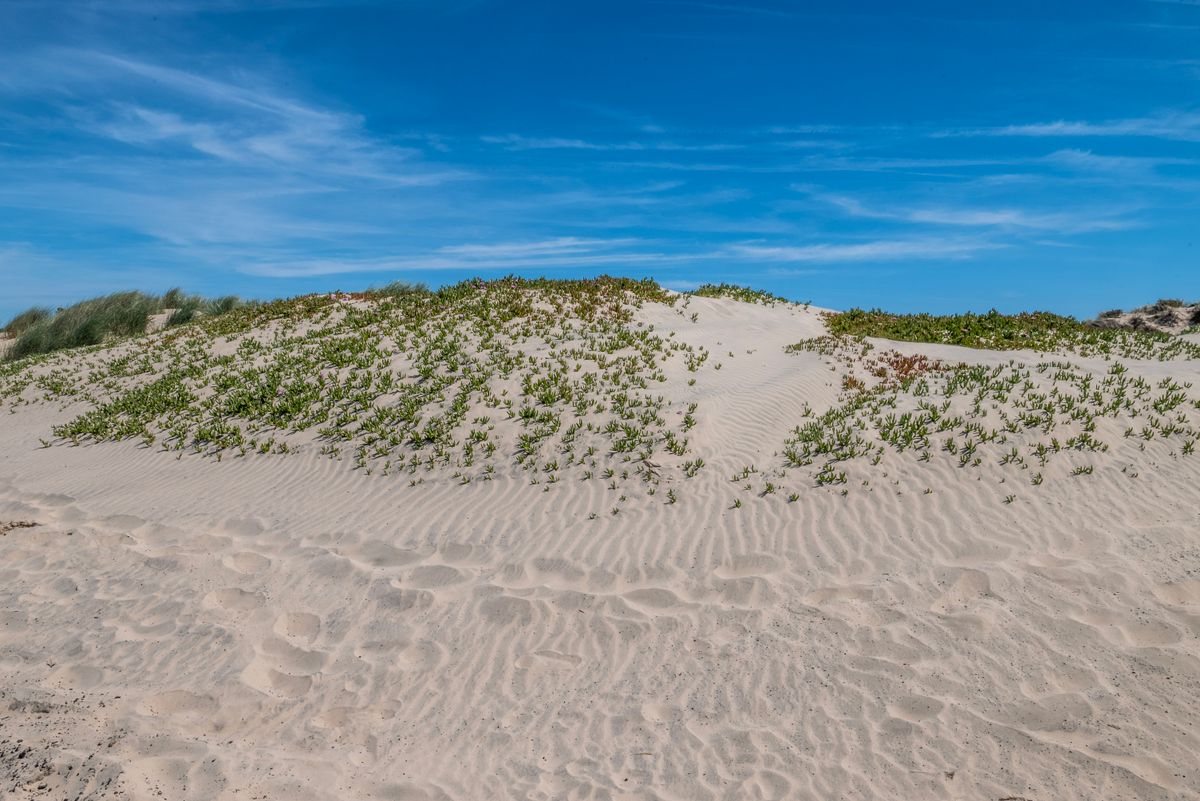
Los Osos — this is the coast these pages are about.
Quick answer: Emergency Tree Service in Los Osos, CA — Removing a tree is planning before it is cutting: where the wood lands, what is under it, whether a rope or a crane takes the weight, and what is left when the crew drives away. A removal is finished when the drop zone is clear and the stump is dealt with, not when the trunk hits the ground.
- Typical timing: When the tree is a hazard, the schedule is immediate — storm damage, split leaders and leaners do not wait for good weather.
- What it involves: A written plan for the drop zone, rigging or crane work over structures, protecting driveways and roofs, and deciding the stump’s fate in advance.
- The standard: The ANSI Z133 safety standard for arboricultural operations, and ISA best practice for removals near structures.
- Where we work: Small town lots, coastal acreage and the narrow properties of the Cambria pine belt.
- Our own record: 503 pages and 291 stories published on this site. Counted from our own archive, not a stock table.
Field note. What we see here is that access decides the price more than height does: a pine over a fence on a slope with no driveway costs more to take down safely than a taller tree with a clear drop, and the plan is where that shows up.
On the other hand, removal is not the only safe answer — a tree with one failing limb, or a lean that can be corrected by reduction, is often better kept and managed than gone.
The emergencies in Los Osos follow the same script every winter. Rain arrives on a south swell, the sand under every pine goes soft, and the first hard wind out of the northwest stands up the whole town's trees at once.
Pines that have leaned for years suddenly have nothing holding the root plate, and by morning one is across a driveway, one is resting on a roof, and a eucalyptus has dropped a limb across the power drop. When it happens at your address, the order of operations is simple: people and structures first, the tree second.
Before anything else, the safe answer
A storm-damaged tree is unstable in ways that are not obvious. A limb pinned under load stores energy, a trunk split at a fork can close on a saw, and a leaning pine may be held up by nothing but the limb resting on the roof. If a wire is involved, stay back and call the utility first — no tree crew should touch a conductor.
If you can leave the area and wait, wait; the tree has already done its damage and there is nothing to save by standing under it in the dark.
What we do when we arrive
Emergency work is not removal work on a fast clock. It is a sequence: assess what is holding what, release the load where releasing it cannot swing a piece into something worse, get the roof or the driveway clear enough to be usable, and leave the site stable enough to plan the rest by daylight. A tree on a house usually comes off in pieces from above, especially if the roof structure is still carrying part of the weight.
A tree across a drive on a sandy lot gets its load read first, because the root plate may still be moving.
Talk to us before you cut anything yourself. The instinct to clear the driveway with a chainsaw is how most storm injuries happen — a limb under tension does not behave like a limb on the ground, and the one cut that seems obvious is often the cut that releases everything. Our job in the first hour is make-safe, not make-pretty; the stumps and the full cleanup can wait for daylight and a plan.
What to have ready when you call
A good emergency call is short and concrete: the street address and the nearest cross street, what the tree is resting on, whether anyone is hurt, whether a wire is involved and where the tree meets the ground. If it is dark, meet the crew at the street with a flashlight rather than standing near the tree. Photos taken from a window save us a lap around the block.
And if the answer on the wire question is yes, the first call is to the utility, not to us — the tree can wait for the power to be handled, and nothing can be touched until it is.
(805) 927-4414The day after, and the decade after
Once the site is safe, the useful question is why this tree failed and whether its neighbors will do the same. On a street where one pine went over in saturated sand, the pines around it share the soil, the exposure and often the same shallow root plate — a walk down the block after a storm tells you more about your own risk than any website can.
If our answer is that the next tree needs to come down before the next front, that is a normal conversation with a normal price, not an emergency premium. If the tree can be saved with a reduction cut and a cable, we will say that instead. The follow-up scheduling happens in daylight, with the same crew that did the storm call: see our tree removal work for what planned removals look like after an emergency.
Questions, quotes, or just exploring — we’re here to help.