



Lifting the Canopy Off the Roof and the Road
Crown Raising in Los Osos, CA
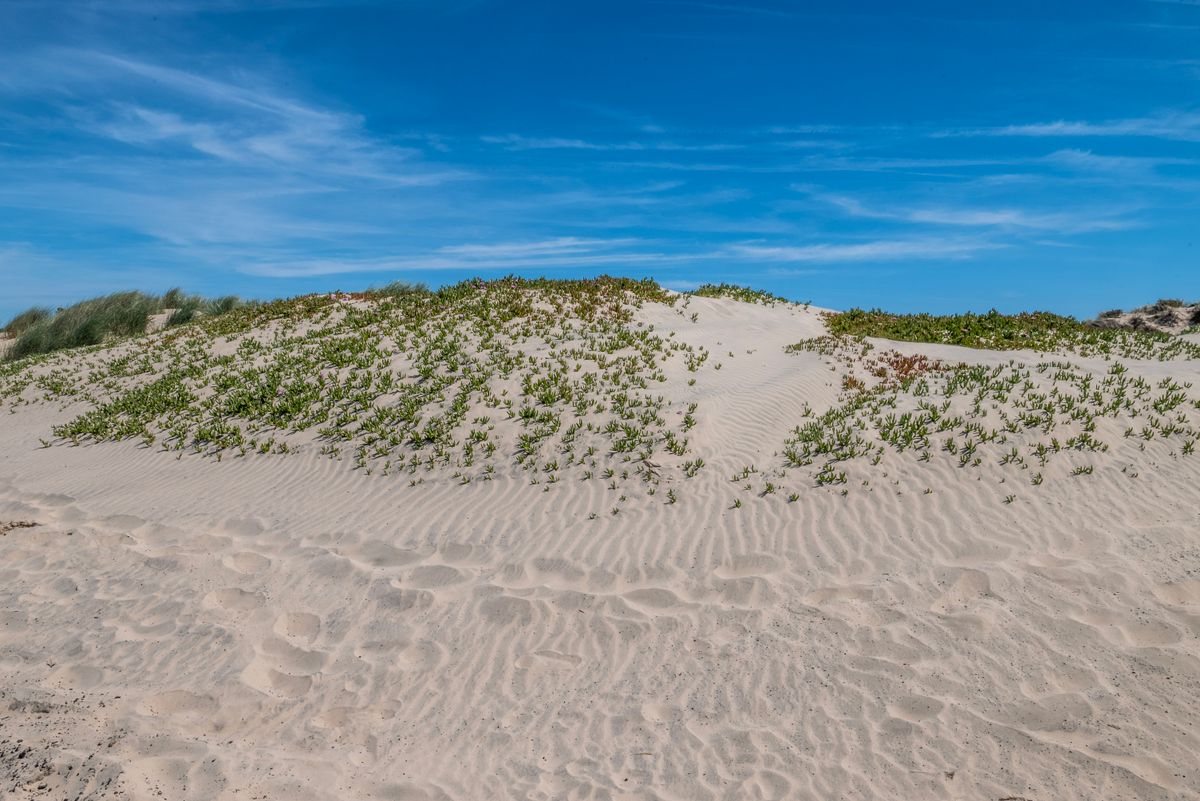
Los Osos — this is the coast these pages are about.
Quick answer: Crown Raising in Los Osos, CA — Pruning is a plan before it is a cut: deadwood and broken limbs first, then clearance from roofs, wires and paths, then the structure the tree will carry for the next decade. The right cut heals and the wrong one invites decay, which is why the order matters more than the number of cuts.
- Typical timing: Structural work in the dormant months, light clearance and deadwood any time the tree is not under stress.
- What it involves: Removing dead and crossing limbs, thinning to let light through, lifting low limbs for clearance, and never topping a tree.
- The standard: The ANSI A300 pruning standard as applied by ISA-certified arborists — including the three-cut method on every limb worth saving.
- Where we work: Cambria, San Simeon, Cayucos, Morro Bay, Los Osos and the towns between.
- Our own record: 503 pages and 291 stories published on this site. Counted from our own archive, not a stock table.
Field note. What we see on this coast is a pruning calendar that does not match the inland one: salt air, fog and wind mean a cut that would be minor in the valley can be the one that opens a crown to decay here, so we look at the species and the exposure before the season.
On the other hand, not every tree wants to be pruned: leaving a healthy canopy alone is a decision that pays, and a tree with plenty of space is often better served by doing nothing.
Walk the older streets of Baywood and you can see where crown raising has been done well and where it has been done greedily. The bottom limbs of a mature pine tell the whole story: lift them cleanly and the tree keeps a long, well-fed crown well above head height. Strip everything below twelve feet and you have taken more than half the tree's food factory to solve a headroom problem.
What Raising Actually Removes
Crown raising, or canopy lifting, removes the lowest branches on the trunk for vertical clearance. It is the most straightforward pruning operation there is, and the one most often overdone, because the visual result of taking one more branch is always tempting and the cost of it is invisible for years.
The Limit That Matters
A tree needs its lower limbs. They are often the longest and most productive, and removing too many of them leaves a tree with a high, thin crown that cannot feed itself or damp the wind.
The working rule is that the live crown should stay a large majority of the trunk height — taking more than roughly the bottom third off a mature tree in one visit is over-lifting, and on a pine on dune sand it also raises the centre of wind pressure on a tree that would rather have been left alone.
The Clearances People Actually Need Here
- Roof and eaves — enough gap that a limb is not abrading shingles in a blow, and that gutters stay clear.
- The chimney and the flue, which is a fire matter and has its own page: chimney and roof clearance.
- Driveways and parking, where the clearance is set by what parks there — a car needs far less than a delivery truck or a motorhome.
- Sightlines at a driveway mouth or a road bend, which is the one case where the clearance is for someone other than the owner. See roadway and right-of-way clearance.
- Walking and mowing space under the canopy, the everyday reason most raising gets done.
Raising Versus Defensible Space
These two get confused constantly. Raising for clearance is about access and abrasion — doors, roofs, sightlines, mower decks. Limbing up for fire protection is about breaking the vertical ladder of fuel from the ground into the crown, which is a different height, a different amount, and a decision made against a fire zone rather than a driveway.
On a parcel in the county's fire-hazard area both can be true of the same tree, but they are scoped separately. Ladder fuel and brush removal covers the fire half.
Getting It Right the First Time
Because the cut is permanent, the amount is the decision. We lift to the clearance you actually need and not to the highest number that looks impressive in a photograph, and we cut to the branch collar so the tree can close the wound. If a lower limb is worth keeping for the crown's sake, we will say so and find the clearance another way.
Tell us what needs to pass under the tree and send a photograph from the side. Call (805) 927-4414 or use the contact page, and start at our Los Osos page.
Questions, quotes, or just exploring — we’re here to help.