

The Report a Buyer or Lender Asks For
Arborist Report for a Sale in Los Osos, CA
Los Osos — this is the coast these pages are about.
Quick answer: Arborist Report for a Sale in Los Osos, CA — The crew that answers the phone is the crew that climbs the tree: locally based, insured, and working to the industry standards rather than to whatever the last job allowed. That matters most where the work is delicate — over a roof, beside a wire, or on a slope where the wood has to be lowered rather than dropped.
- Credentials: ISA-certified arborists; licensed and insured for work over structures and near utilities.
- The standard: ANSI A300 for pruning and ANSI Z133 for safety on every job.
- Where we work: Cambria, San Simeon, Harmony, Cayucos, Morro Bay, Los Osos and the surrounding county.
- How we quote: A site visit and a written, line-by-line quote before any work is booked.
- Our own record: 503 pages and 291 stories published on this site. Counted from our own archive, not a stock table.
Field note. What we see is that the questions worth asking are the same on every property: who is climbing, what happens to the wood, and what the tree looks like in five years — so we answer those before we talk about dates.
On the other hand, credentials are a floor rather than a guarantee: what a tree gets is the judgment of the person in it, which is why we keep the same small crew on this coast.
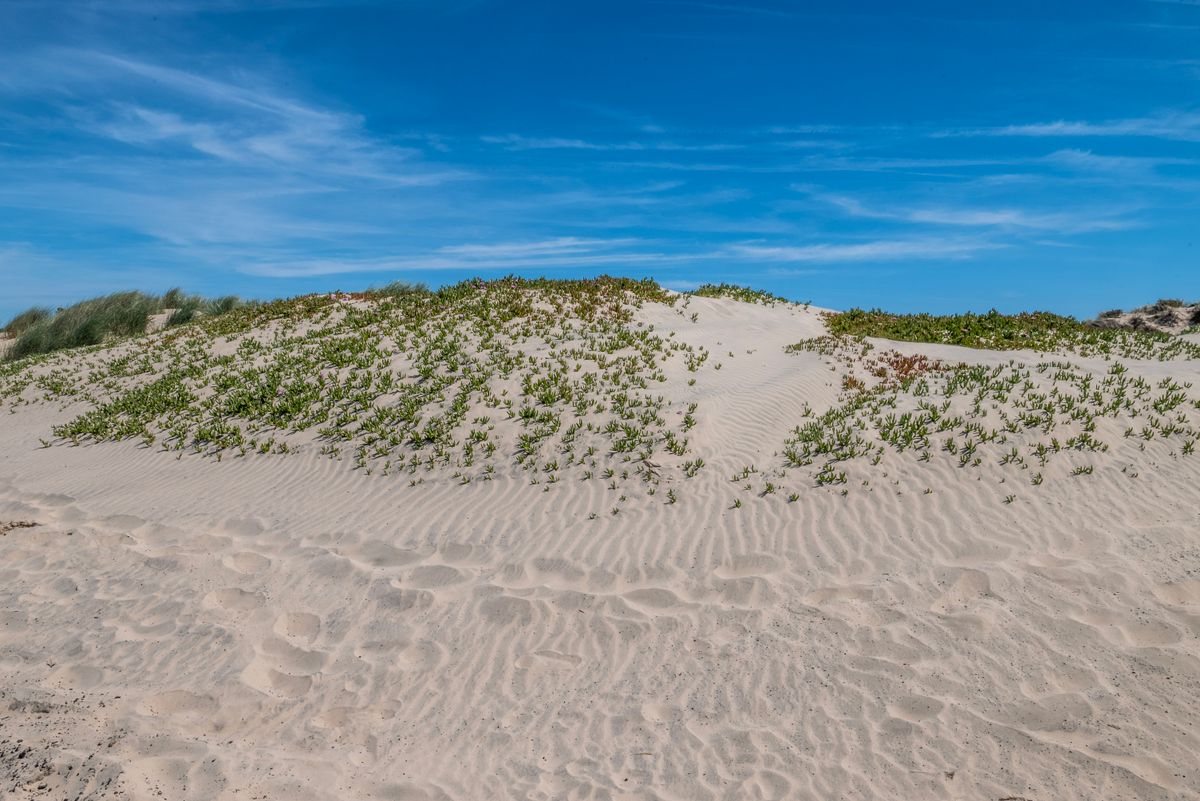
A Los Osos sale can turn on the trees. This is a town of mature pines on dune sand, a bay-side parcel with a windbreak doing real work, and buyers who have grown careful about what a beetle-killed pine over a roof actually costs. An arborist report for a property sale is the document that answers those questions in writing, before a lender or a buyer's inspector raises them.
Who Asks for It and Why
- A buyer, who wants to know what the tree over the garage is likely to do and what it will cost to make safe.
- A lender or an insurer, for whom a large tree with a structural defect is a risk on the file rather than a matter of taste.
- A realtor or a title question, where a protected species or a heritage tree can affect what may be removed after closing.
- An owner preparing to list, because a report obtained early is a much better negotiating position than a surprise discovered in escrow.
What the Report Actually Contains
A usable report names the tree, its species and size, its condition, and the defects found — with the ones that affect value or insurability called out specifically rather than buried. It states the method used and the limits of what a walk-by can see.
It identifies whether any tree on the parcel is a protected species, because that changes what the new owner will be allowed to do and is the single most common thing missed in a coastal sale. And it records any work recommended, with a priority, so the buyer can price it rather than guess.
It does not opine on the value of the property itself, on the purchase price, or on anything outside the trees. An arborist opinion on a real-estate transaction is about the condition and the risk of the trees, and a report that wanders into valuation or legal conclusions is a report a lawyer will pull apart.
Written for the Reader, Not the Crew
This is the difference between a report for a sale and a work order. The audience is a buyer, a lender or a title officer, and the language should be plain enough for all three: what is there, what is wrong with it, what it would take to fix, and how confident the writer is. Photographs with the defect marked are worth more than a paragraph of adjectives.
The Neighbouring Documents
Where a tree has a defensible dollar value — a big specimen, a casualty loss, a utility or neighbour dispute — the valuation is its own method and belongs in tree appraisal and value. Where the question is the safety of a specific tree in a specific spot rather than the transaction, that is tree risk assessment.
On a dune parcel, the health of the pines is usually the first thing a careful buyer raises: tree health diagnosis is where the cause of a decline gets named.
Tell us the closing timeline and which trees the buyer or the lender has flagged. Call (805) 927-4414 or use our contact page, and start at our Los Osos page.
Questions, quotes, or just exploring — we’re here to help.