

Tree Risk Assessment in Harmony, CA
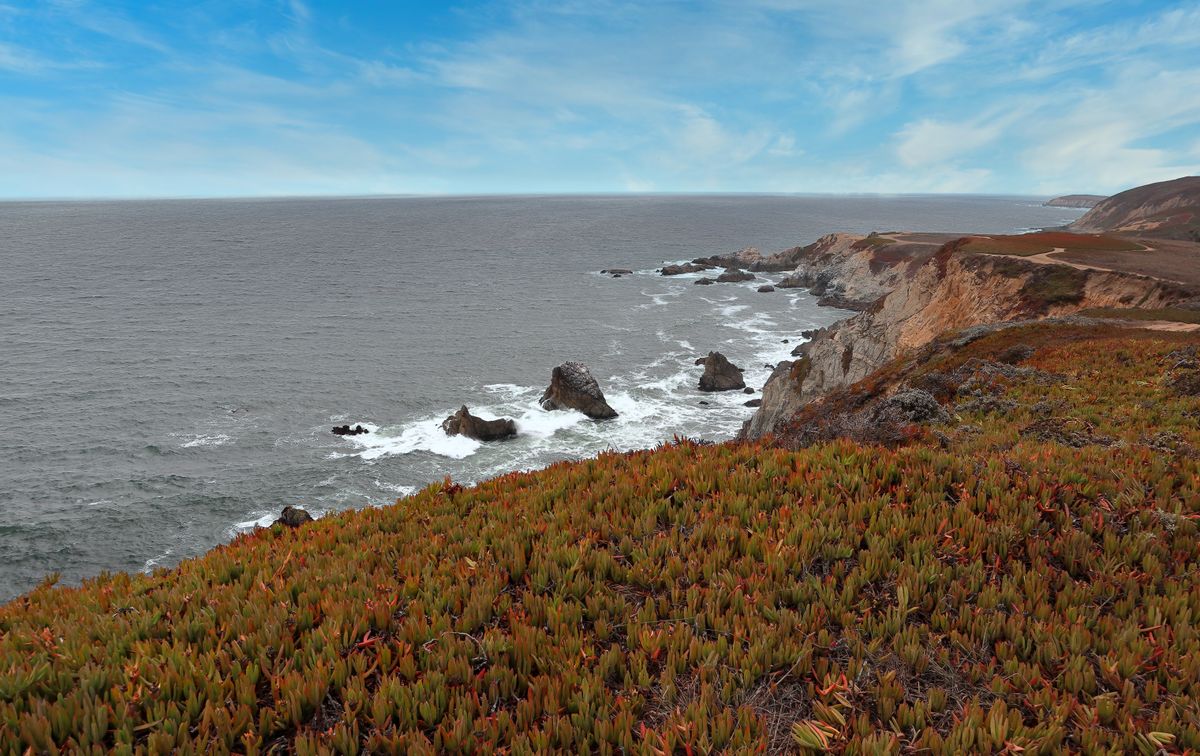
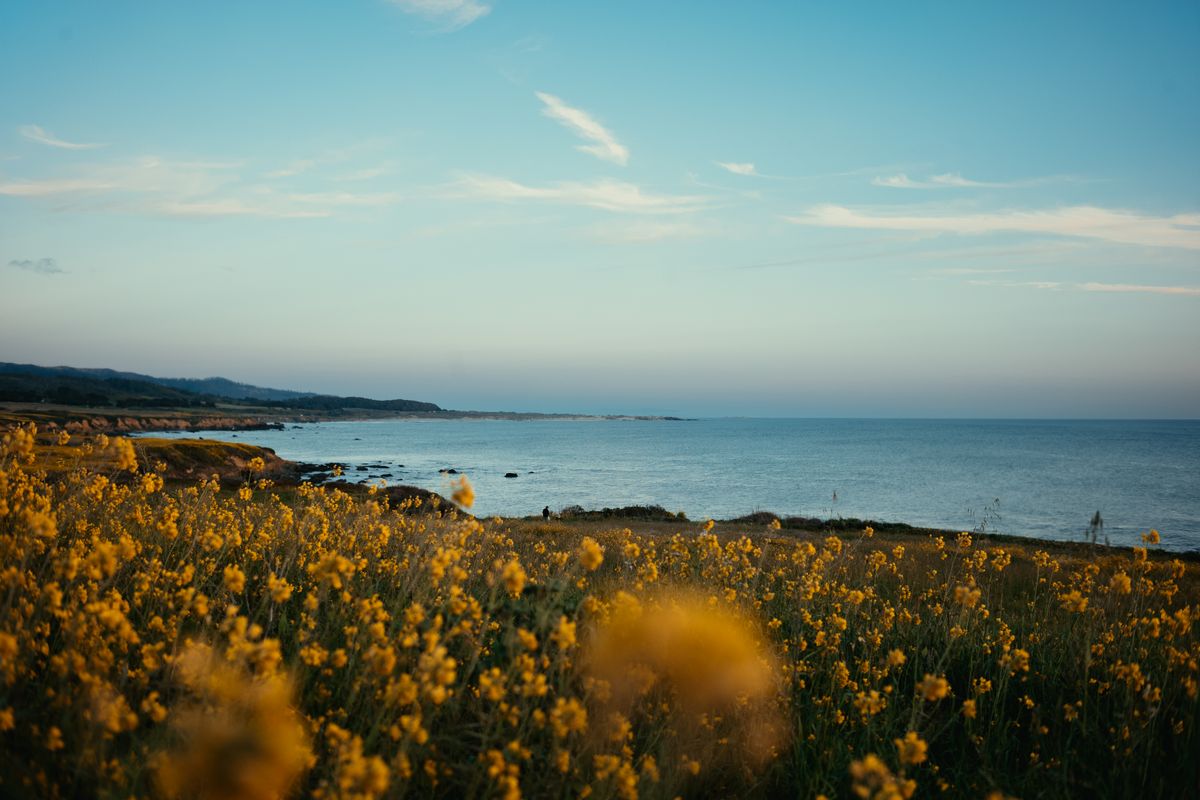
Harmony — this is the coast these pages are about.
Quick answer: Tree Risk Assessment in Harmony, CA — Trees on this coast live with fog, salt, wind and thin soil, and the work that keeps them healthy is decided by those conditions rather than by a calendar written inland. Structure, clearance and the root zone are what a tree here needs looked at, and small work done early is what keeps a tree out of the emergency list.
- What it involves: Structural pruning, clearance from structures and wires, deadwood removal, root-zone care and hazard assessment.
- Typical timing: Structural work in the dormant months; deadwood, clearance and hazard work whenever the tree needs it.
- The standard: The ISA standards for pruning and tree risk assessment, applied by ISA-certified arborists.
- Where we work: Cambria, San Simeon, Harmony, Cayucos, Morro Bay, Los Osos and the Cambria pine belt.
- Our own record: 503 pages and 291 stories published on this site. Counted from our own archive, not a stock table.
Field note. What we see on this coast is that the trees people worry about are usually not the ones in trouble: the pine with a clean crown and a lean that predates the house is often sounder than the tidy tree that has been quietly drowning in its own root zone.
On the other hand, there is no schedule that suits every tree — the same species on two sides of one street can need opposite care, which is why we look before we recommend.
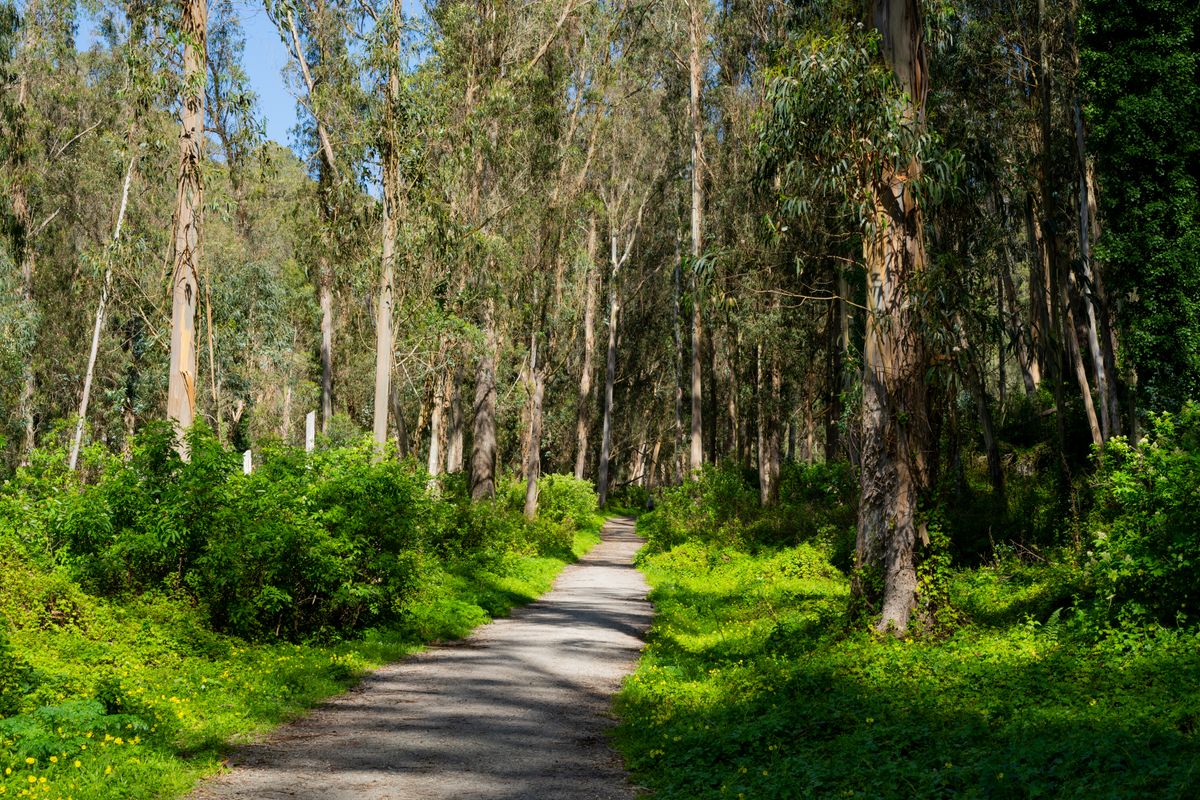
The risk question at Harmony is usually asked about something with a hundred years of history in it: the windrow across the lane, the cypress beside the old creamery, the eucalyptus that overhangs a parking area on a commercial parcel. These are trees nobody wants to lose and nobody wants to be under in a storm, and the two impulses are both reasonable.
What resolves them is not a stronger opinion but a structured one — a written assessment that separates what is known from what is feared, and puts a date on the action.
The structure, because it is what makes the answer usable
Target. What the tree would hit, and how often a person or a vehicle is actually there.
The lane to the barn, the terrace where people eat in summer, the highway frontage, the power drop — the same tree over these is four different problems. Likelihood of failure, over a stated period, based on what has been found: a hollow of a measured size in a butt of a measured diameter, a codominant union with included bark, a root plate on a bank that has been cut. Consequence: what it costs in safety, in property and in disruption.
The rating comes out of the three together, and it is the third one that keeps the report from being a liability exercise — a tree with a defect over a hay shed and the same tree over a walkway are not the same finding.
What the walk looks like on old windrow stock
Eucalyptus tells you very little from the crown, so the examination starts at the base and the fork. We measure the trunk, sound it with a mallet, and bore where the answer matters, because a hollow occupying a third of a cross-section in one direction is a different tree from the same hollow facing another way. The union between the main leaders gets a careful look for included bark and for any sign of opening.
The root plate gets read against the ground it is on: a creek bank, a cut lane, or ground that has been driven over for decades. And the whole tree is assessed in the context of the row, because a windrow tree whose neighbours have gone is loaded differently than one still sheltered — which is a change that happens gradually, after a removal, and about which nobody is ever formally told.
What you receive, and what it does not claim
A written assessment naming the tree, the target, the defects found, the likelihood and consequence ratings, and one recommended action with a date: reduce the west leader within twelve months, remove before the next wet season, brace with an annual inspection, or re-inspect after the winter. Where a tool was used to answer a specific question, the report says which question.
It is written so that another arborist could disagree with a line rather than with the whole document, which is exactly what makes it useful to an insurer, a lender, a partner or, occasionally, a court.
And it is honest about its limits. An assessment describes a living thing on one day. No arborist can warranty an old eucalyptus through a wet January and a sixty-mile-an-hour southerly — and any report that implies otherwise is selling something, not assessing it.
Field note — Clara Young puts the arithmetic on the page: what each option costs now, what it costs a year, and how long it buys before the question returns.
Questions, quotes, or just exploring — we’re here to help.