

The Tree That Outlives the Planting
Tree Planting & Installation in Harmony, CA
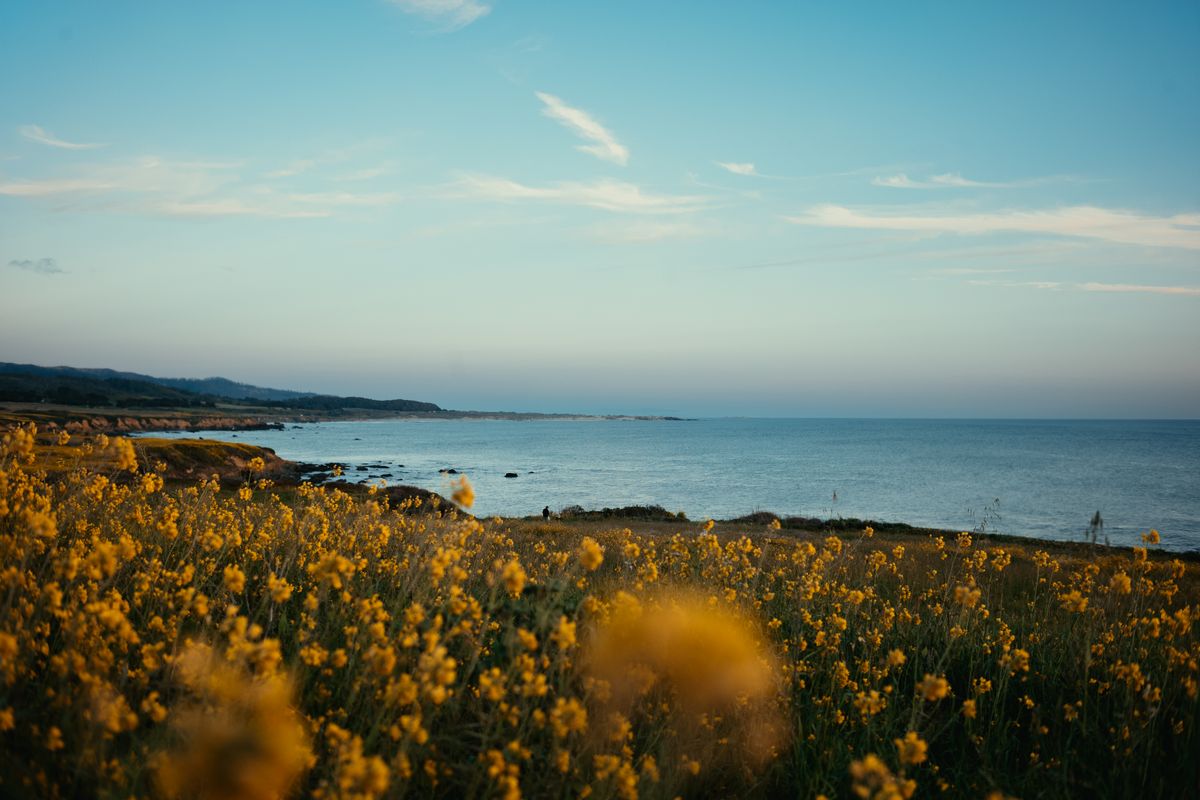
Harmony — this is the coast these pages are about.
Quick answer: Tree Planting & Installation in Harmony, CA — The tree that thrives here is the one chosen for this coast: fog, salt, wind and shallow soil are the local constraints, and mature size is the constraint most often ignored. Planting is a matter of putting the right species in a site that can hold it, then keeping the root flare visible and the first summers watered.
- Typical timing: Autumn planting, so winter rain does the establishment work; the first two summers decide the tree.
- What it involves: Matching mature canopy and root spread to the space, planting at the depth the tree grew in, and staking only when it is needed.
- The standard: Cal Poly’s SelecTree species data and university extension planting guidance.
- Where we work: Gardens and acreage from Cambria through Cayucos and Morro Bay.
- Our own record: 503 pages and 291 stories published on this site. Counted from our own archive, not a stock table.
Field note. What we see is that the coast is forgiving to the right species and unforgiving to the wrong one: the same tree that looks comfortable four streets in will burn on the windward side of a Cambria lot.
On the other hand, natives are not automatically the answer at every address — a species that belongs in the watershed can still be the wrong size for the garden it is standing in.
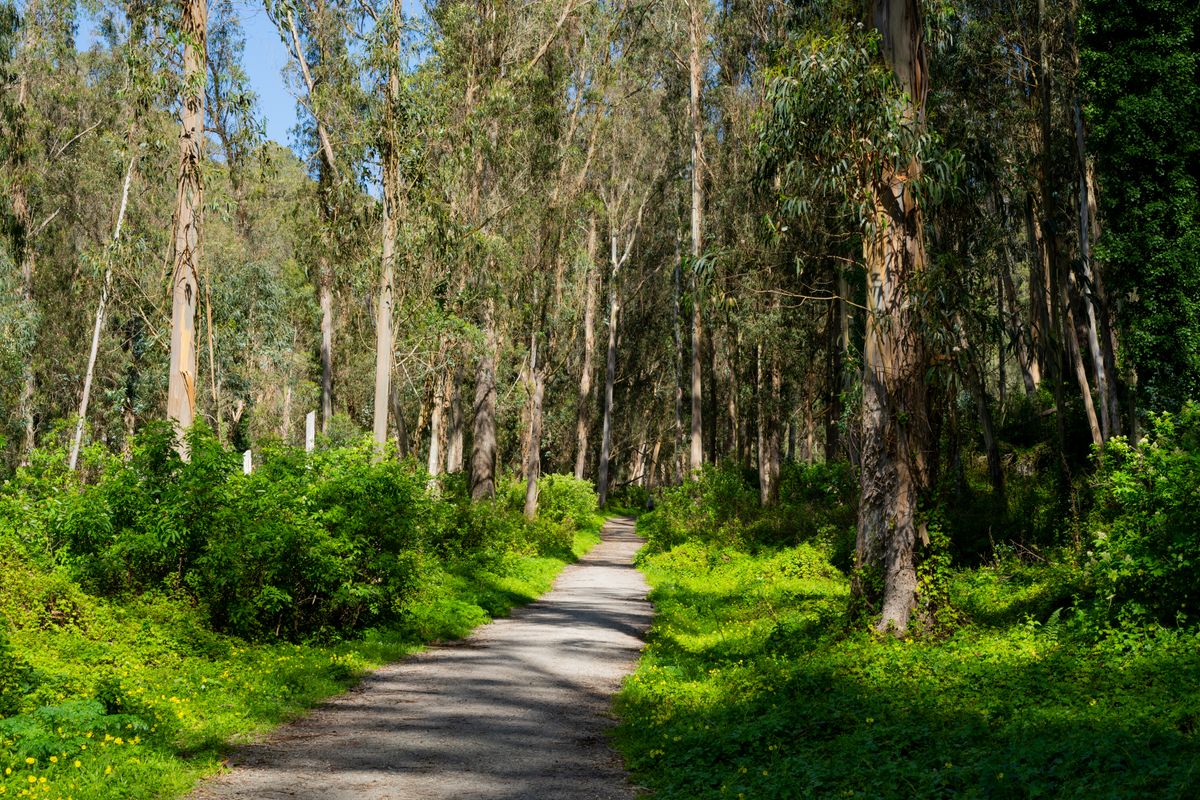
Planting a tree on a Harmony farm lot is a decision that will outlive the person making it — which is roughly what happened here the first time. The cypress that marks the lane and the eucalyptus windrows were put in by people who wanted a windbreak and shade and never saw them reach their size.
That is the standard to hold a new planting to: not whether it looks well in the nursery row, but whether it belongs on this ground in thirty years.
Choose against the site, not the catalogue
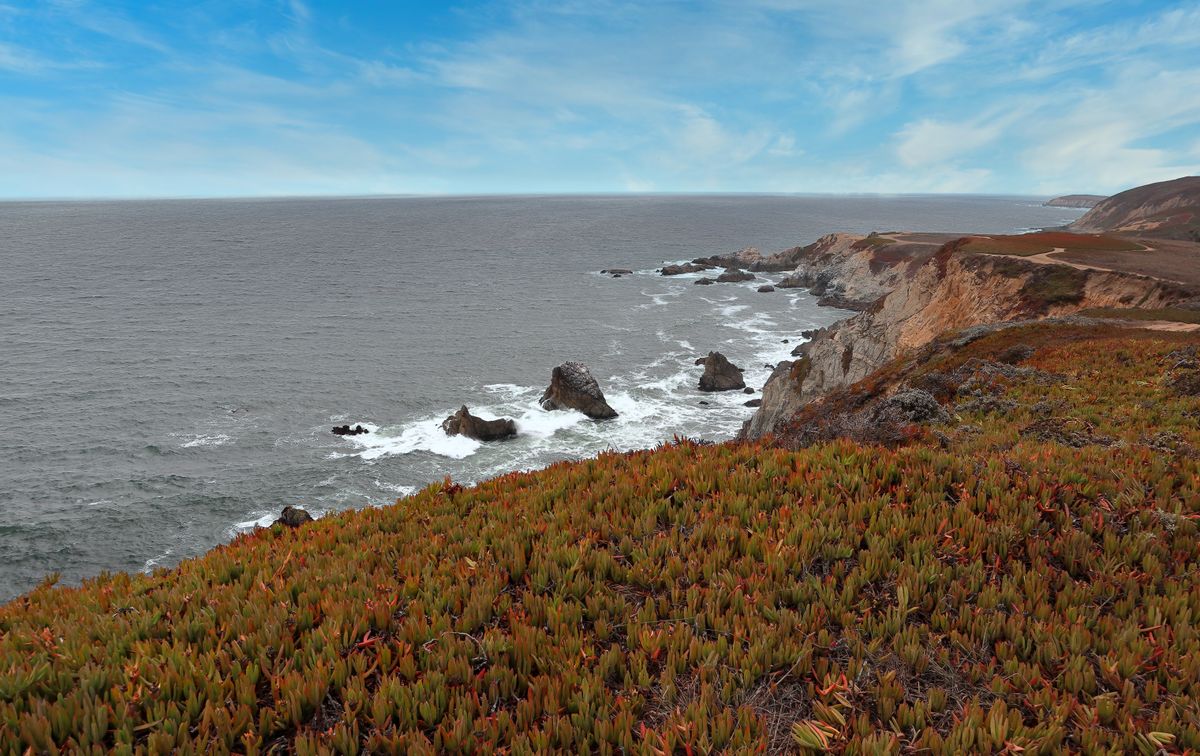
This stretch is salt-laden, windy and dry for half the year, with ground that drains fast and a fog belt that keeps summers milder than the inland towns. Monterey cypress and coast live oak suit that. Eucalyptus does too, which is exactly why it needs a position chosen with care: close to a building, a septic field or a power drop, a eucalyptus is a future removal rather than a future tree.
And anything being planted in the first band around a structure in fire country should be a low, fire-aware species, not a resinous one — the honest question is not just what will grow but what it will do in a wind-driven fire.
Where it goes, and what is under the ground
Overhead and buried services decide more plantings than taste does. On an old farm parcel the buried lines are often unrecorded, so a call before the dig is not optional, and the leach field, the water main and the drain runs are all found before a hole is dug. Then the spacing: the canopy the species reaches at maturity, set against the fence, the lane and the neighbour's light.
Stock, depth, and the two things that kill a new tree
We plant container stock and field-grown material, and we look for a single leader, a visible root flare, and a root ball that has not been circling the pot wall. The two failure modes are boringly consistent. Planting too deep — the flare buried by an inch of finish grade — and a staked tree left tied for years, which grows a thin trunk that fails when the ties come off.
So the tree goes in at the depth it grew, staked only where the wind demands it and only until it stands on its own, and mulched in a ring kept clear of the trunk.
The planting window, and why autumn wins here
On this coast the window that works is the one that gives a tree rain before it gives it heat. Planted into the autumn rain, a tree has the whole wet season to put out roots before the first dry summer asks anything of it; planted in spring, it has six weeks and then a five-month test it usually loses on terrace ground.
So the schedule is set by the weather rather than by when the hole is dug, and a tree delivered in June is a tree that sits heeled in until November. The one exception is the container stock that has been kept watered properly through the summer, which is workable if somebody is prepared to keep doing it.
The first three summers
Establishment on this ground is a two-to-three-summer job: deep, infrequent watering at the root zone through the dry months, and nothing under an existing oak. What we will say plainly is that a planting on ground that has not been prepared — compacted, filled, or sitting over a clay seam — will underperform no matter how good the tree is, and the ground work comes first. That is mulching and soil work rather than planting.
If you want a tree that will still be there in thirty years, call (805) 927-4414 and we will walk the site before recommending a species. See our services, the wider ground programme on the Harmony page, or the contact page.
Field note — Sofia Underwood asks what the tree is for before she asks what it is called, because shade, screen and windbreak want three different plants.
Questions, quotes, or just exploring — we’re here to help.