

A Number That Has to Hold
Tree Appraisal & Value in Harmony, CA
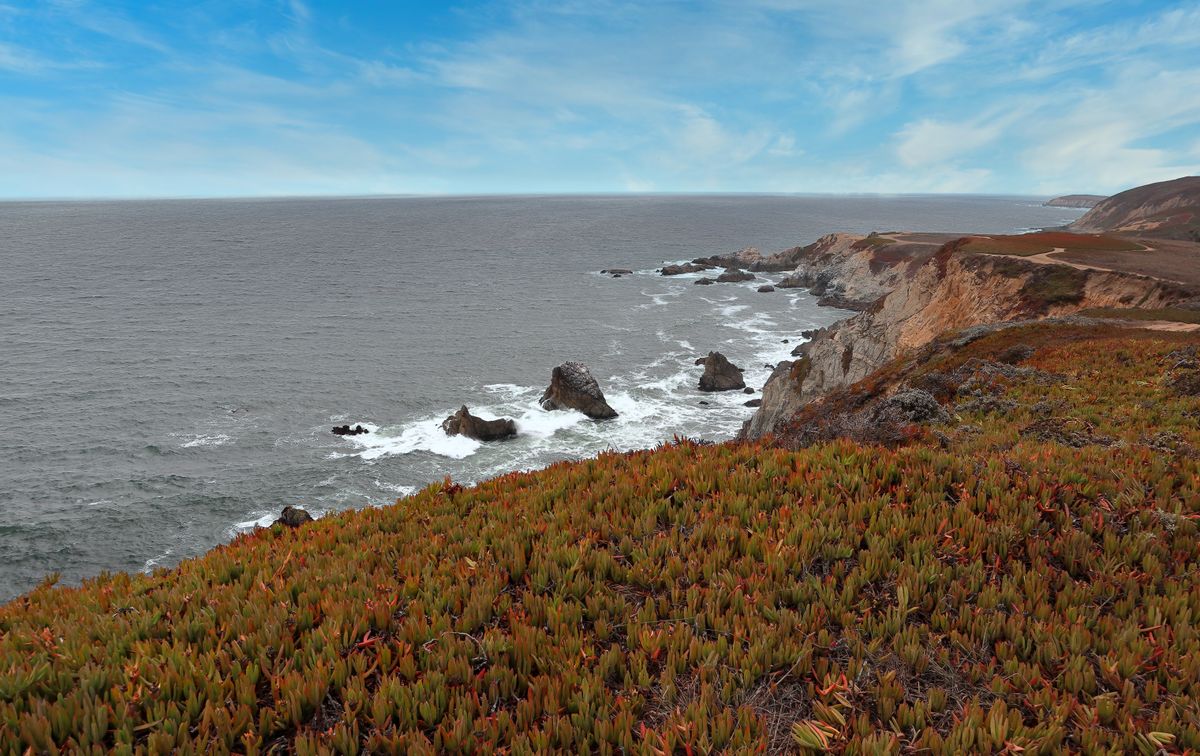
Harmony — this is the coast these pages are about.
Quick answer: Tree Appraisal & Value in Harmony, CA — Trees on this coast live with fog, salt, wind and thin soil, and the work that keeps them healthy is decided by those conditions rather than by a calendar written inland. Structure, clearance and the root zone are what a tree here needs looked at, and small work done early is what keeps a tree out of the emergency list.
- What it involves: Structural pruning, clearance from structures and wires, deadwood removal, root-zone care and hazard assessment.
- Typical timing: Structural work in the dormant months; deadwood, clearance and hazard work whenever the tree needs it.
- The standard: The ISA standards for pruning and tree risk assessment, applied by ISA-certified arborists.
- Where we work: Cambria, San Simeon, Harmony, Cayucos, Morro Bay, Los Osos and the Cambria pine belt.
- Our own record: 503 pages and 291 stories published on this site. Counted from our own archive, not a stock table.
Field note. What we see on this coast is that the trees people worry about are usually not the ones in trouble: the pine with a clean crown and a lean that predates the house is often sounder than the tidy tree that has been quietly drowning in its own root zone.
On the other hand, there is no schedule that suits every tree — the same species on two sides of one street can need opposite care, which is why we look before we recommend.
A tree appraisal in Harmony answers a question with a number attached, and the number has to be defensible because it will be read by somebody who would rather it were smaller — an insurer, a neighbour's carrier, a tax authority or a court.
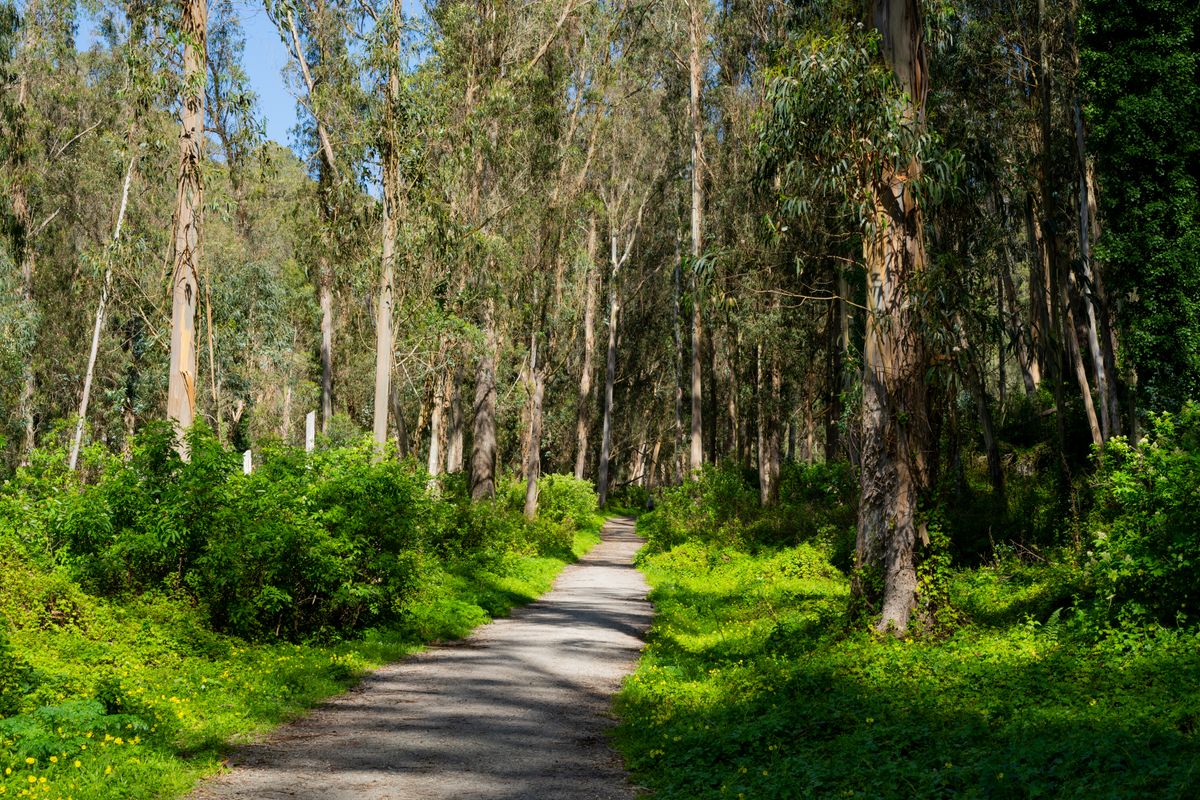
The trees that generate these jobs here are the old eucalyptus windrows and the specimen cypress, both of which are big enough that losing one is a real loss and both of which are hard to replace at the size they have reached.
The method has to be named
There is no honest appraisal without a stated method. The standard approach for an established landscape tree is the ISA trunk formula method, which builds a value from the trunk's cross-sectional area, a species rating, and multipliers for condition, site and location in the landscape. Replacement cost is used where a tree is small enough that an equivalent nursery stock tree can genuinely be bought and installed.
Naming the method and showing the inputs is what makes the figure survive scrutiny; a lump sum with no working is an opinion.
What the multipliers actually capture
Species rating reflects how well the species performs in the region — a coast live oak and a heritage cypress score well here, and a species that is out of place or short-lived scores poorly. Condition is the tree's health and structure, which is why a hazard assessment often travels with an appraisal.
Site and location cover how visible and how functional the tree is: a windbreak tree whose whole job is sheltering buildings scores differently from one in a field. Two trees of identical size on the same street can appraise very differently, and that is correct rather than arbitrary.
Where the numbers get used here
Four situations account for nearly all of it. Storm and neighbour damage, where a carrier wants to know what was destroyed and whether the tree was a known hazard. Utility damage, where a line crew's felling or a road project takes trees along a frontage and the question is compensation. Casualty-loss tax deduction, where a tree lost to an identifiable event is claimed as a loss. And estate or property-division work, where trees are part of what is being divided.
Why size and age make this coast different
A hundred-year-old eucalyptus that a single storm takes down cannot be replaced at that size at any price — there is no forty-metre nursery tree. That is precisely the situation the trunk formula method exists for, and it is why the appraisal work on these lots leans on it rather than on replacement cost. The same is true of a large cypress, which establishes slowly and transplants badly at any size.
What an appraisal is not
It is not a safety verdict and it is not a condition report for a sale, though it often uses both. It is also not a claim about what a tree is worth to the owner emotionally — sentiment is not appraisable, and a figure built on it will not hold.
If a tree has been damaged and a number is needed, call (805) 927-4414 or use the contact page before the evidence is cleared. Our services page has the wider picture.
Field note — Dr. Liam Zimmerman writes down the method and the inputs. An appraisal that cannot be reproduced by a second arborist is not an appraisal.
Questions, quotes, or just exploring — we’re here to help.