


Stump Grinding in Harmony, CA
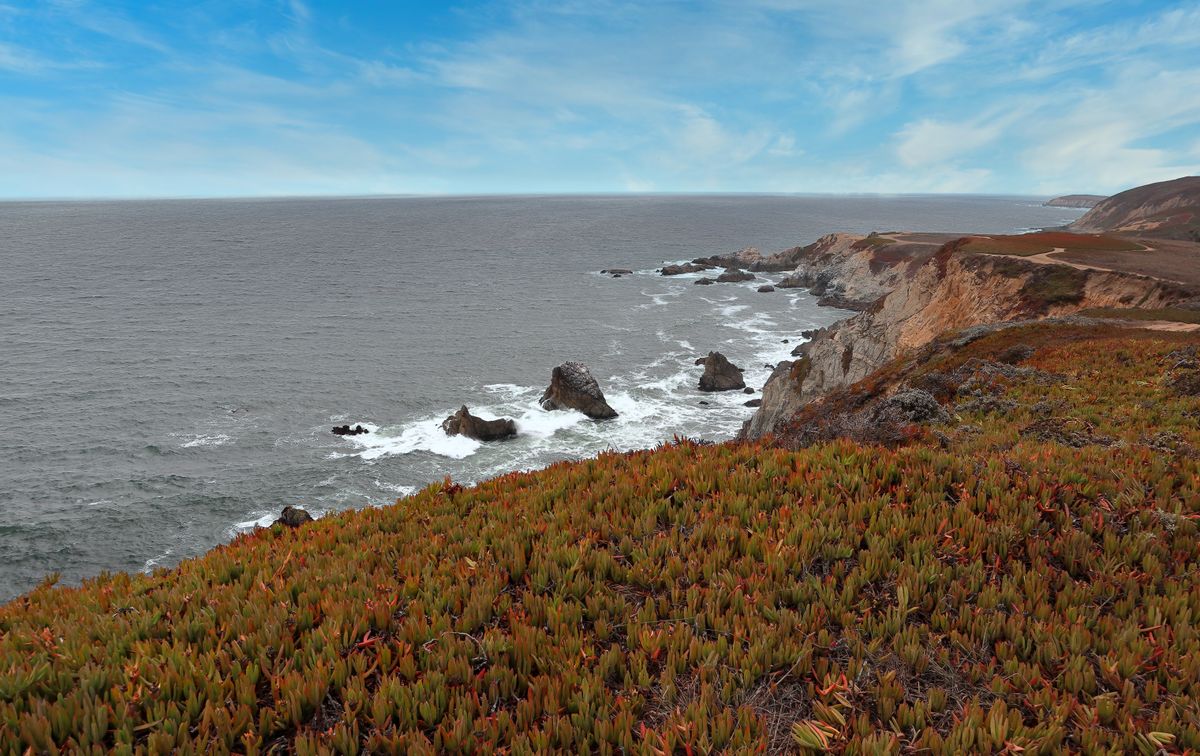
Harmony — this is the coast these pages are about.
Quick answer: Stump Grinding in Harmony, CA — A stump is the part of the problem that is still in the ground: it holds the roots that lift pavement, keeps a species alive if it re-sprouts, and occupies the spot where the next planting goes. Grinding removes it below the surface so the ground can be worked again, and the roots that matter are the ones under the driveway rather than the ones beside the trunk.
- Typical timing: Any month the ground is workable; rain-softened soil grinds fastest and leaves the cleanest spoil.
- What it involves: Assessing re-sprout risk by species, grinding below grade, raking the spoil back, and handling surface roots separately from the stump.
- The standard: ISA guidance on root cutting and the ANSI A300 pruning standard where roots and crown are worked together.
- Where we work: Cambria, San Simeon, Harmony, Cayucos, Morro Bay, Los Osos and the Cambria pine belt.
- Our own record: 503 pages and 291 stories published on this site. Counted from our own archive, not a stock table.
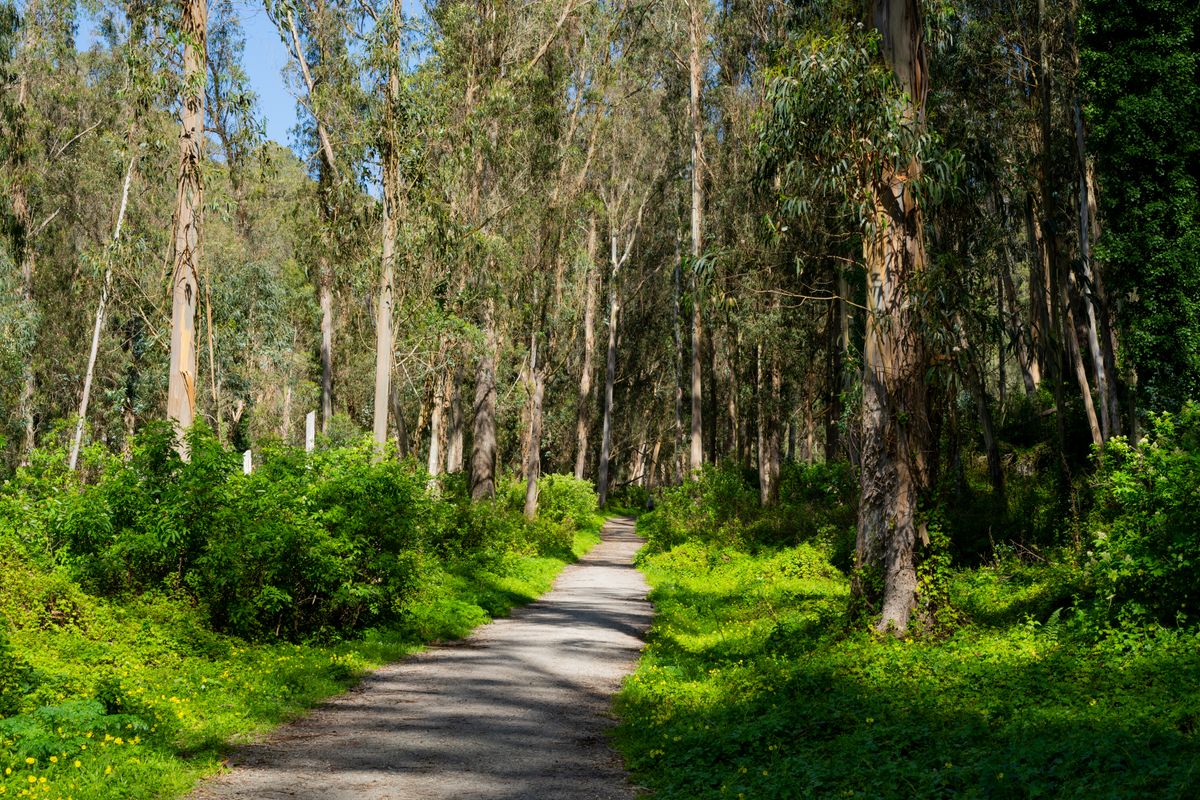
Field note. On this coast the stump is rarely the end of the job: Monterey pine and eucalyptus both keep enough energy in the roots to push new growth, so we are looking at the species before we quote the grind rather than after.
On the other hand, a stump left in a garden bed is sometimes the better answer — it decays, feeds the soil and costs nothing — so grinding is a choice, not a rule.
On a farm lot, a stump is an obstruction before it is an eyesore. It catches a mower blade, it trips a horse, it holds a fence post out of line, and in a pasture it stays a hazard long after the last trace of the tree has gone.
Harmony's terrace ground is deep and forgiving to grind — far friendlier than the adobe over in Atascadero — which means the job here is usually about doing it properly rather than about fighting the soil: deep enough that nothing will hit it, wide enough that the flare is gone, and clean enough that you can drive over the spot the following week.
Depth, width, and what the ground will be used for
The requirement depends on the use. In a pasture or along a lane, the minimum is a cut well below the deepest mower or truck wheel, with any remaining root butts taken low enough to be invisible under a grader. In a garden bed, deeper is better and the spoil needs to come out completely, because chips left in the hole become a soft lens that settles.
Where a new tree is going in the same place, we grind wider than the trunk suggests — the flare extends further than it looks, and planting into a partially ground stump is a way of losing a young tree's first three years.
The hole, closed so the ground behaves
We rake the grindings out and backfill with soil rather than with the chips, compact in shallow lifts, and crown the patch slightly so water drains off instead of pooling over a void. On terrace ground the main risk is not rock but settling: a hole filled in one go looks level and then drops, which is noticed immediately on a lane and two seasons later in a lawn.
The closing is the part of this job that people judge a year later, and it is the reason we treat the grind and the backfill as one task rather than two visits.
The wood, which is worth something here
Old eucalyptus trunk is excellent firewood once split and seasoned, and most properties out here have a woodpile with a space in it. We cut what you want into rounds and leave the stack where the trailer can reach it; grindings go on a garden as a top dressing once they have aged, or into the green waste. The one thing we do not do is burn a stump out.
On ground like this a fire can travel along a root under a fence line or a lane and surface days later, which is a fire on your own property with nobody there to see it — and it is also the wrong call in a fire-hazard season that now runs most of the year.
What to check before we arrive
Where the old well head is, where the septic runs, and whether the irrigation main to the far fields crosses the stump. On farm lots those are frequently unmarked and occasionally not on any drawing, so a few minutes of pointing and a cautious first pass with the grinder saves a repair that costs more than the job.
If the tree came out recently, tell us that too — the root system is still holding and the grind is easier and cheaper while the wood is green.
Field note — Ethan Reed writes for the person who will do the small jobs themselves: the depth is the whole job, the closing is what you will look at, and the replanting decision is made on the day, not later.
Questions, quotes, or just exploring — we’re here to help.