


Putting Back the Soil Under the Windrow
Soil & Root Zone Remediation in Harmony, CA
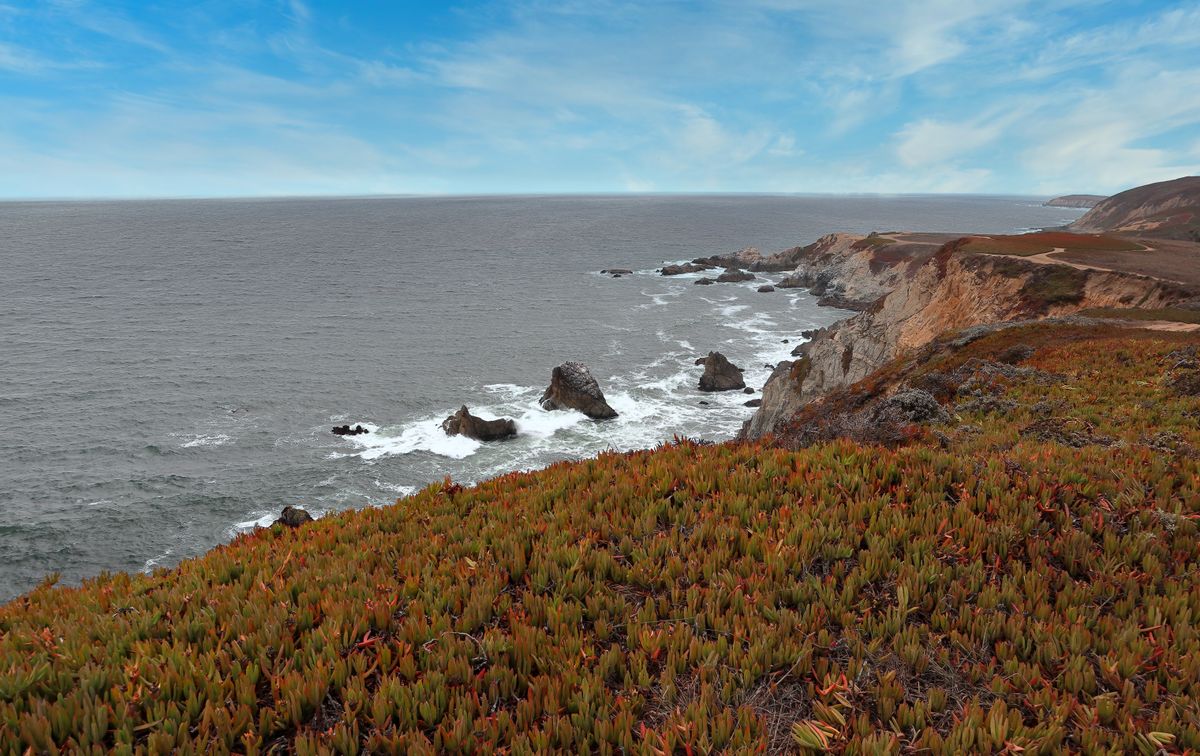
Harmony — this is the coast these pages are about.
Quick answer: Soil & Root Zone Remediation in Harmony, CA — A stump is the part of the problem that is still in the ground: it holds the roots that lift pavement, keeps a species alive if it re-sprouts, and occupies the spot where the next planting goes. Grinding removes it below the surface so the ground can be worked again, and the roots that matter are the ones under the driveway rather than the ones beside the trunk.
- Typical timing: Any month the ground is workable; rain-softened soil grinds fastest and leaves the cleanest spoil.
- What it involves: Assessing re-sprout risk by species, grinding below grade, raking the spoil back, and handling surface roots separately from the stump.
- The standard: ISA guidance on root cutting and the ANSI A300 pruning standard where roots and crown are worked together.
- Where we work: Cambria, San Simeon, Harmony, Cayucos, Morro Bay, Los Osos and the Cambria pine belt.
- Our own record: 503 pages and 291 stories published on this site. Counted from our own archive, not a stock table.
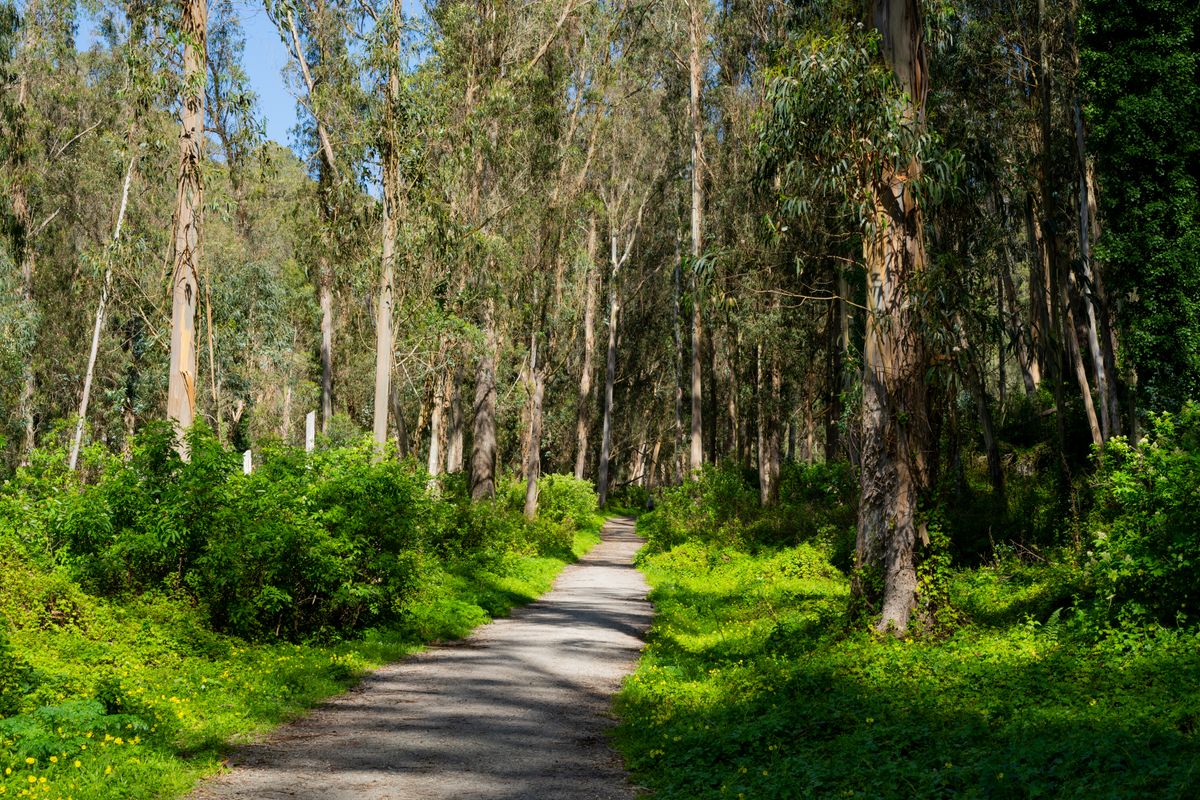
Field note. On this coast the stump is rarely the end of the job: Monterey pine and eucalyptus both keep enough energy in the roots to push new growth, so we are looking at the species before we quote the grind rather than after.
On the other hand, a stump left in a garden bed is sometimes the better answer — it decays, feeds the soil and costs nothing — so grinding is a choice, not a rule.
The trees on Harmony's farm lots have been walked on, driven over and graded around for a hundred years, and the ground under them has paid for it.
Compaction from decades of tractor traffic, fill pushed over a root flare when a lane was built, a former parking apron that is still compacted under a thin skin of grass — the tree above is often in reasonable condition while the twenty centimetres below it is the reason it is declining. Remediation is the work of putting that soil back.
What compaction actually costs a tree
Roots need air as much as water. When the pore space in soil is squeezed out, the fine absorbing roots die back, water stops moving down and sits instead at the surface, and the tree survives on a smaller root system than its canopy suggests.
The visible result is slow: a crown that thins a little each year, a shorter annual extension, small leaves, and a tree that looks tired rather than sick. Nothing dramatic happens, which is exactly why it goes unaddressed for a decade.
Reading the site before touching the soil
We start by finding the root flare, because on a farm parcel it is often buried — fill added around a tree that was planted when it was a sapling.
A flare that cannot be felt means the tree is planted too deep and has been for decades, and the first job is not decompaction at all but removing the material that should never have been there. Where the flare is visible and the soil is simply tight, the treatment is mechanical.
Air spading and radial trenching, honestly described
Air moves soil without cutting roots: a spade driven by compressed air loosens the compacted layer and can lift excess fill away from a flare while leaving the roots intact. Where the tight zone is broad, radial trenches are cut outward from the trunk and backfilled with a coarse, structure-building mix, which gives roots a route out of the compacted layer and reconnects them with the soil beyond it. Neither is instant.
A mature eucalyptus responds over two or three seasons, and the work is judged by next year's extension growth, not by the day it is done.
Limits, and the honest refusal
There is a point at which the ground has been altered too much to bring back: a root plate cut on two sides by a foundation and a sewer trench, under a tree that is also leaning, is a risk question rather than a soil question.
Where the remedy would cost more than the tree is worth, or where the tree has become unstable, we say so and stop. Soil work on a structurally compromised tree is money spent on the wrong problem.
Finishing with mulch, and keeping it right
The last step is a coarse mulch ring over the treated zone, wide and shallow, kept clear of the trunk rather than mounded against it. Fresh chips are fine here and the material is local — see wood chip mulch delivery if you want more than a job produces. The work sits alongside the rest of the ground programme on the Harmony page.
If a tree has been thinning for years over ground that has been driven on, call (805) 927-4414 and we will open the soil and look. See our services or the contact page.
Field note — Sofia Underwood digs with her hands before she quotes, because half the trees she is called to look at are buried up to the flare.
Questions, quotes, or just exploring — we’re here to help.