

Bringing the Cover Back After Clearing
Revegetation & Native Planting in Harmony, CA
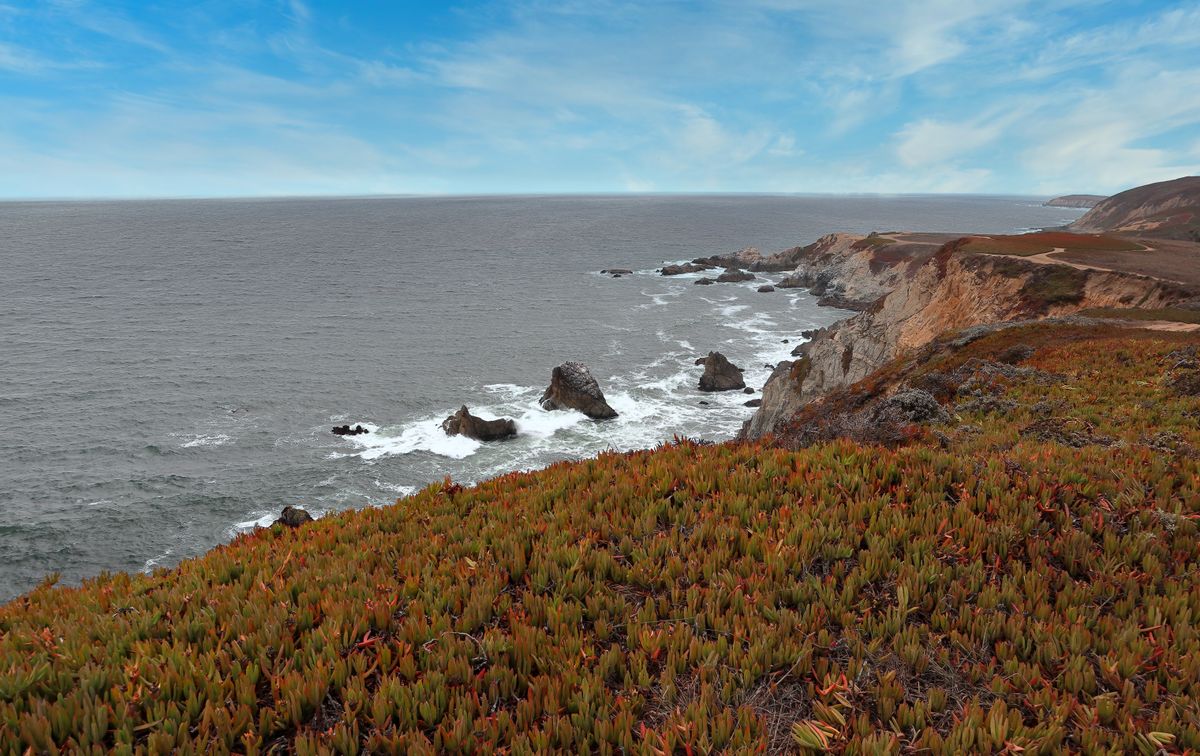
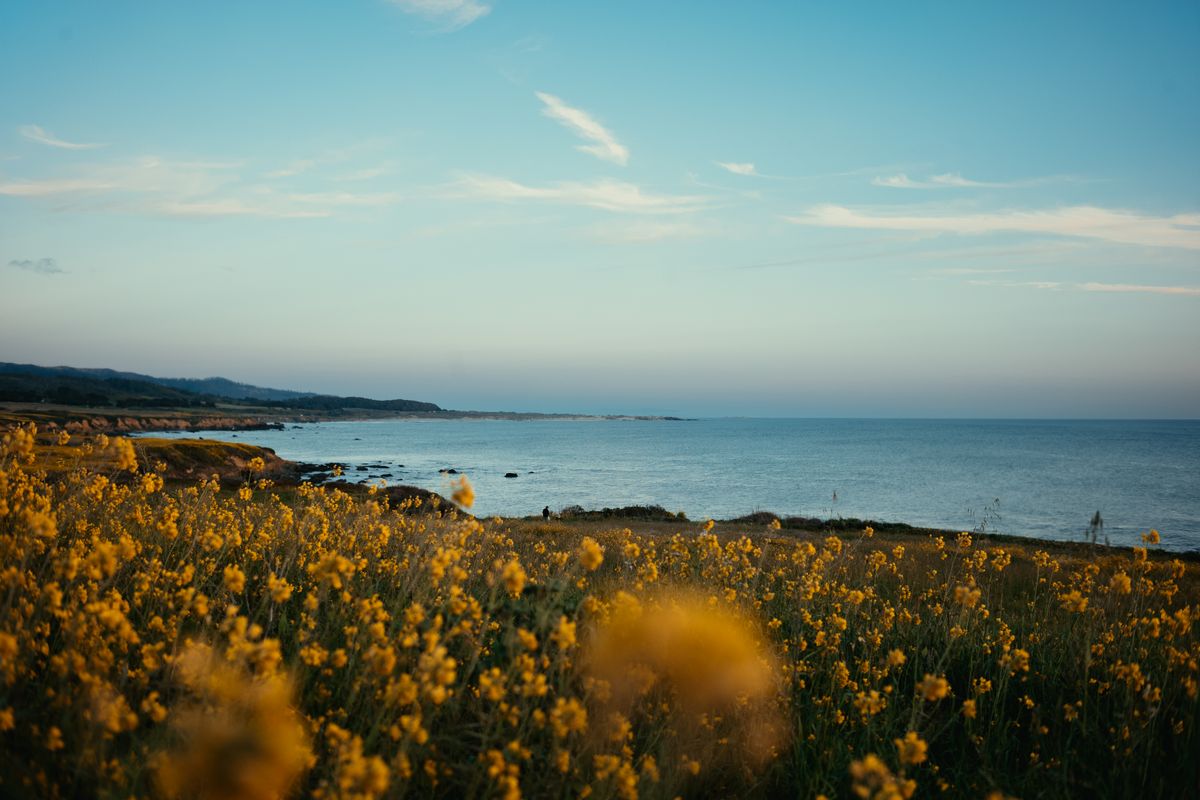
Harmony — this is the coast these pages are about.
Quick answer: Revegetation & Native Planting in Harmony, CA — The tree that thrives here is the one chosen for this coast: fog, salt, wind and shallow soil are the local constraints, and mature size is the constraint most often ignored. Planting is a matter of putting the right species in a site that can hold it, then keeping the root flare visible and the first summers watered.
- Typical timing: Autumn planting, so winter rain does the establishment work; the first two summers decide the tree.
- What it involves: Matching mature canopy and root spread to the space, planting at the depth the tree grew in, and staking only when it is needed.
- The standard: Cal Poly’s SelecTree species data and university extension planting guidance.
- Where we work: Gardens and acreage from Cambria through Cayucos and Morro Bay.
- Our own record: 503 pages and 291 stories published on this site. Counted from our own archive, not a stock table.
Field note. What we see is that the coast is forgiving to the right species and unforgiving to the wrong one: the same tree that looks comfortable four streets in will burn on the windward side of a Cambria lot.
On the other hand, natives are not automatically the answer at every address — a species that belongs in the watershed can still be the wrong size for the garden it is standing in.
Ground on a Harmony parcel goes bare for three reasons: it was cleared for fuel reduction, it was graded for a building or a lane, or it burned. In each case the surface is left without the cover that was holding it, and the first winter after is when the soil leaves. Revegetation is the work of getting that cover back with plants that belong here, so the ground holds itself instead of needing to be held.
What actually grows on this terrace
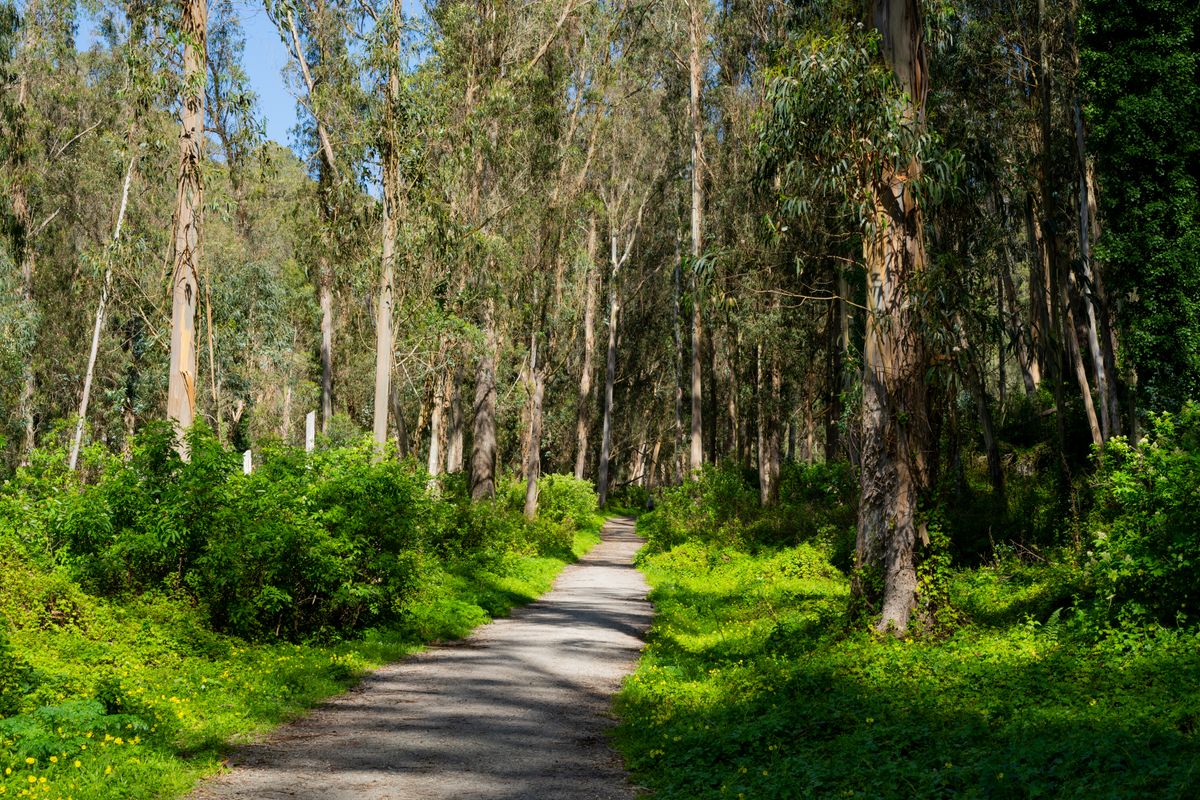
The plant list for this stretch of coast is short and it is not the same as the inland list. Salt spray, wind, fog and six dry months narrow it fast: coast live oak, toyon, California sagebrush, coyote brush, coffeeberry, and on the wetter ground near the creek, sycamore and willow.
Grasses and forbs for surface cover are best kept local too — a native bunchgrass mix establishes differently from an annual cover crop and, once in, comes back on its own, which is the point of revegetation rather than hydroseeding an annual.
Hydroseed, container stock, or just let it come back
Each has a place. Broadcast or hydroseeded native seed is the cheapest cover for a large area of gentle ground and works best in autumn, ahead of the rain. Container stock is what gets a bank or a creek edge established reliably, because a plant that starts with roots beats a seed that has to survive a dry spring.
And on this ground the third option is real: fenced off from stock and traffic, a terrace parcel often comes back by itself from the seed bank within two seasons — an outcome worth waiting for, because it is the vegetation that was already suited to the site.
The water question, and the oak exception
New planting on this ground needs help through the first two summers, which means watering at the root zone and not against the stems. What it must not mean is irrigating the ground under a mature oak, where summer water invites root disease and works against the dormancy the tree depends on. Where new plants sit inside an oak's root zone, the plan is a wider spacing, no irrigation, and mulch instead of water.
Cover that does not fight the trees
Revegetation on a wooded parcel has to respect what is already growing. Cover species that climb or that crowd the base of retained trees create a fuel ladder and a competition problem at the same time, so low, clumping and fire-aware species are the ones to use near trees, and the taller shrub work belongs further out. What it should never be is a monoculture of one fast-growing species chosen for how quickly it looks green.
Doing it once, properly
The failures here are almost always timing and aftercare rather than species: seed broadcast in spring, stock planted into dry ground with no follow-up water, or a site reopened to machinery in the first season. Getting the sequence right — ground prepared, planted into the rain window, kept clear of traffic for one season — is most of the result. The fuel-reduction side lives on the ladder fuel page, and the material question on wood chip delivery.
If you have bare ground that is moving, call (805) 927-4414 and we will look at what the site wants to grow. See our services or use the contact page.
Field note — Sofia Underwood plants in the rain window and then leaves the site alone, because the most common failure is a good planting trampled in its first spring.
Questions, quotes, or just exploring — we’re here to help.