


Making a Storm Claim Findable in the Tree
Insurance Claim Documentation in Harmony, CA
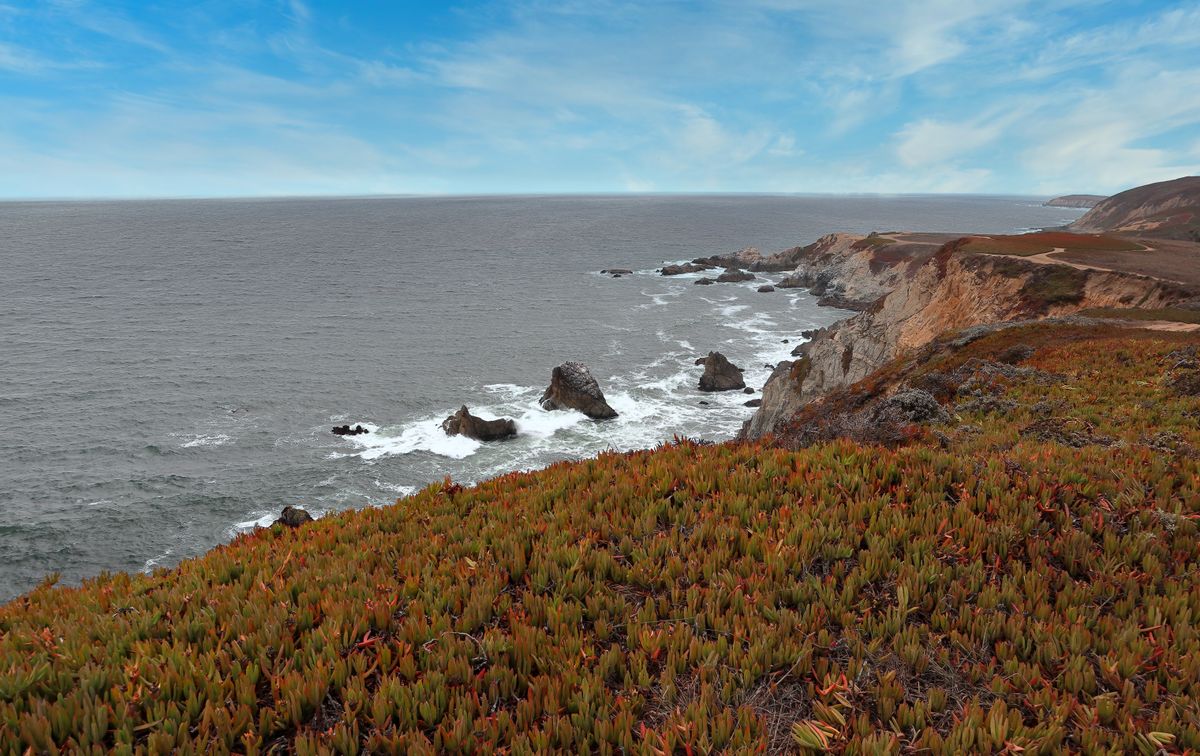
Harmony — this is the coast these pages are about.
Quick answer: Insurance Claim Documentation in Harmony, CA — Removing a tree is planning before it is cutting: where the wood lands, what is under it, whether a rope or a crane takes the weight, and what is left when the crew drives away. A removal is finished when the drop zone is clear and the stump is dealt with, not when the trunk hits the ground.
- Typical timing: When the tree is a hazard, the schedule is immediate — storm damage, split leaders and leaners do not wait for good weather.
- What it involves: A written plan for the drop zone, rigging or crane work over structures, protecting driveways and roofs, and deciding the stump’s fate in advance.
- The standard: The ANSI Z133 safety standard for arboricultural operations, and ISA best practice for removals near structures.
- Where we work: Small town lots, coastal acreage and the narrow properties of the Cambria pine belt.
- Our own record: 503 pages and 291 stories published on this site. Counted from our own archive, not a stock table.
Field note. What we see here is that access decides the price more than height does: a pine over a fence on a slope with no driveway costs more to take down safely than a taller tree with a clear drop, and the plan is where that shows up.
On the other hand, removal is not the only safe answer — a tree with one failing limb, or a lean that can be corrected by reduction, is often better kept and managed than gone.
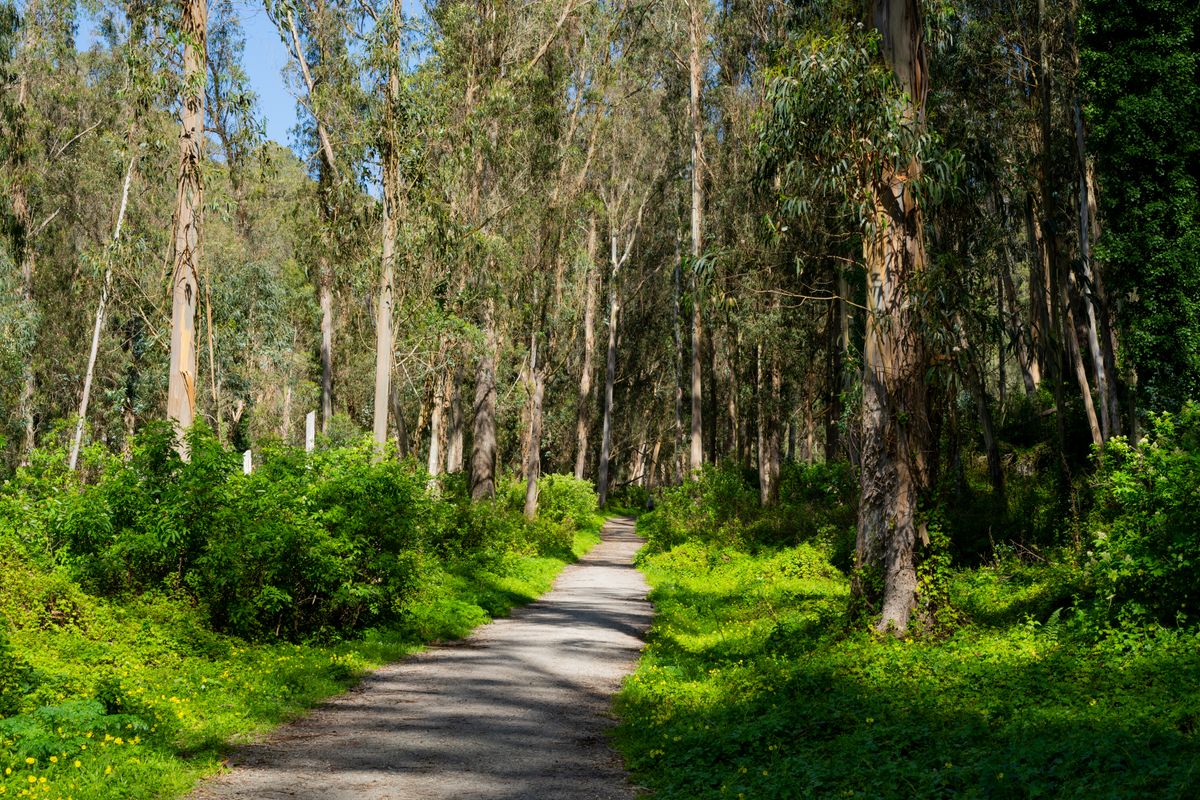
On a Harmony farm lot a tree claim is almost never about the tree. The January gale takes a eucalyptus out of an old windrow and it lands on a fence, a water line, the corner of a barn, and the argument afterwards is whether that tree was a known problem or an act of weather.
Documentation is the whole of that argument, and it is written on the day of the work or it is worth very little — a photograph taken a fortnight later, after the wood is cut and stacked, proves nothing about the load that failed.
Photograph the failure before anything is cut
The evidence is in the stump, the hinge, the root plate and the tear. So the first hour of a storm job is spent with a camera rather than a saw: the standing tree from each of its sides, the fracture face where the stem broke, whether wood failure or soil failure is what let go, and where the root plate lifted.
A root that came up with soil attached tells an adjuster that the ground was saturated and the tree was sound; a clean break at a hollow tells the opposite story, and the two claims run in opposite directions.
What the write-up has to answer
A carrier is asking three questions. What failed — the tree, the ground, or something clamped to the tree. What did it damage. And was the failure foreseeable, because a tree the owner had been told about twice is a maintenance question rather than a weather one.
We answer those in writing, in plain language, with the measurements: stem diameter at the break, the height of the stub, the lean and the target, and the species, because eucalyptus growth habit and saturated terrace soil are facts an inland adjuster may not have met before.
The honest limits of an arborist's opinion
An arborist can testify to the tree and to the site. An arborist cannot decide what the policy covers, cannot value the shed, and should not be asked to. What we provide is the cause-and-condition half of the file, clearly separated from the money, so a carrier's engineer and the policy language can be applied to a clean factual record instead of an argument.
Matching the report to the repair claim
Where the claim also covers the work — clearing the lane, re-stringing the fence, hauling the wood — the documentation and the invoice should describe the same job in the same order. That is why the photographs, the notes and the eventual cleanup are one file here.
If the tree is still standing and only leaning over the barn, the same evidence is collected while it is being made safe, and the reading of cause is written later once the pieces can be measured.
Where the honest answer is that there is no claim
Some failures are nobody's fault and no policy's business: a sound cypress that snapped in a gust beyond anything in the record, with no defect and no history. Some are the owner's, and saying so protects credibility on the claims that do deserve paying. What we will not do is write a cause opinion to order, for either side — the opinion is worth exactly as much as the measurement behind it.
If a tree has already come down on something that matters, call (805) 927-4414 before the wood is moved. Start at our services for the wider picture, or use the contact page to arrange a visit to the property.
Field note — Clara Young keeps two files running on a storm: the safety work and the evidence, and she will not let the first destroy the second.
Questions, quotes, or just exploring — we’re here to help.