


Grinding the Margin Where the Brush Took Hold
Forestry Mulching in Harmony, CA
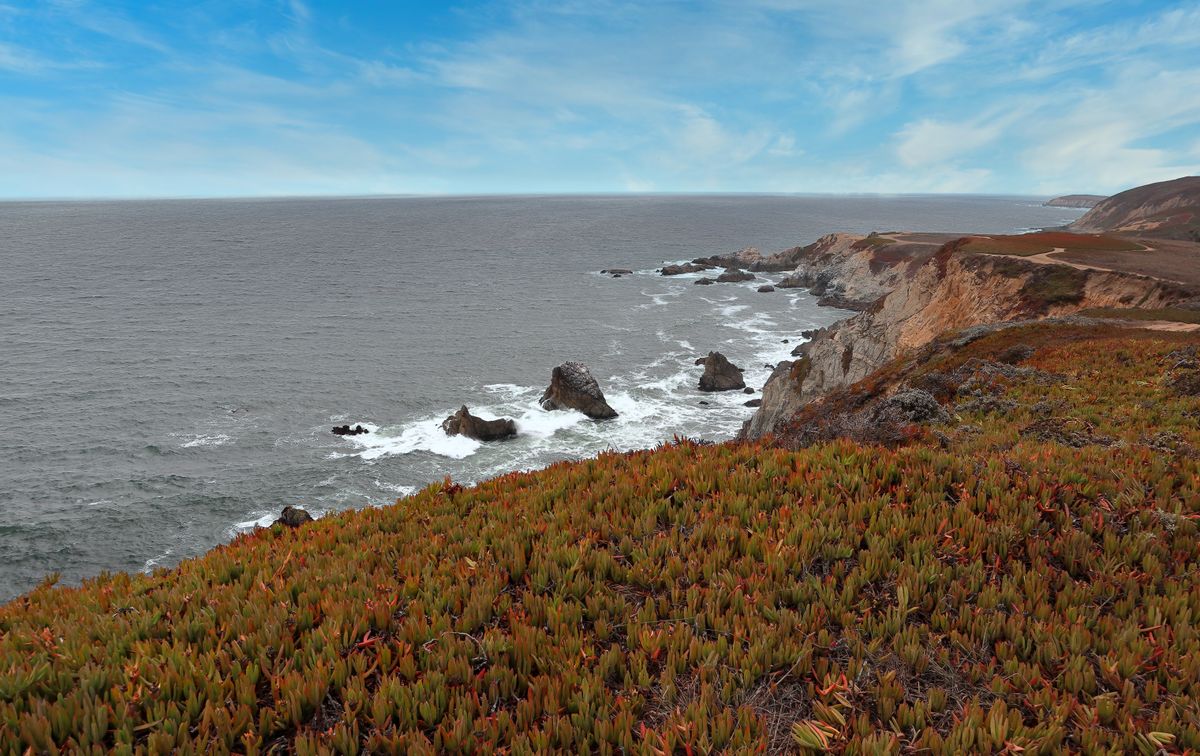
Harmony — this is the coast these pages are about.
Quick answer: Forestry Mulching in Harmony, CA — A stump is the part of the problem that is still in the ground: it holds the roots that lift pavement, keeps a species alive if it re-sprouts, and occupies the spot where the next planting goes. Grinding removes it below the surface so the ground can be worked again, and the roots that matter are the ones under the driveway rather than the ones beside the trunk.
- Typical timing: Any month the ground is workable; rain-softened soil grinds fastest and leaves the cleanest spoil.
- What it involves: Assessing re-sprout risk by species, grinding below grade, raking the spoil back, and handling surface roots separately from the stump.
- The standard: ISA guidance on root cutting and the ANSI A300 pruning standard where roots and crown are worked together.
- Where we work: Cambria, San Simeon, Harmony, Cayucos, Morro Bay, Los Osos and the Cambria pine belt.
- Our own record: 503 pages and 291 stories published on this site. Counted from our own archive, not a stock table.
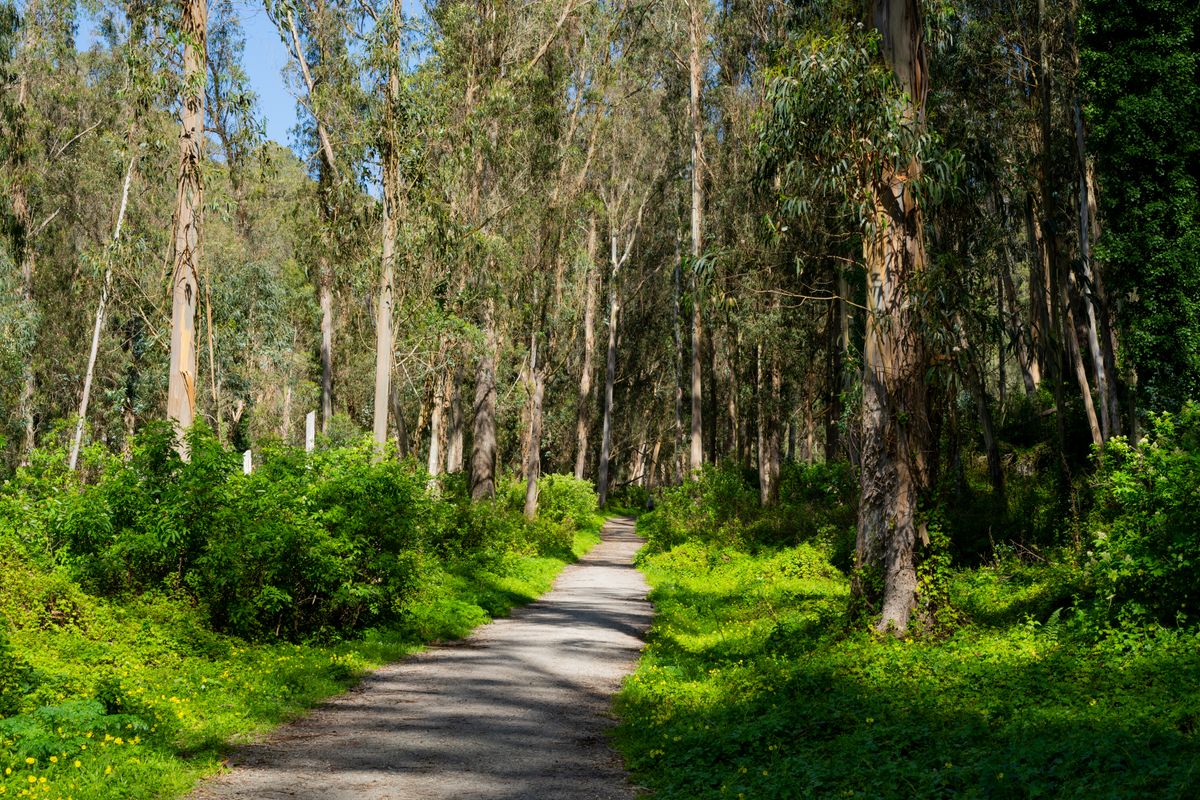
Field note. On this coast the stump is rarely the end of the job: Monterey pine and eucalyptus both keep enough energy in the roots to push new growth, so we are looking at the species before we quote the grind rather than after.
On the other hand, a stump left in a garden bed is sometimes the better answer — it decays, feeds the soil and costs nothing — so grinding is a choice, not a rule.
There is a particular kind of ground on a Harmony farm lot that is a nuisance to clear by hand and impossible to plough: the margin where the fence line, the volunteer saplings and the brush have grown into each other, the strip under an old windrow that nobody has walked in years, the corner where the broom took hold.
A track-mounted cutting head mulches that standing vegetation to the ground in one pass and leaves the chips where the plants stood, which on this coast is usually the whole of the answer.
One machine, standing brush, no pile
The head is a heavy drum with fixed teeth on a carrier that walks on tracks. It cuts and grinds as it goes, taking brush, saplings of a hand's span at the base, dead material and small woody stems straight down to the soil line. Nothing is dragged, nothing is stacked and nothing has to be fed into a chipper by hand, which matters on a stretch where the nearest crew is ten miles away.
And the chips it leaves are a mat over the bare ground, which is exactly what a cleared slope or a creek-side margin needs before the first rain.
Where it suits this ground
The creek margins and the fence lines are where it earns its place. Both are awkward to reach, both carry a mixture of brush, grass and volunteer growth, and both are the kind of ground where hand cutting leaves a slash pile nobody wants to deal with on a farm that already burns carefully in a narrow window.
The fire-clearing margins benefit too: a mat of chips over bare terrace ground holds the soil and slows the grass, which is a better outcome than a mown strip with a pile at the end of it.
What it will not do
A cutting head does not fell a mature tree. The eucalyptus and cypress that define this place are a rigging, climbing or crane job, and a head on tracks near a building is not the tool. It also cannot reach the low limbs of an overhanging tree, so the clearance cut above still has to be made.
And it will not go where the ground cannot carry it: the terrace is soft from November through the spring, the creek bank has a setback, and a slope the carrier cannot hold on is a slope that should be cut by hand.
Access, timing and what it leaves behind
Access decides whether the machine can do the whole job or only part of it — a gate width, an overhead line, a septic field, the creek itself. The work goes in when the ground will carry the carrier and before the fuel cures, which here means the dry half of the year.
Afterwards the mat is left in place, kept off the trunks of retained trees, and the ground is walked to confirm nothing was left standing that the operator could not see from the cab.
How it compares with the alternative
Against hand cutting and chipping the difference is method, not goal: both break the fuel chain, but hand work lets us be surgical around the native shrubs worth keeping and mulching suits the acre that cannot be walked over with a wheelbarrow. The goal itself is the same as ladder fuel removal, and on ground that needs wholesale clearing with a retention plan it is a different job entirely.
Send photographs of the ground and we will say whether the machine can reach it. Call (805) 927-4414, see our services or the Harmony page, or use the contact page.
Field note — Samuel Delacroix walks the boundary before quoting, because the gate, the septic field and the soft ground decide the job long before the brush does.
Questions, quotes, or just exploring — we’re here to help.