

When the Wood Is Already Brittle
Dead & Dying Tree Removal in Harmony, CA
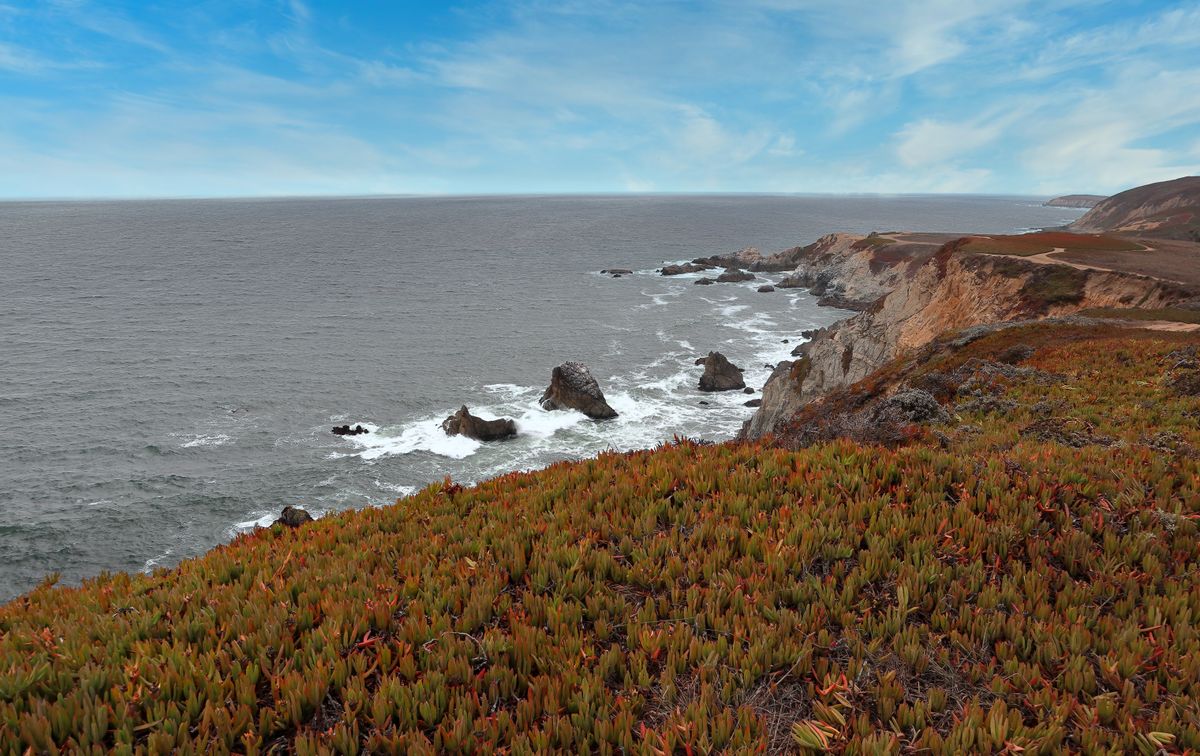
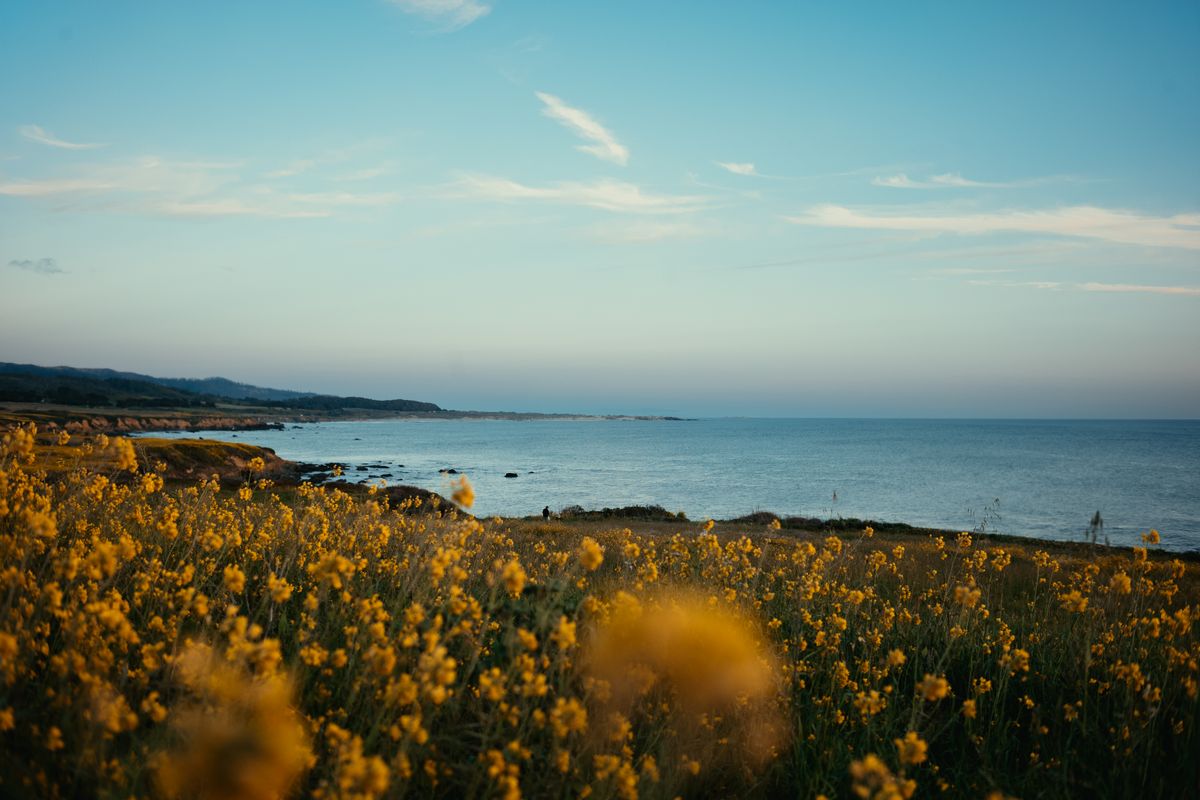
Harmony — this is the coast these pages are about.
Quick answer: Dead & Dying Tree Removal in Harmony, CA — Removing a tree is planning before it is cutting: where the wood lands, what is under it, whether a rope or a crane takes the weight, and what is left when the crew drives away. A removal is finished when the drop zone is clear and the stump is dealt with, not when the trunk hits the ground.
- Typical timing: When the tree is a hazard, the schedule is immediate — storm damage, split leaders and leaners do not wait for good weather.
- What it involves: A written plan for the drop zone, rigging or crane work over structures, protecting driveways and roofs, and deciding the stump’s fate in advance.
- The standard: The ANSI Z133 safety standard for arboricultural operations, and ISA best practice for removals near structures.
- Where we work: Small town lots, coastal acreage and the narrow properties of the Cambria pine belt.
- Our own record: 503 pages and 291 stories published on this site. Counted from our own archive, not a stock table.
Field note. What we see here is that access decides the price more than height does: a pine over a fence on a slope with no driveway costs more to take down safely than a taller tree with a clear drop, and the plan is where that shows up.
On the other hand, removal is not the only safe answer — a tree with one failing limb, or a lean that can be corrected by reduction, is often better kept and managed than gone.
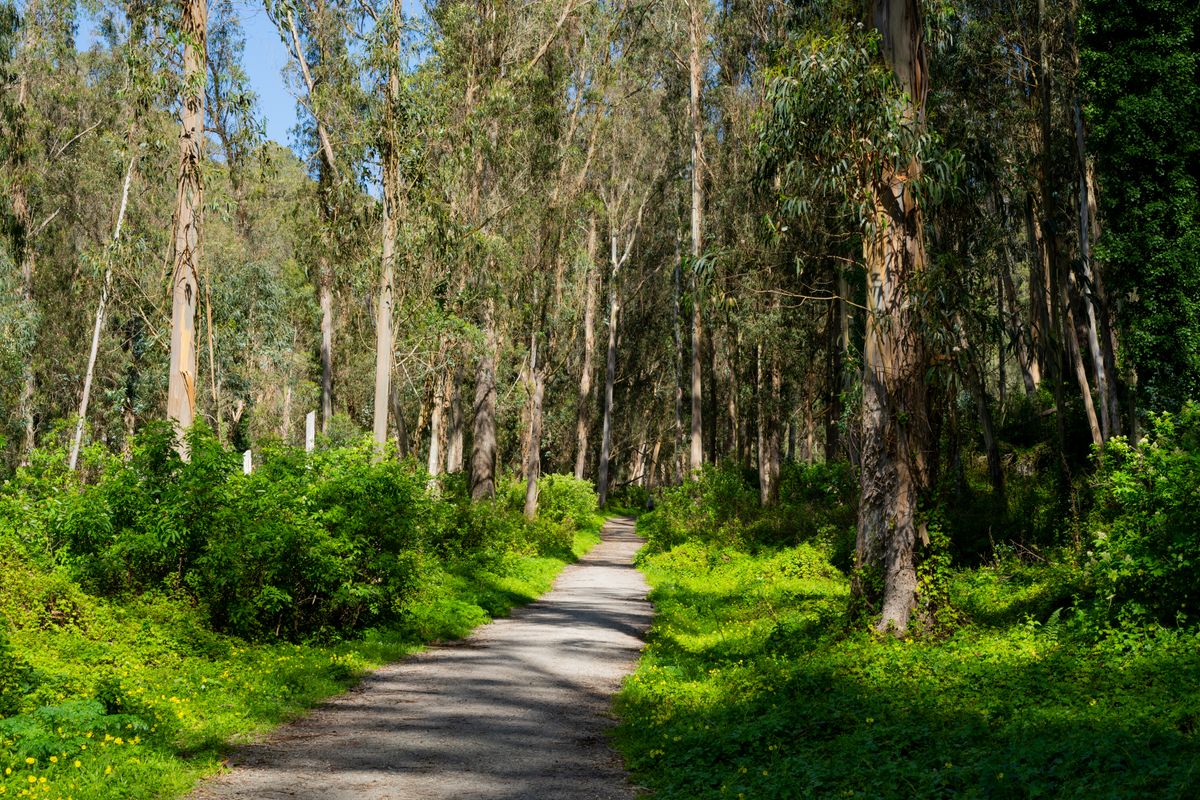
Dead tree removal in Harmony is usually a windbreak problem rather than an emergency. The cypress that marked the lane and the eucalyptus rows that sheltered the dairy are all between eighty and a hundred and ten years old, and a fair number of them are now standing dead — bark gone, tops broken, the wood dry and light.
Nothing about that is unusual here. What matters is that dead wood is brittle wood, and brittle wood changes every decision the crew makes.
Dead, dying, or just dormant
The first question is honest diagnosis. A cypress that dropped its inner foliage in a dry year can look finished and be perfectly alive; an arborist scratches the bark or cuts a small twig to see whether the cambium underneath is green.
Eucalyptus is more straightforward — it holds live foliage in the canopy and dead limbs stand out bare against it — and a dead cypress usually shows it in the top, where the last needles went and never came back. Getting this wrong is expensive in both directions: felling a live shelter tree costs you the wind shadow, and leaving a dead one over a lane costs you the lane.
What changes when the wood is dead
Live wood bends and gives; dead wood shatters. A climber cannot trust a dead limb to hold a rope, so a dead removal is usually worked with a crane or with the whole tree felled from the base rather than dismantled from inside it. Spar poles are weaker, anchor points disappear, and the pieces that come off are lighter than they look and unpredictably shaped.
The plan is written around that: bigger pieces, fewer cuts aloft, and a drop zone cleared wider than the tree's own height.
The artesian ground underneath
Old farm lots in Harmony sit on marine terrace ground over artesian water, and the water table moves with the season. In a wet winter the ground under the south end of a lot can be soft enough that a loaded truck leaves ruts that outlive the job.
That is a rigging and access question, and it is the reason a removal scheduled for February here is often better moved to the summer — the tree is no more dangerous in June, and the ground is far easier to work on.
Both the fire rules and the neighbours
Dead standing wood inside Cal Fire's State Responsibility Area is a defensible space item and a firewood question at once. A dead eucalyptus that will not be felled this season can be reduced and the debris hauled away, which gets it out of the hazard column without leaving a stack of fuel at the fence line.
On a lot shared with a fence or a lane, the piece that fails is the one that lands on the fence — so the row gets looked at, not the individual tree.
Timing and the paperwork
A standing dead tree is planned work, not an emergency call-out. Dead, dying and hazardous trees are generally exempt from county removal permits, but the exemption is worth documenting with dated photographs and a short written opinion. We will tell you plainly which trees are a genuine schedule item and which can wait a season.
If you have dead trees along a lane, a fence or a building, call (805) 927-4414 or use the contact page to arrange a walk. Start at our services for the wider picture of the work we do on this coast.
Field note — Ethan Reed reads the top third of the tree first. On this coast that is where dead cypress and eucalyptus give themselves away, months before anything falls.
Questions, quotes, or just exploring — we’re here to help.