

Thinning a Windbreak to the Wind
Crown Thinning in Harmony, CA
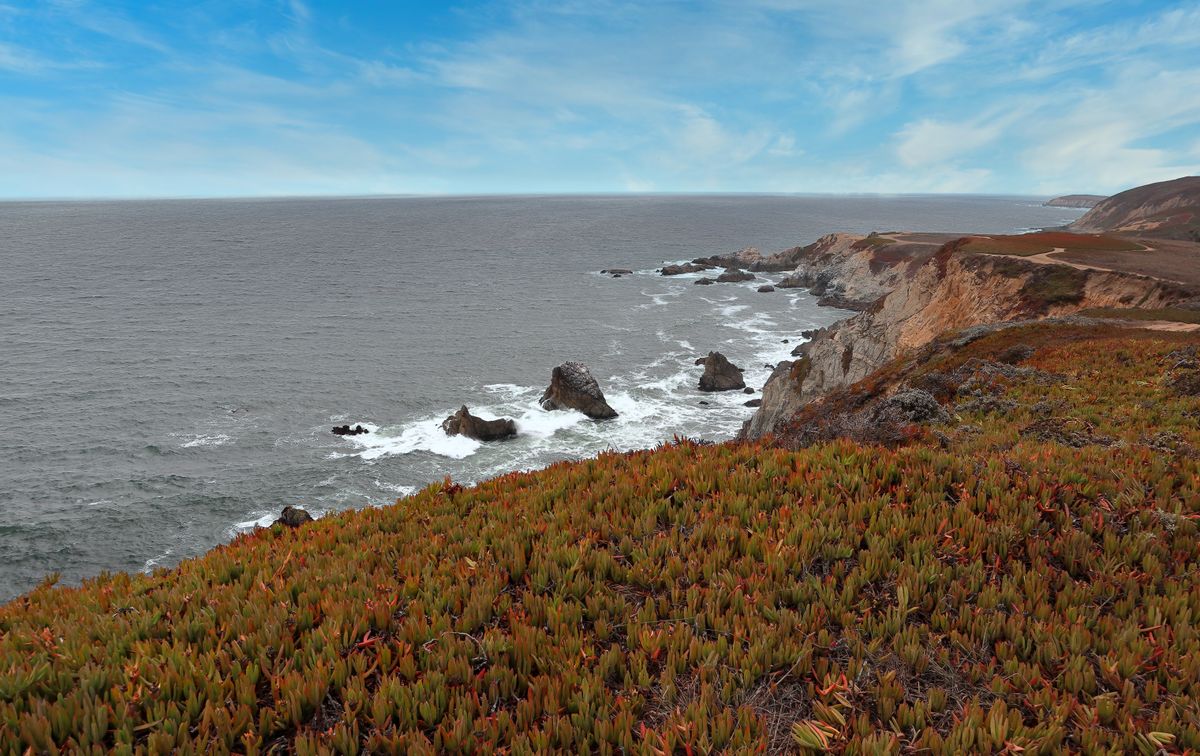
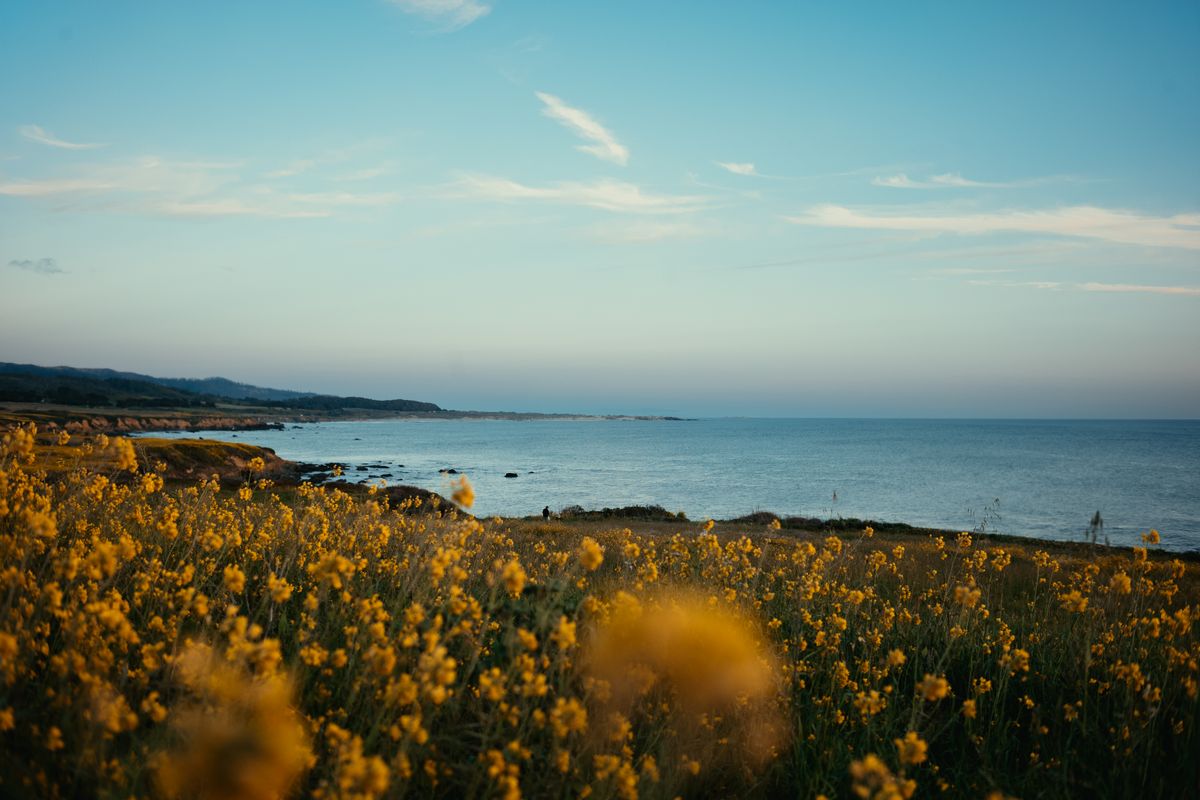
Harmony — this is the coast these pages are about.
Quick answer: Crown Thinning in Harmony, CA — Pruning is a plan before it is a cut: deadwood and broken limbs first, then clearance from roofs, wires and paths, then the structure the tree will carry for the next decade. The right cut heals and the wrong one invites decay, which is why the order matters more than the number of cuts.
- Typical timing: Structural work in the dormant months, light clearance and deadwood any time the tree is not under stress.
- What it involves: Removing dead and crossing limbs, thinning to let light through, lifting low limbs for clearance, and never topping a tree.
- The standard: The ANSI A300 pruning standard as applied by ISA-certified arborists — including the three-cut method on every limb worth saving.
- Where we work: Cambria, San Simeon, Cayucos, Morro Bay, Los Osos and the towns between.
- Our own record: 503 pages and 291 stories published on this site. Counted from our own archive, not a stock table.
Field note. What we see on this coast is a pruning calendar that does not match the inland one: salt air, fog and wind mean a cut that would be minor in the valley can be the one that opens a crown to decay here, so we look at the species and the exposure before the season.
On the other hand, not every tree wants to be pruned: leaving a healthy canopy alone is a decision that pays, and a tree with plenty of space is often better served by doing nothing.
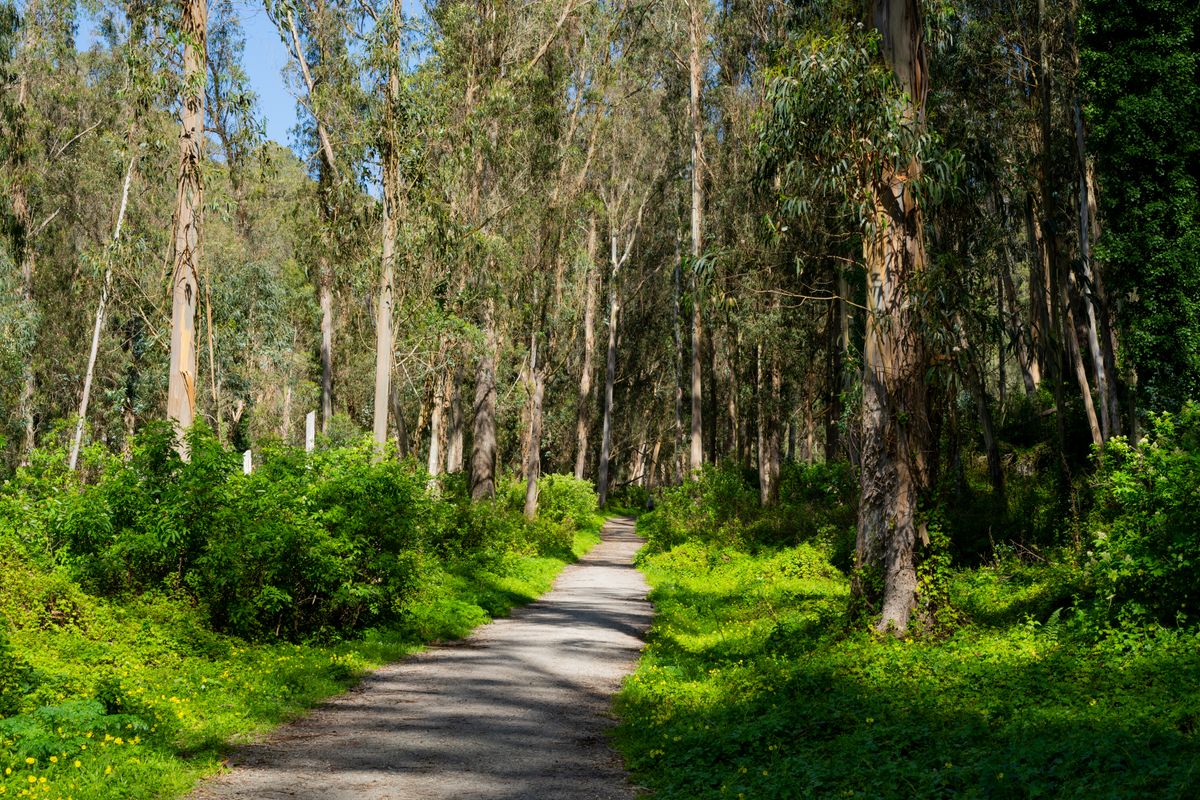
Crown thinning in Harmony is mostly about wind, and the trees that most need it are the ones that look strongest. A eucalyptus in a dairy windrow grew up fighting the same gale for a century, and it has an enormous sail area up top doing work the trunk and the root plate were sized for a hundred years ago.
Thinning takes selected branches out of the inner crown so air passes through the tree instead of shoving it — the difference between a tree that bends and a tree that comes out of the ground.
What thinning actually is
Thinning removes live branches from the interior and the upper crown, chosen to open the canopy's porosity while leaving the outer profile intact. The tree looks the same shape from the road afterwards, and it is measurably more transparent to wind. It is not the same as reducing, which shortens limbs and the crown outline, and it is not the same as clearing — thinning takes out a minority of foliage, deliberately, and leaves the tree able to feed itself.
The dosage limit is the whole craft
The standards for tree pruning put real limits on how much live crown can come out in one pass, and the practical ceiling is well below what most people imagine. Over-thin a eucalyptus and it does two bad things: it loses the leaf area it needs to make food, and it responds by pushing quick new growth that is weakly attached.
The result is a tree that looked better the week it was done and is more likely to break in five years. The failure mode you see on this coast is lions-tailing — stripping the inner and lower laterals and leaving a tuft out at the end of each limb — which is the opposite of thinning and the most common bad cut in the trade.
The wind on the terrace
The terrace here takes the northwest gale straight off the water with almost nothing between it and the tree, and the farm rows are the first thing standing in the way. That is exactly why thinning pays on this parcel: the tree that survived a hundred winters by being flexible was probably always the one with room between its branches.
Removing the windbreak rows entirely is the other way to solve it, and it is almost never the right one — the shelter they give the buildings is worth keeping.
What we take, and what we leave
Dead and dying limbs come out first, then crossing and rubbing branches, then a careful selection of the densest inner laterals for the porosity. Codominant stems with included bark are a structural problem rather than a density problem and are handled as reduction or with support, not by thinning. Water sprouts and epicormic growth — often the tree's own response to being cut badly before — go too.
Timing
Thinning is best done in late winter or early spring here, ahead of the growth flush and outside the windiest weeks, and never in the middle of a drought when a eucalyptus is already stressed. A mature cypress tolerates it less; on those we are conservative and often recommend deadwooding alone.
If your windbreak trees have grown into a solid wall, call (805) 927-4414 or use the contact page. Our services page has the wider picture of the work.
Field note — Margot Thackeray thins to the wind, not to the eye. The tree should look unchanged from the road and read completely differently from inside the crown.
Questions, quotes, or just exploring — we’re here to help.