


Building Beside the Trees Worth Keeping
Construction Tree Protection in Harmony, CA
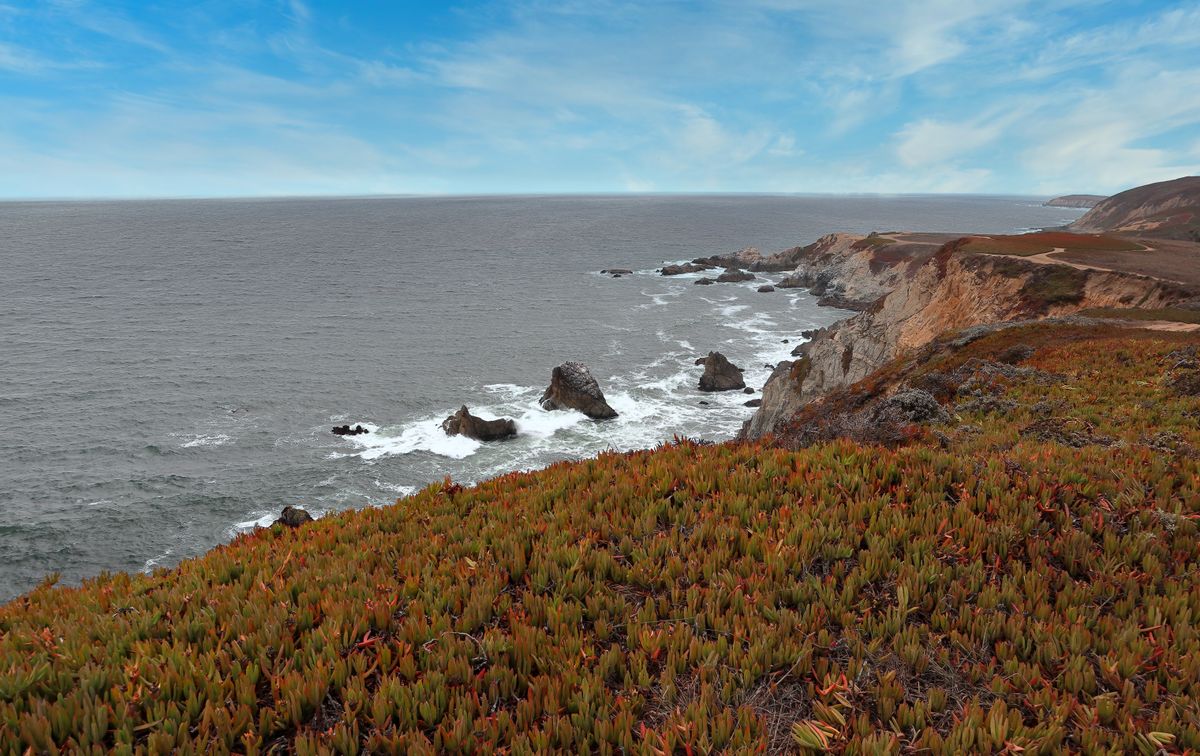
Harmony — this is the coast these pages are about.
Quick answer: Construction Tree Protection in Harmony, CA — Trees on this coast live with fog, salt, wind and thin soil, and the work that keeps them healthy is decided by those conditions rather than by a calendar written inland. Structure, clearance and the root zone are what a tree here needs looked at, and small work done early is what keeps a tree out of the emergency list.
- What it involves: Structural pruning, clearance from structures and wires, deadwood removal, root-zone care and hazard assessment.
- Typical timing: Structural work in the dormant months; deadwood, clearance and hazard work whenever the tree needs it.
- The standard: The ISA standards for pruning and tree risk assessment, applied by ISA-certified arborists.
- Where we work: Cambria, San Simeon, Harmony, Cayucos, Morro Bay, Los Osos and the Cambria pine belt.
- Our own record: 503 pages and 291 stories published on this site. Counted from our own archive, not a stock table.
Field note. What we see on this coast is that the trees people worry about are usually not the ones in trouble: the pine with a clean crown and a lean that predates the house is often sounder than the tidy tree that has been quietly drowning in its own root zone.
On the other hand, there is no schedule that suits every tree — the same species on two sides of one street can need opposite care, which is why we look before we recommend.
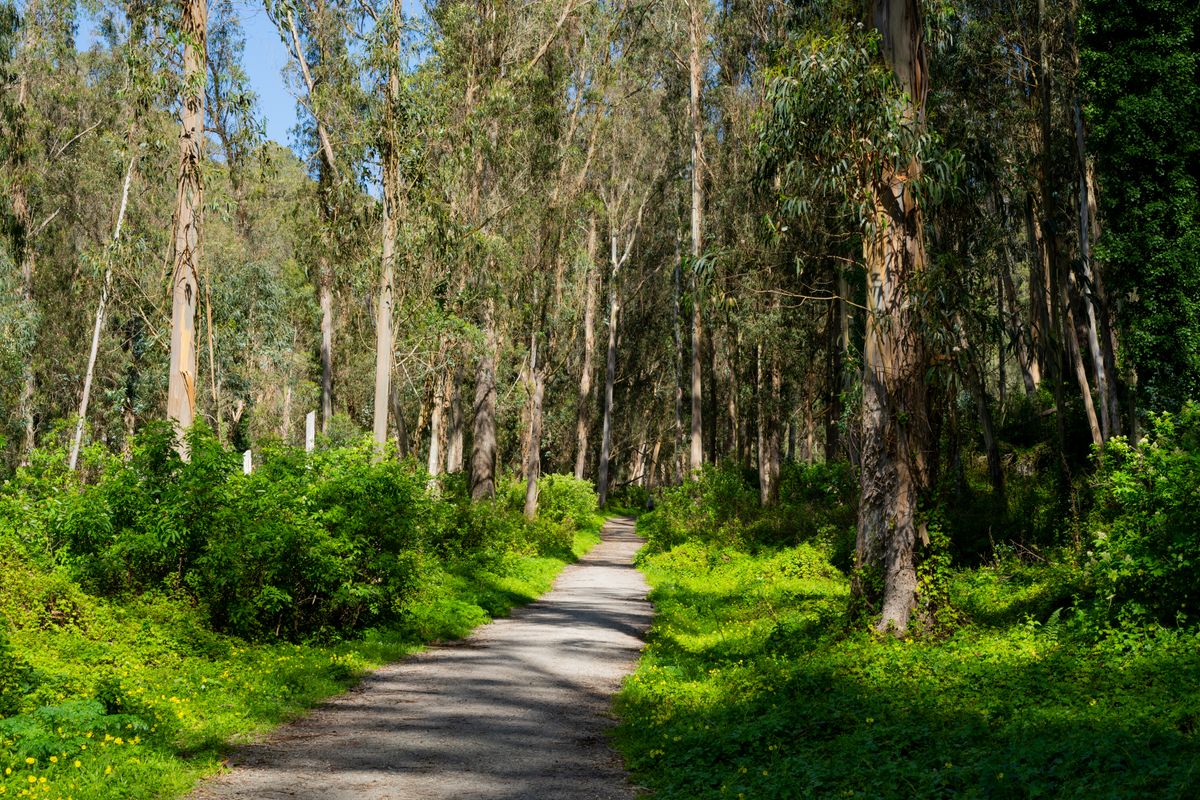
Almost every building project on Harmony's old farm lots is a remodel or a conversion next to trees that were planted on purpose. The cypress that marks the lane, the eucalyptus windrow that keeps the wind off the yard — these are the reason the parcel was laid out the way it was, and they are also the first thing a site plan finds inconvenient.
A tree protection plan exists so that the decision about which of them survives is made on paper, once, rather than by a tracked machine on a wet morning in week three.
The protected zone is drawn from the tree, not the fence
The work starts with a walk: every tree within reach of the project gets a species, a stem diameter and a condition note, and the ones worth keeping get a protection zone measured off the trunk — a radius that grows with the tree, not a tidy rectangle around the building. On a big eucalyptus that zone reaches well past the drip line, because the roots carrying the load are wider than the canopy is.
It is drawn on the plan the builder holds, so an excavator operator can see it, and it is marked on the ground with stakes and tape before anything is delivered.
The damage nobody notices for five years
The killing injuries are quiet. Fill mounded over a root flare. A grade cut that severs roots a metre from the trunk. A cement mixer parked in the same spot for a fortnight. Concrete washout tipped where it will set like a paving stone over roots. A trench for power or water run straight through the protection zone because the route looked shorter.
None of it shows the following spring; all of it shows in the fifth year, and by then the building is finished and the tree is a bill.
Trenching, washout and where the installer must move
Where a run has to cross a protected zone, we plan it before the dig rather than after: the line that can be hand-dug, the one that can be routed around, the one that can be bored beneath the roots, and the one that genuinely has to go through and needs an arborist on site while it happens. Washout gets a lined pit on the far side of the site and a rule that it never leaves it.
Monitoring, because the plan is only a sheet of paper
For a project that runs months, the plan needs a person attached to it. Scheduled visits catch the change in the sequence that quietly breaks the rule — the delivery that staged inside the zone, the trench that got re-routed on the day — and put it in writing while it can still be unwound.
On a build where a retained windrow is the whole point of the site, one visit at the right moment is cheaper than the argument at the end.
When the honest advice is to remove and replant
Some trees cannot survive the project they are attached to. A eucalyptus within a metre of a new foundation, on ground that will be cut and filled, is a structural risk and a root problem that no fence fixes, and the responsible answer is to take it down and plant again where the tree can grow into the space.
Saying so early — while the plan can still absorb it — is part of the job. What is not acceptable is discovering it after the concrete is poured.
Send the site plan and we will walk the parcel with the builder. Call (805) 927-4414, see our services, or reach us through the contact page. The town hub at Harmony tree service covers the rest of the work.
Field note — Adrian Delacroix reads plans backwards: start with what is being built, then find every tree that will lose ground to it.
Questions, quotes, or just exploring — we’re here to help.