

Writing Down What Is Actually Growing
Commercial Tree Inventory & Management Plan in Harmony, CA
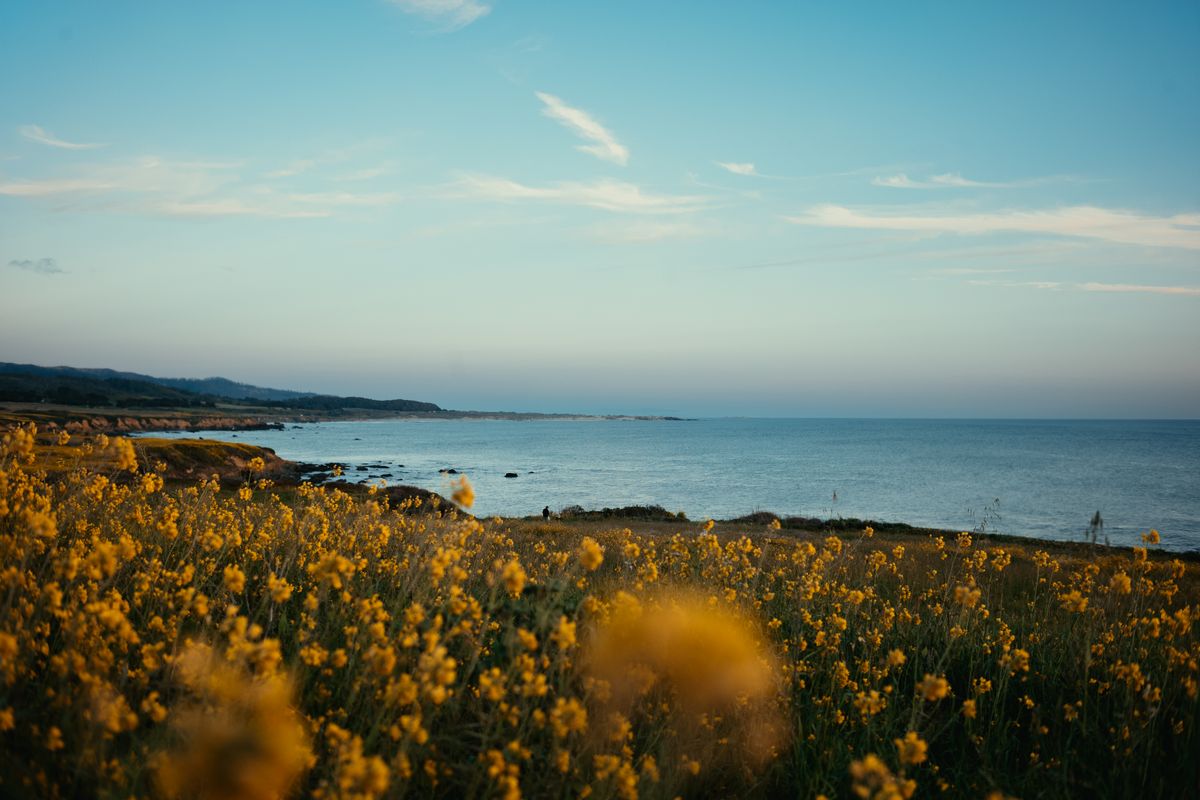
Harmony — this is the coast these pages are about.
Quick answer: Commercial Tree Inventory & Management Plan in Harmony, CA — Trees on this coast live with fog, salt, wind and thin soil, and the work that keeps them healthy is decided by those conditions rather than by a calendar written inland. Structure, clearance and the root zone are what a tree here needs looked at, and small work done early is what keeps a tree out of the emergency list.
- What it involves: Structural pruning, clearance from structures and wires, deadwood removal, root-zone care and hazard assessment.
- Typical timing: Structural work in the dormant months; deadwood, clearance and hazard work whenever the tree needs it.
- The standard: The ISA standards for pruning and tree risk assessment, applied by ISA-certified arborists.
- Where we work: Cambria, San Simeon, Harmony, Cayucos, Morro Bay, Los Osos and the Cambria pine belt.
- Our own record: 503 pages and 291 stories published on this site. Counted from our own archive, not a stock table.
Field note. What we see on this coast is that the trees people worry about are usually not the ones in trouble: the pine with a clean crown and a lean that predates the house is often sounder than the tidy tree that has been quietly drowning in its own root zone.
On the other hand, there is no schedule that suits every tree — the same species on two sides of one street can need opposite care, which is why we look before we recommend.
A working parcel on the highway here — a winery, a creamery, a row of guest cottages — is carrying trees that were planted for a purpose, are now decades past it, and have never been written down anywhere. There is no list, so there is no plan, so every decision about them is made in the moment by whoever is standing there.
An inventory is that list, and on a property where the trees are the setting, it is the cheapest piece of management a owner can buy.
What the document actually holds
Each tree gets an identifier, a species, a trunk diameter, a condition note, a risk rating against what it could hit, and the recommended work with a priority. The identifier is the part people underestimate: it is what lets a board, a manager or a contractor refer to the same tree twice and mean the same tree, and it is what turns a set of opinions into a work order.
Alongside the tree records go the site notes that explain the ratings — the lane, the buildings, the parking, the septic field, the boundary line.
Output in a form a manager can use
An inventory nobody can act on is a report. So the deliverable is whatever the property already works in: a spreadsheet with the tree rows and the recommended work, a plan drawing or a GIS layer with the trees marked on the parcel, and a one-page summary separating the immediate risks from the routine cycle from the long-term replanting question.
Priorities are deliberately coarse — now, this season, this cycle — because a five-year plan with eighty items is not a plan.
A defensible budget out of it
The reason an owner with a board or a bank behind them wants this is money. A programme derived from an inventory can be costed and spread: the deadwood pass this year, the fire clearance each spring, the failing windrow tree removed next winter, the replacements phased over a decade. That is a budget a lender or a partner can look at, versus the annual surprise of a storm bill and an argument about why nothing was planned.
How it pairs with the rest
The inventory is the map; the work is the journey. The multi-year programme it produces is what the shared-property service at HOA and apartment programs runs on, and the risk ratings it uses come out of the same logic as a tree risk assessment. Where a specimen tree is being lost to a windrow of planted trees growing into it, the thinning and removal are ordinary scheduled work rather than emergencies.
Keeping it alive
An inventory is worth what it is updated to. Trees come down, storms change the picture, and a plan that still lists a tree removed three winters ago loses its credibility fast. So the record is maintained as work is done, with a short annual review rather than a full survey every time, and it is the same file that answers an insurer's letter.
If nobody has ever written down what is growing on the property, call (805) 927-4414 and we will walk it and produce the list. See our services, the Harmony page, or the contact page.
Field note — Adrian Delacroix numbers the trees before he rates them, because a manager cannot schedule work on a tree nobody can name.
Questions, quotes, or just exploring — we’re here to help.