

Commercial & HOA Tree Care in Harmony, CA
Commercial & HOA Tree Care
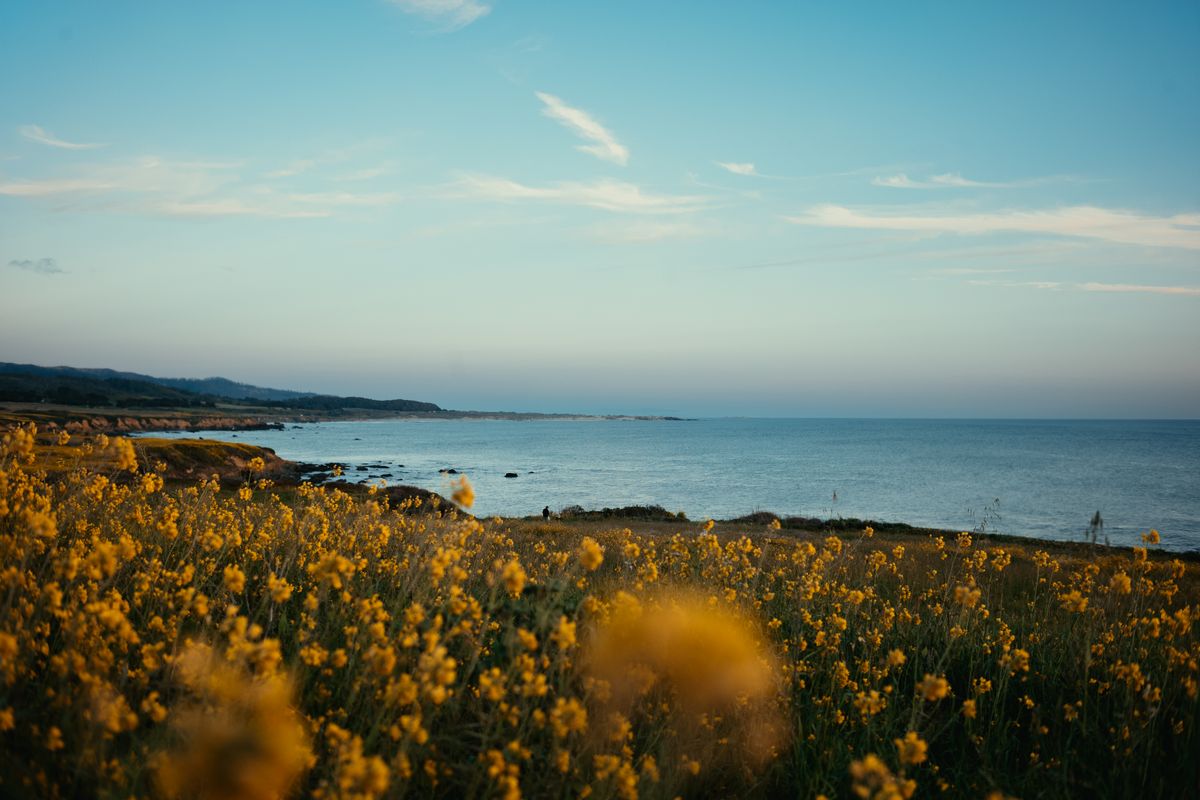
Harmony — this is the coast these pages are about.
Quick answer: Commercial & HOA Tree Care — Trees on this coast live with fog, salt, wind and thin soil, and the work that keeps them healthy is decided by those conditions rather than by a calendar written inland. Structure, clearance and the root zone are what a tree here needs looked at, and small work done early is what keeps a tree out of the emergency list.
- What it involves: Structural pruning, clearance from structures and wires, deadwood removal, root-zone care and hazard assessment.
- Typical timing: Structural work in the dormant months; deadwood, clearance and hazard work whenever the tree needs it.
- The standard: The ISA standards for pruning and tree risk assessment, applied by ISA-certified arborists.
- Where we work: Cambria, San Simeon, Harmony, Cayucos, Morro Bay, Los Osos and the Cambria pine belt.
- Our own record: 503 pages and 291 stories published on this site. Counted from our own archive, not a stock table.
Field note. What we see on this coast is that the trees people worry about are usually not the ones in trouble: the pine with a clean crown and a lean that predates the house is often sounder than the tidy tree that has been quietly drowning in its own root zone.
On the other hand, there is no schedule that suits every tree — the same species on two sides of one street can need opposite care, which is why we look before we recommend.
Harmony's commercial properties are small and specific: a winery with a terrace under mature trees, a store and a studio or two in the historic buildings, a handful of vacation rentals on large rural parcels. What they have in common is visitors.
A limb on a car in a parking area, a tree over a tasting terrace, a windrow that drops branches on the only lane in and out — all of it happens in front of guests, and all of it is far more expensive than the pruning that would have prevented it.
The inventory, which is also the budget
The starting point for a commercial parcel here is a walk and a written inventory: every tree, its species and approximate age, its condition, what it endangers, and a recommendation with a date.
On a property with century-old windrow trees that document is not a formality, it is the maintenance plan — because the honest finding on old stock is usually that a handful of trees need real work now and the rest need a cycle, and the difference between those two things is money a manager can defend to an owner or a lender. It also settles the question of responsibility before an event rather than after one.
The cycle that fits rural ground
Most parcels out here want two passes and a survey. Late winter, after the wind and rain have taken what they were going to take: a full walk, deadwood removal, and the structural work on anything near a building, a lane or a parking area.
Late spring: clearance lines — roofs, service drops, signage, the access lane and the guest walkways — plus any reduction work on the tallest windrow trees, done before the dry season makes every cutting job a spark risk. Early autumn: the survey and the defensible-space pass around the buildings, which on grass country is mostly about what is under the trees rather than the trees themselves.
The cost argument holds up on every one of these properties. Planned work is roughly half the cost of emergency work at the invoice, and the gap widens when access is counted: an urgent removal of a big tree on a rural lot wants a crane that has to be brought in, a lane that has to be closed and a day that is chosen by the tree.
Planned, the same tree is a rigging job with a date on the calendar.
The file the owner or the insurer will ask for
Every commercial engagement leaves behind a property file: inventory, work record with dates, before-and-after photographs, the arborist's name and credentials, and a certificate of insurance with the additional-insured endorsement that most leases and management agreements require. On a property with public visitors, that file is the answer to the two questions that arrive after an incident — has this been looked at, and by whom — and it is a great deal cheaper than answering them from memory.
One practical note for anyone running a seasonal business out here: book the arborist's visit in the shoulder. The trees will still be there in July, and so will everybody else's.
Field note — Adrian Delacroix starts with the agreement and the calendar: what the property is obliged to maintain, who is named on the policy, and which week of the year can honestly be given to a saw.
Questions, quotes, or just exploring — we’re here to help.