



An Ocean View Is a Maintenance Item
View Clearing & Restoration
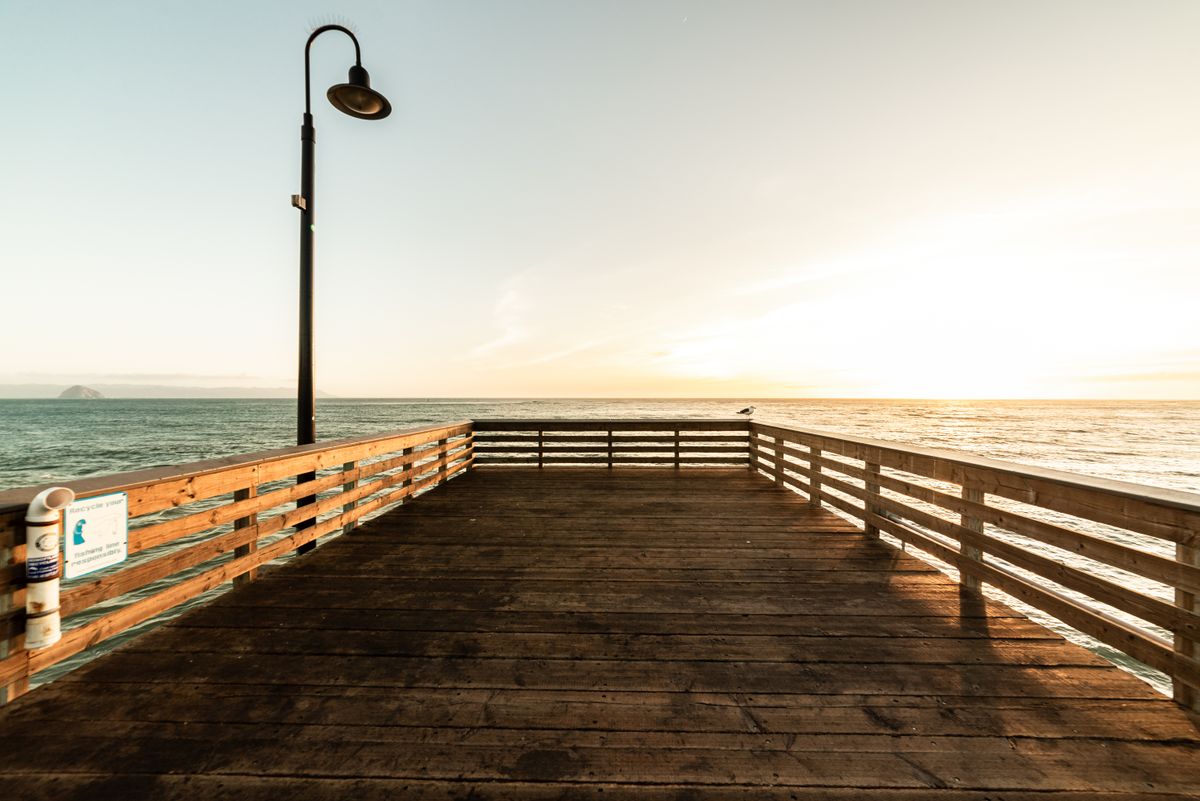
Cayucos — this is the coast these pages are about.
Quick answer: View Clearing & Restoration — Trees on this coast live with fog, salt, wind and thin soil, and the work that keeps them healthy is decided by those conditions rather than by a calendar written inland. Structure, clearance and the root zone are what a tree here needs looked at, and small work done early is what keeps a tree out of the emergency list.
- What it involves: Structural pruning, clearance from structures and wires, deadwood removal, root-zone care and hazard assessment.
- Typical timing: Structural work in the dormant months; deadwood, clearance and hazard work whenever the tree needs it.
- The standard: The ISA standards for pruning and tree risk assessment, applied by ISA-certified arborists.
- Where we work: Cambria, San Simeon, Harmony, Cayucos, Morro Bay, Los Osos and the Cambria pine belt.
- Our own record: 503 pages and 291 stories published on this site. Counted from our own archive, not a stock table.
Field note. What we see on this coast is that the trees people worry about are usually not the ones in trouble: the pine with a clean crown and a lean that predates the house is often sounder than the tidy tree that has been quietly drowning in its own root zone.
On the other hand, there is no schedule that suits every tree — the same species on two sides of one street can need opposite care, which is why we look before we recommend.
View clearing in Cayucos comes with a small piece of bad news that is worth saying first: a view does not stay clear. Everything on a hillside here is growing, and the window that opened this year closes again in three or four because the trees on the downslope side put on height and the shrubs below fill the gap. Anyone quoting a permanent view is selling something they cannot deliver.
What we can do is open a sightline properly, in a way the trees survive, and set a rhythm for keeping it open that costs less each time.
Windowing, Not Topping
The crude version of view clearing is to take the tops off whatever is in the way. It destroys the trees, it produces a flush of dense regrowth right at the height you wanted clear, and on a coastal slope it takes the wind resilience out of a stand that was shading itself. Every ruined pine and eucalyptus on a view lot was topped by someone solving exactly this problem.
The technique that works is windowing: selective reduction of specific limbs to open a gap at the height and angle of the actual view corridor, taking branches back to laterals of adequate size and leaving the crown's structure intact. It looks worse than topping for about a season and much better for the next twenty years.
The Vertical Question
Most view requests are really two requests. There is the horizontal sightline — a gap in the stand through which the water is visible — and there is the vertical clearance, the height above which nothing matters because the viewer is looking down at a window, not up at a hill. Knowing which one you are buying changes the job substantially, and it is the first thing to establish on site.
A lot at the top of a hill needs almost no removal; a lot at the bottom needs a corridor.
Whose Trees Are They
The awkward half of view work is ownership, and it comes up on this coast every summer. A tree on your side of the line is yours to manage, and the branches that overhang a boundary are a different matter from the tree itself. A tree that is entirely on the neighbour's parcel is the neighbour's tree, and no amount of view is a legal right to cut it.
Some parcels carry recorded view easements, some do not, and the ones that do have wording that usually constrains what can be removed.
We will tell you what we can see on the ground and what the map suggests, and we will not pretend to give legal advice about a boundary. Where it is a dispute rather than a maintenance job, the useful document is a written arborist report that describes the trees as they stand — which is ordinary work for us and considerably cheaper than the alternative.
Is the Tree Protected
Much of the town sits inside the coastal zone and the county's tree and resource rules apply, which means a wholesale view clearing is a permit question rather than a weekend project. Pruning that is genuinely pruning, within accepted practice, is a different category from removal, and how the line falls depends on the scale and on what the trees are.
Where a protected oak or a native stand is involved, the order is a report and a decision first — see oak preservation and the permits side in permits and ordinances.
Keeping It Open
Once the corridor is cut, the maintenance interval is usually three to five years on a hillside here, and it is much cheaper than the first visit because the work is tip growth rather than structure. Owners who keep the rhythm spend less in total and never have to look at a view that has closed completely.
Book a Site Visit
Stand at the window you care about and photograph the view. That single image tells us more than any description. Call (805) 927-4414 or use our contact page, and start at our services for the rest of what we do on this coast.
Questions, quotes, or just exploring — we’re here to help.