

The Afternoon That Decides Twenty Years
Tree Planting & Installation in Cayucos, CA
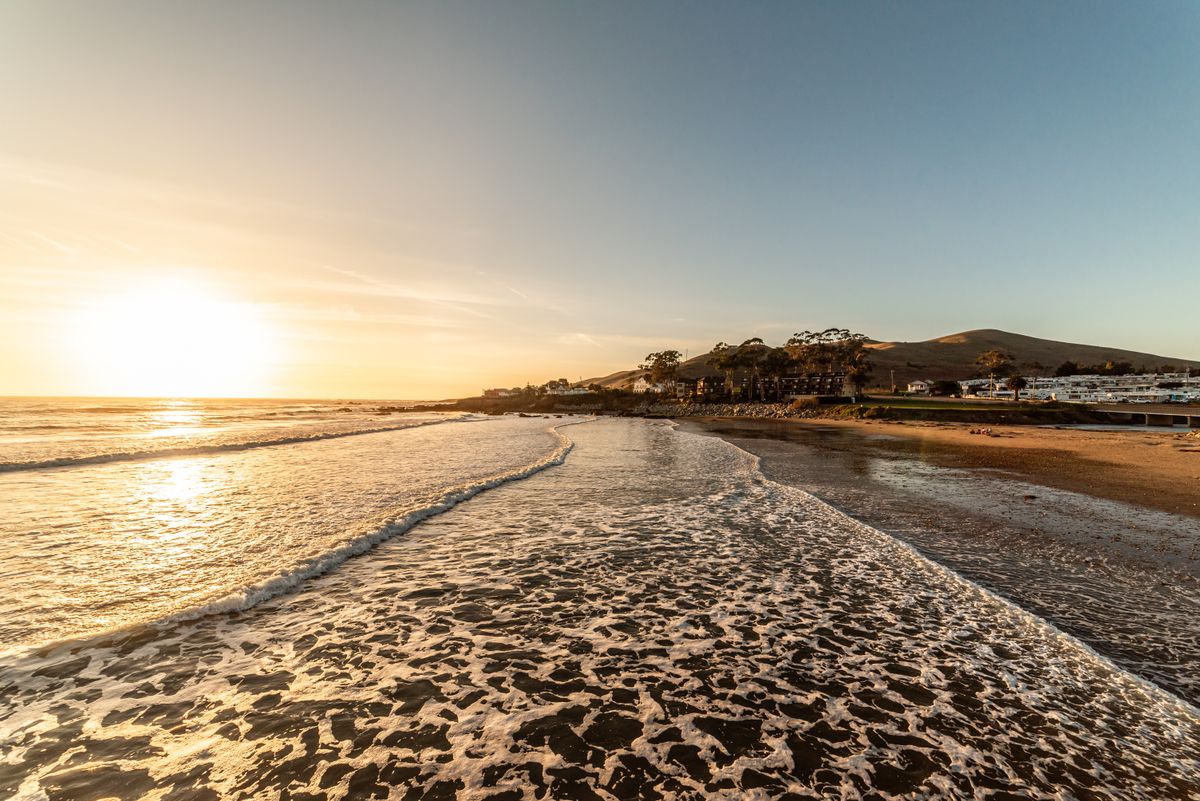
Cayucos — this is the coast these pages are about.
Quick answer: Tree Planting & Installation in Cayucos, CA — The tree that thrives here is the one chosen for this coast: fog, salt, wind and shallow soil are the local constraints, and mature size is the constraint most often ignored. Planting is a matter of putting the right species in a site that can hold it, then keeping the root flare visible and the first summers watered.
- Typical timing: Autumn planting, so winter rain does the establishment work; the first two summers decide the tree.
- What it involves: Matching mature canopy and root spread to the space, planting at the depth the tree grew in, and staking only when it is needed.
- The standard: Cal Poly’s SelecTree species data and university extension planting guidance.
- Where we work: Gardens and acreage from Cambria through Cayucos and Morro Bay.
- Our own record: 503 pages and 291 stories published on this site. Counted from our own archive, not a stock table.
Field note. What we see is that the coast is forgiving to the right species and unforgiving to the wrong one: the same tree that looks comfortable four streets in will burn on the windward side of a Cambria lot.
On the other hand, natives are not automatically the answer at every address — a species that belongs in the watershed can still be the wrong size for the garden it is standing in.
A tree planted in the wrong place in Cayucos is a twenty-year argument with a neighbour, a sewer line or the wind, and the argument starts the afternoon it goes into the ground. Tree planting and installation is the work of getting species, siting and the planting itself right the first time, on lots that are often only twelve feet wide and already holding a mature canopy.
Most of what we are called to look at years later traces back to one of three decisions: the wrong species for the site, the wrong depth in the hole, or a hose that stopped after the first September. All three are avoidable on the day.
Species Against the Site
Cayucos sits in the fog belt, with salt in the air and a dry summer, and the trees that do well here are the ones that expect it — Monterey cypress, Monterey pine, coast live oak, and the tough broadleaves that tolerate wind. A species that wants inland heat will sulk, and one that wants a wetter summer will need irrigation it should not have.
Then the site narrows the list further: overhead conductors, the sewer lateral, the distance to the foundation, the eventual spread of the crown against a neighbour's light, and the direction the winter gale comes from.
What the Sun Will Do
On a narrow beach lot the practical limit is often the shadow, not the root run. A fast-growing tree planted for privacy on the south-west corner will put the deck and the living room in shade by year eight, and its limbs will be over the neighbour's roof by year fifteen. Choosing a slower, smaller, wind-shaped species is usually the better trade here, and it is worth walking the site at the hour of day that matters to you.
Stock, and the Root Flare
We plant container stock and field-grown material, and bare-root for the deciduous natives where it establishes better. What we look for is structure from the start: a single dominant leader, no roots circling the inside of the pot, no fresh wound from a stake, and a root flare that is actually visible at the surface. A pot-bound tree goes in quickly and dies slowly, and working the root ball before planting is the cheapest insurance in the job.
Depth, Staking and the First Summers
The hole is wider than the pot and no deeper, with the sides roughened so the roots do not glaze against a smooth wall. The tree sits at the depth it grew, flare at the surface, never buried by the finish grade — planting too deep is the single most common way a good tree is ruined on day one.
A stake goes in only where the site demands one and comes out as soon as the trunk can stand, because a tree left tied to a stake grows a weak one. Establishment watering runs two to three summers, deep and infrequent, and the first one is the one that counts.
When We Will Say No
A planting that cannot succeed is not worth selling. If the site is too shaded, too tight to the house, over a leach field, or on ground so compacted that nothing will take until it is fixed, the honest answer is to fix the site first, choose a different species, or keep the trees already doing the job. Replacing a healthy mature tree with a nursery whip is a downgrade with a receipt.
Where It Fits
A single specimen tree is this page; covering a slope or a cleared bank is revegetation and native planting; and preparing the soil first is compost and soil amendment.
Have the Spot Walked First
Send a photograph of the spot, what you want the tree to do, and roughly where the services run. Call (805) 927-4414 or use the contact page, and see our services for the rest of the work in Cayucos.
Questions, quotes, or just exploring — we’re here to help.