

Choosing What Grows Back
Revegetation & Native Planting
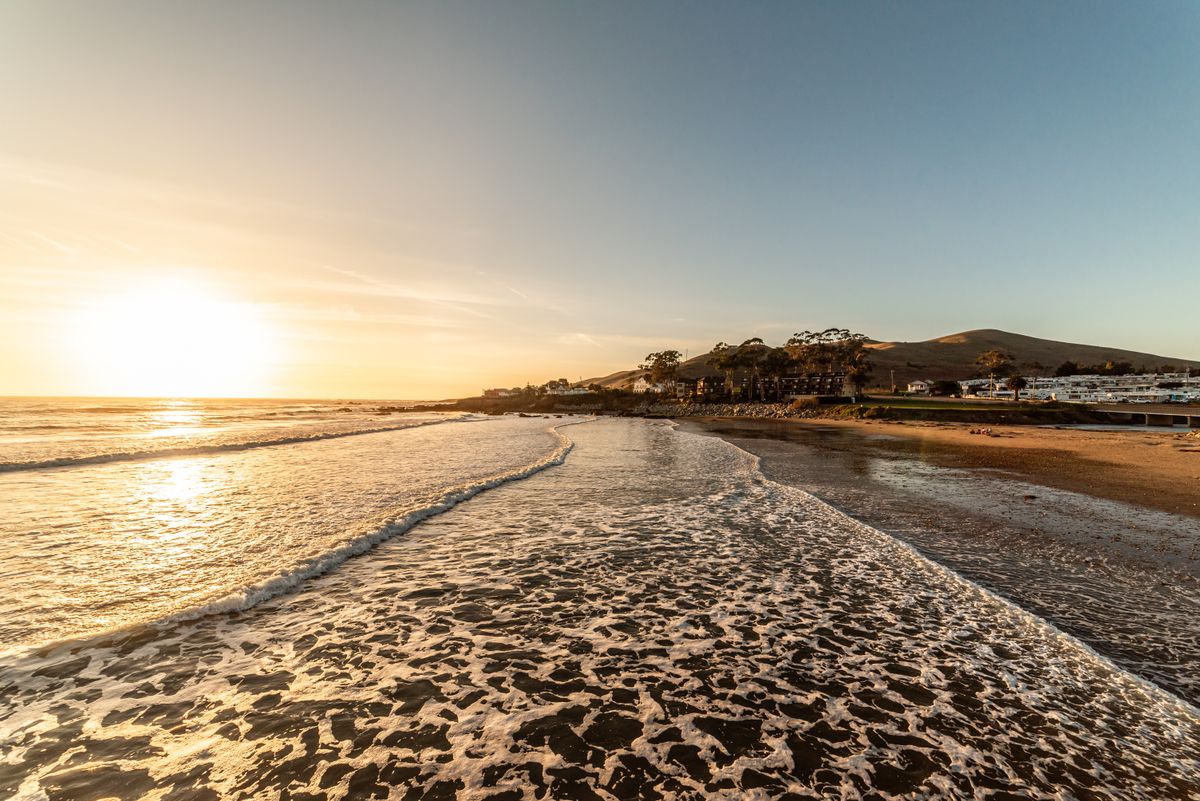
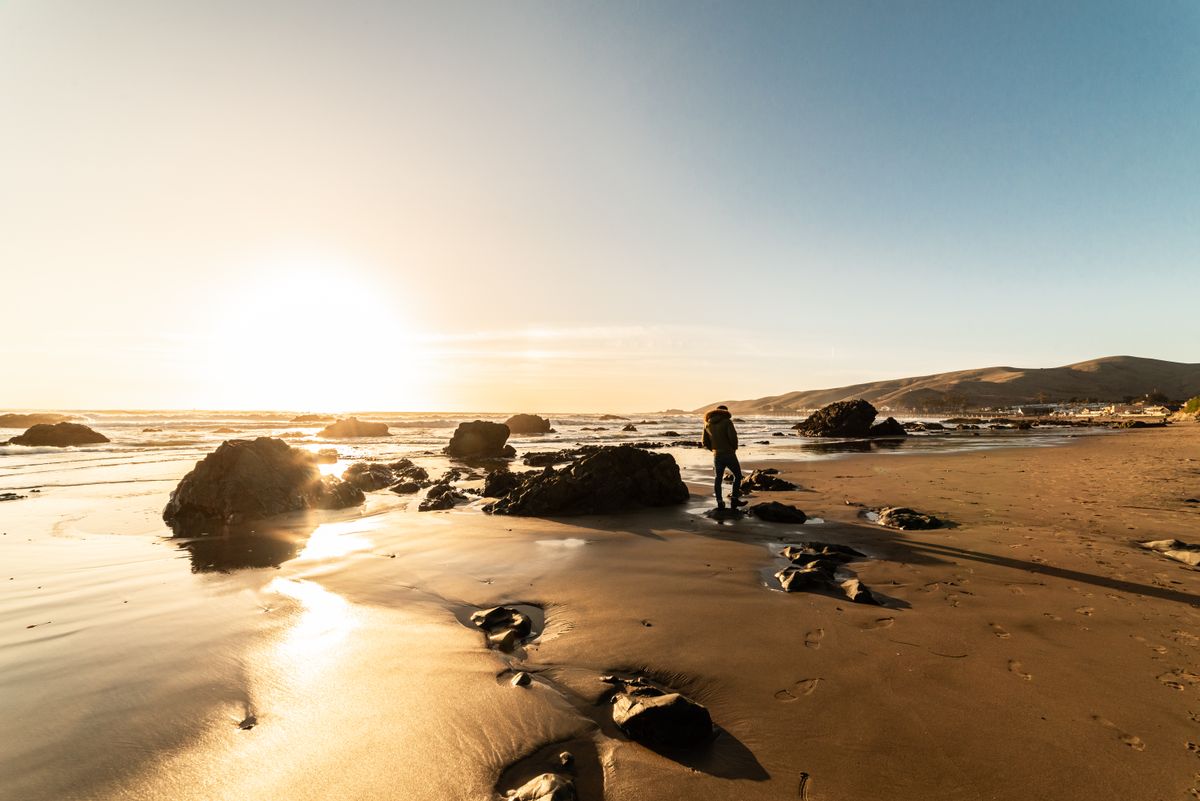
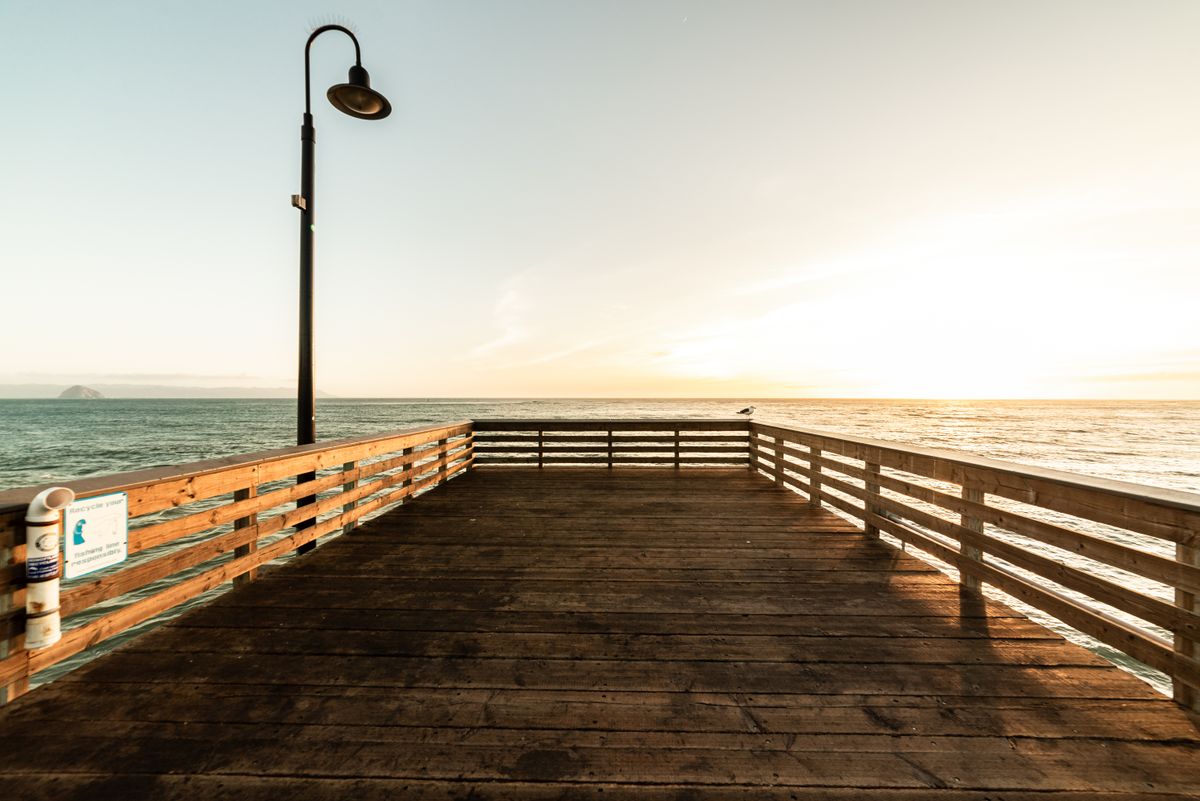
Cayucos — this is the coast these pages are about.
Quick answer: Revegetation & Native Planting — The tree that thrives here is the one chosen for this coast: fog, salt, wind and shallow soil are the local constraints, and mature size is the constraint most often ignored. Planting is a matter of putting the right species in a site that can hold it, then keeping the root flare visible and the first summers watered.
- Typical timing: Autumn planting, so winter rain does the establishment work; the first two summers decide the tree.
- What it involves: Matching mature canopy and root spread to the space, planting at the depth the tree grew in, and staking only when it is needed.
- The standard: Cal Poly’s SelecTree species data and university extension planting guidance.
- Where we work: Gardens and acreage from Cambria through Cayucos and Morro Bay.
- Our own record: 503 pages and 291 stories published on this site. Counted from our own archive, not a stock table.
Field note. What we see is that the coast is forgiving to the right species and unforgiving to the wrong one: the same tree that looks comfortable four streets in will burn on the windward side of a Cambria lot.
On the other hand, natives are not automatically the answer at every address — a species that belongs in the watershed can still be the wrong size for the garden it is standing in.
Bare Ground Never Stays Bare
Bare ground on this coast does not stay bare for long. It fills with whatever arrives first, and on the cleared bluff edges and graded hillside lots around Cayucos what arrives first is almost always broom and wild radish. Revegetation and native planting is the work of choosing what comes back instead, with species that belong to this wind, this salt and this rainfall.
It is worth doing properly rather than quickly, because the wrong cover costs more to remove than the right cover costs to establish. A slope planted with an aggressive ornamental grass holds soil for two years and then becomes the fire ladder everybody spends a decade fighting.
What Belongs Here
The coast around Cayucos is a fog belt with salt spray and a dry summer, and the species that thrive in it are the ones already growing on the undeveloped stretches: coyote brush, California sagebrush, seaside daisy, lizard tail, blue-eyed grass, yarrow, coffeeberry, toyon and the native buckwheats, with coast live oak, Monterey cypress and the occasional sycamore where there is room for a canopy. On the lighter dune sand, sand-adapted species establish far faster than anything that wants clay.
Seed or Container Stock
Hydroseed and broadcast seeding are cheap per acre and good on broad, gentle faces where rain will do the watering. Container stock costs more and is the only reliable route on steep ground, in wind, or where the plants have to survive a first summer without irrigation. On a small residential slope, a mix is usually right: fast native cover to hold the surface in the first winter, and shrubs planted into it to become the structure.
Establishment Watering, and the Oak Caution
New plantings need water through two summers, delivered deep and infrequent rather than daily. The catch on this coast is the oak. A coast live oak that has grown up on rainfall alone should never be given summer irrigation, and a drip line run through its root zone during establishment can do real harm.
We zone the irrigation away from the oaks and hand-water the edges instead; it is slower and it is the difference between a planted slope and a sick oak.
Cover That Does Not Fight the Trees
Vegetation is the cheapest erosion cover there is, but it has to be chosen so it does not compete with the mature trees you already want. That means low cover under canopies rather than a thicket of saplings, no mounding of mulch or soil against trunks, and keeping the plantings out of the flare area. Where water still has to be moved, the planting follows the drainage work rather than replacing it.
Where It Fits
This is the regrowth half of ground repair. Where the slope itself is unstable, the planting follows the engineering — see slope and bluff stabilization. Where a single tree is being put in rather than a cover established, that is tree planting and installation.
Plan the Planting With Us
Tell us the size of the area, whether it is flat or steep, and whether water is available in summer. Call (805) 927-4414 or use the contact page, and see our services for the rest of the work around Cayucos.
Questions, quotes, or just exploring — we’re here to help.