

The Fourteen-Foot Gap Between Two Houses
Hazardous Tree Removal in Cayucos, CA
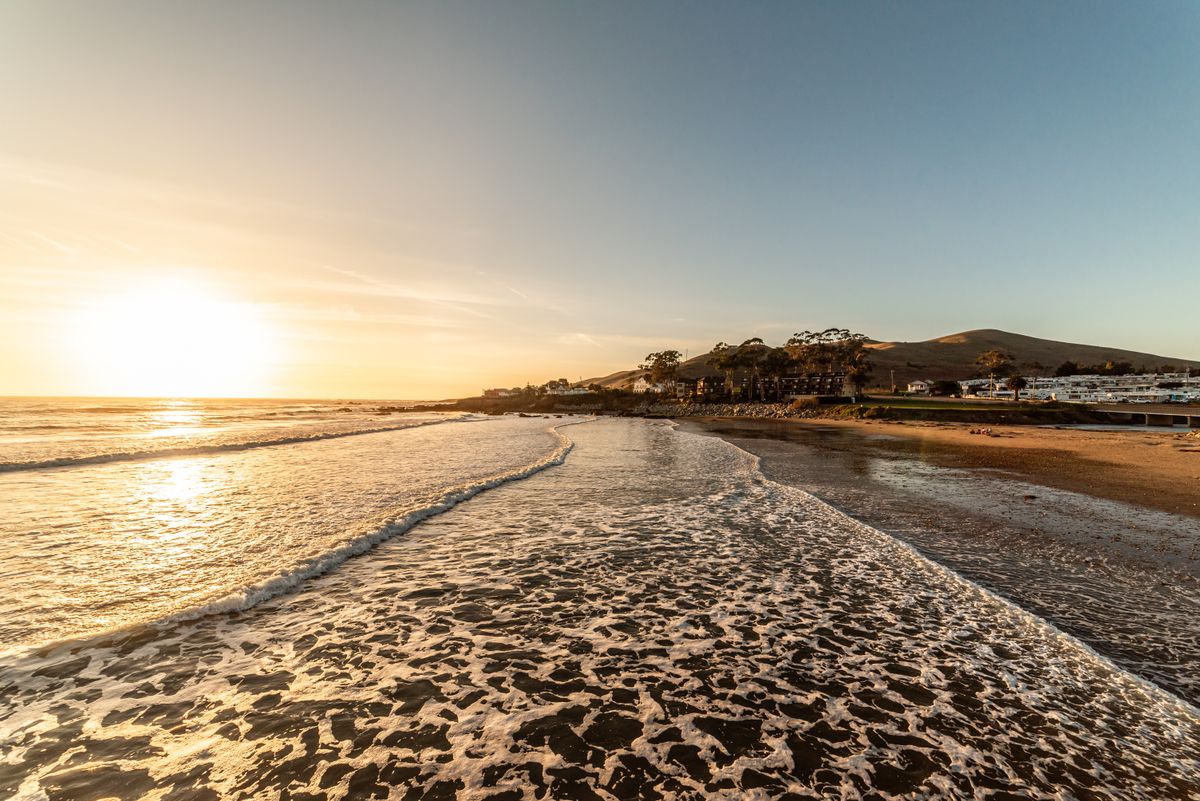
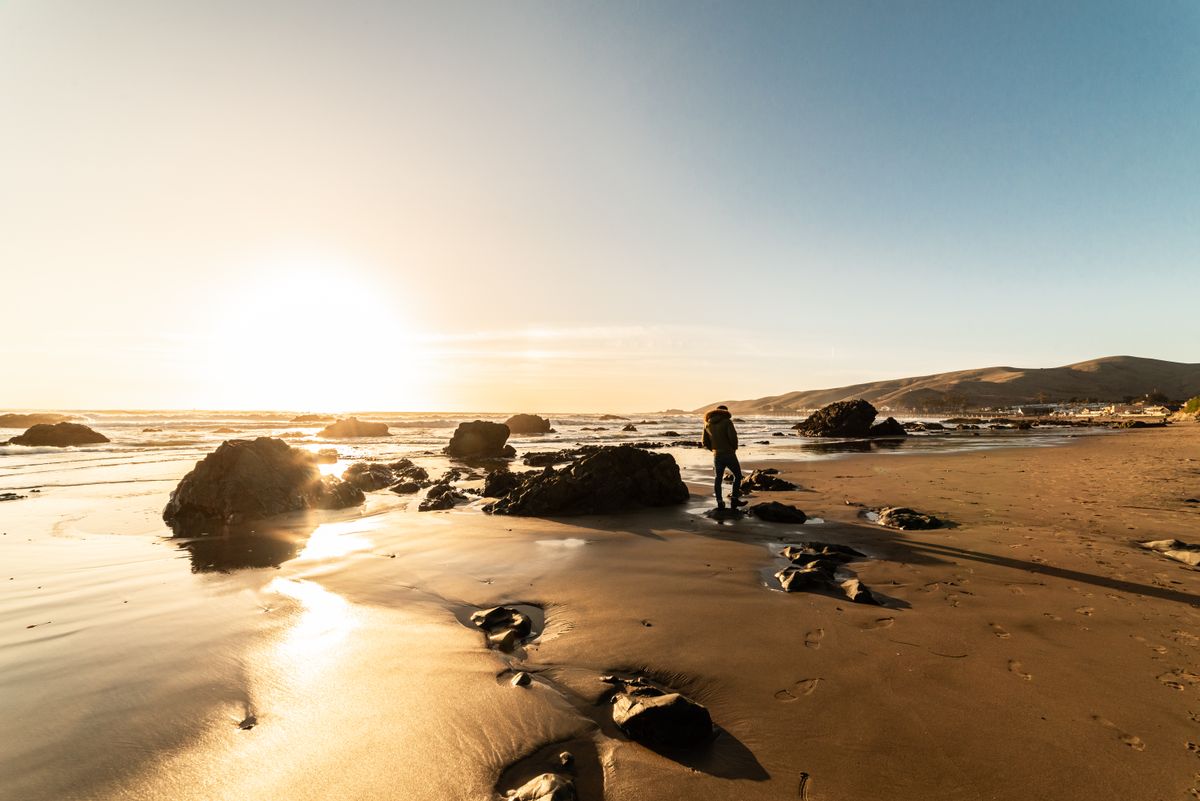
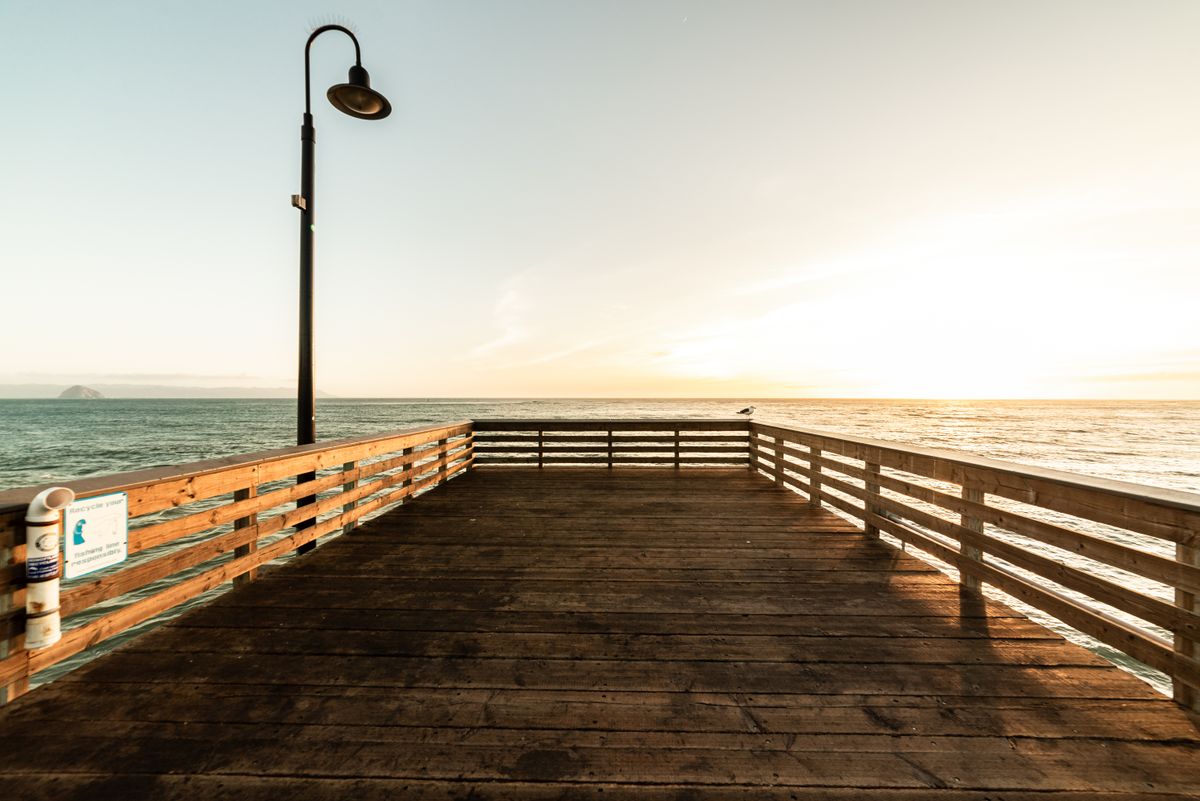
Cayucos — this is the coast these pages are about.
Quick answer: Hazardous Tree Removal in Cayucos, CA — Removing a tree is planning before it is cutting: where the wood lands, what is under it, whether a rope or a crane takes the weight, and what is left when the crew drives away. A removal is finished when the drop zone is clear and the stump is dealt with, not when the trunk hits the ground.
- Typical timing: When the tree is a hazard, the schedule is immediate — storm damage, split leaders and leaners do not wait for good weather.
- What it involves: A written plan for the drop zone, rigging or crane work over structures, protecting driveways and roofs, and deciding the stump’s fate in advance.
- The standard: The ANSI Z133 safety standard for arboricultural operations, and ISA best practice for removals near structures.
- Where we work: Small town lots, coastal acreage and the narrow properties of the Cambria pine belt.
- Our own record: 503 pages and 291 stories published on this site. Counted from our own archive, not a stock table.
Field note. What we see here is that access decides the price more than height does: a pine over a fence on a slope with no driveway costs more to take down safely than a taller tree with a clear drop, and the plan is where that shows up.
On the other hand, removal is not the only safe answer — a tree with one failing limb, or a lean that can be corrected by reduction, is often better kept and managed than gone.
A Fourteen-Foot Gap Between Two Houses
Hazardous tree removal in Cayucos rarely has room to be casual, because the lots between Highway 1 and the sand were platted narrow and the trees were left standing in whatever space was left over.
A Monterey cypress leaning out of a side yard over a neighbour's kitchen, a eucalyptus windbreak that has dropped two limbs onto the same parking pad — those are not trees to fell, they are problems to solve in a corridor with a fence on one side and a bay window on the other.
So the first move on a hazard call here is not a saw. It is deciding on paper how the tree comes apart, and in what order.
Hazard Is About the Target, Not the Tree
The word gets used loosely. A tree is hazardous when it has a defect that could cause it to fail and something worth hitting inside the fall zone. A dead cypress standing in the middle of open dune with nothing under it is not the same job as the same tree over a rental's deck, and the honest response to the first one is usually to let it stand.
What we rate, in order: the target and how often it is occupied, the defect itself, and the time frame. That order matters on a beach block, where summer occupancy changes the answer. A limb that would land on an empty patio in February would ruin a family's August.
Reading the Failure Before It Happens
- Lean that has changed. A curve the tree grew is fine. A hinge that opened this winter shows fresh soil at the base, a ring of cracking in the duff, and a fence or wall line that no longer meets.
- Included bark. Two stems pressed together with bark trapped in the union is the most common failure we climb near on this coast, and no amount of pruning removes it.
- Cavities and conks. A fungal conk at the base is a diagnosis, not a decoration. It says the wood that holds the tree up is being digested.
- Cracks and seams. A vertical seam on a main stem is the one finding that usually ends the conversation and sends us to a written assessment first.
How a Narrow-Lot Removal Actually Runs
Dune sand drains beautifully and grips poorly, which shapes the whole job. A truck parked on the sand above the beach will sink, so access is planned before the crew arrives. On the hillside streets above the pier the slope decides where the chipper can stand and how far the rigging has to reach.
For a tree that cannot be climbed safely we work from the ground with a crane, lifting the crown in sections.
Where the gap is too tight for a crane pad, everything comes down on ropes — a block and a friction device at the top, a lowering line back to a pretensioned anchor, and a person on the ground whose only job is the rope. The pieces come off small enough that a mistake costs a shrub and not a roofline.
What We Tell You to Do Instead
Not every hazardous tree has to come out, and the fleet answer costs you a tree that did not need to go. Where the defect is confined to one stem, removing that stem can be the conservative choice. Where the risk sits in a fork, a support system may buy years.
Where the tree is holding a slope above the street, taking it off may leave the hillside worse off than the tree was — in which case we say so and look at the ground instead.
If the decision genuinely turns on something inside the wood, we bore or scan it and put the result in a written risk assessment you can hand to a carrier or a buyer.
Call It In
Tell us the address, what the tree is leaning over, and whether anyone is sleeping under it. A photograph from the street side saves a trip. Call (805) 927-4414 or use our contact page, and start at our services for the rest of what we do along this stretch of coast.
(805) 927-4414