

Erosion Control on Cayucos Slopes, CA
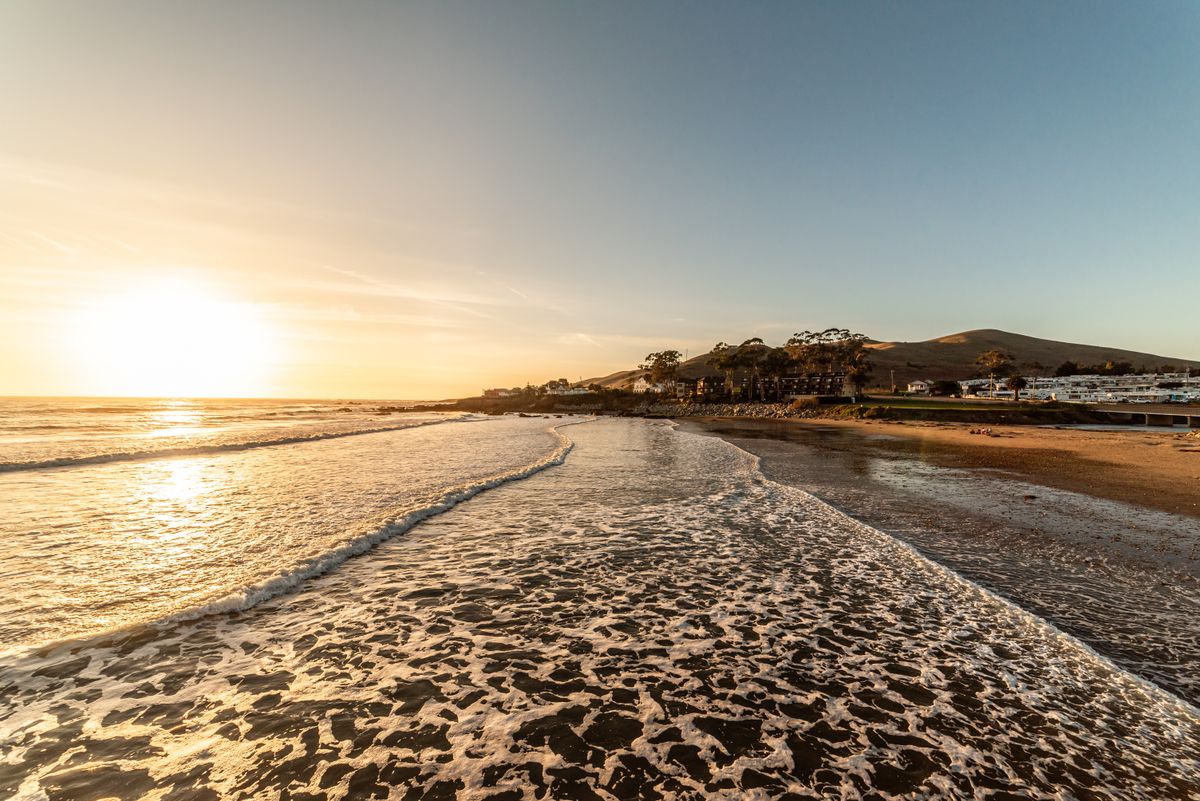
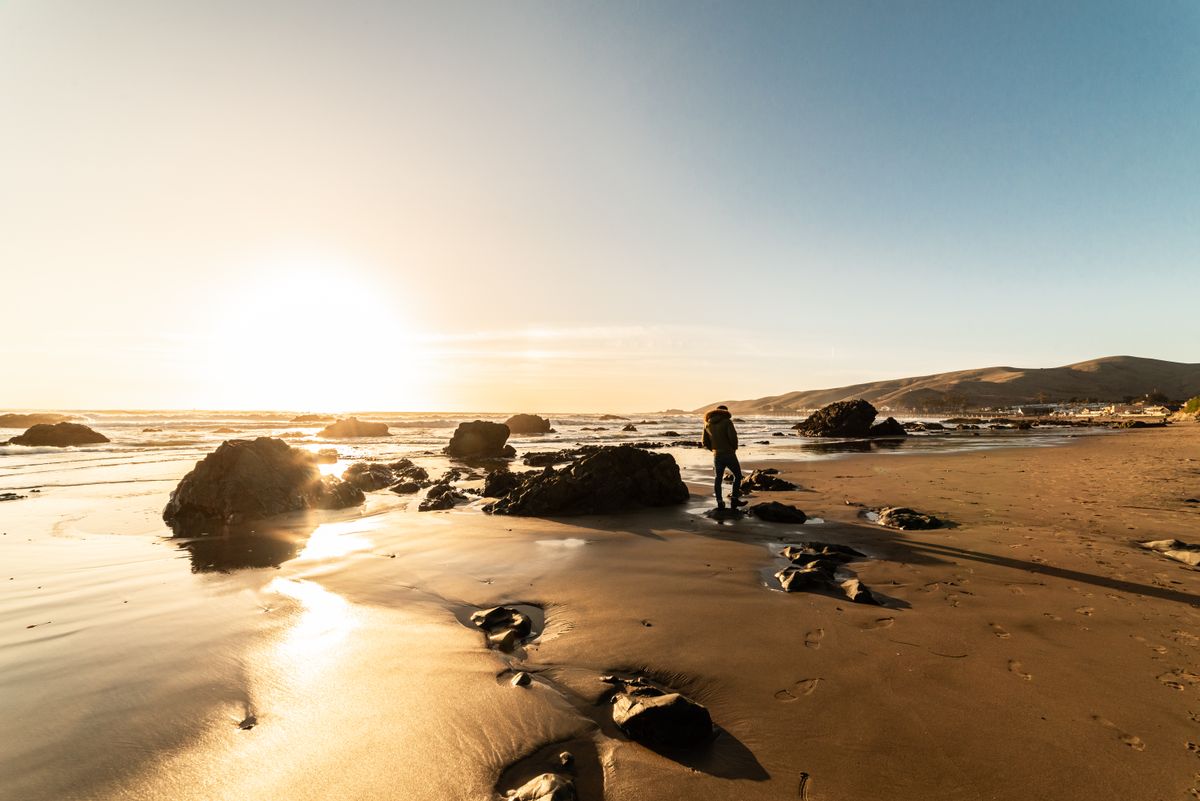
Cayucos — this is the coast these pages are about.
Quick answer: Erosion Control in Cayucos, CA — Trees on this coast live with fog, salt, wind and thin soil, and the work that keeps them healthy is decided by those conditions rather than by a calendar written inland. Structure, clearance and the root zone are what a tree here needs looked at, and small work done early is what keeps a tree out of the emergency list.
- What it involves: Structural pruning, clearance from structures and wires, deadwood removal, root-zone care and hazard assessment.
- Typical timing: Structural work in the dormant months; deadwood, clearance and hazard work whenever the tree needs it.
- The standard: The ISA standards for pruning and tree risk assessment, applied by ISA-certified arborists.
- Where we work: Cambria, San Simeon, Harmony, Cayucos, Morro Bay, Los Osos and the Cambria pine belt.
- Our own record: 503 pages and 291 stories published on this site. Counted from our own archive, not a stock table.
Field note. What we see on this coast is that the trees people worry about are usually not the ones in trouble: the pine with a clean crown and a lean that predates the house is often sounder than the tidy tree that has been quietly drowning in its own root zone.
On the other hand, there is no schedule that suits every tree — the same species on two sides of one street can need opposite care, which is why we look before we recommend.
In Cayucos the water always has somewhere to go, and the shortest version of the erosion story is that removing a tree changes where it goes. Cayucos Creek and Old Creek cut through town to the bay. The hillsides above town are steep enough to shed water in sheets. The bluffs at the north end hold the edge of everything behind them.
A tree on any of those sites is a hydraulic structure as much as a plant, and when it comes out, what holds the soil outlives it by only a few years.
What happens after a tree comes off a slope
Roots are structural for as long as they are alive. When a tree is removed, the fine roots in the soil begin to decay immediately, with the larger roots following over the next three to seven years. The soil that was knitted together loosens, and rain that used to be intercepted and infiltrated starts running off. On a gentle lot the result is a slow settling that nobody notices.
On a slope above a driveway, a creek bank or a structure, the result is rill, then gully, then a bank that has to be rebuilt instead of planted. The calculation is not anti-removal — it is just a sequence, and the sequence can be managed.
How to plan the transition
The first principle is to phase the work. Stripping a whole bank of trees in one season is the single biggest mistake; taking the trees in stages lets the remaining vegetation hold the ground while new cover establishes. The second principle is to leave what can be left.
On a bank, a stump and its roots can be left in place as a physical key, cut low and treated rather than ground out — the wood decays slowly and the root mass keeps working. Grinding stumps on a steep bank is a habit imported from flat yards, and it is often the wrong call here; our stump grinding page explains when the opposite is true.
The third principle is that plants do the long-term work that rock and fabric cannot. Deep-rooted natives — willows and sycamores along the creek, oaks where the slope allows, native grasses and rushes at the toe — bind soil in place with roots and slow the flow with stems.
Biotechnical methods like brush layering, live staking and coir rolls are standard on California creek banks for exactly this reason: they fail softly and grow stronger, unlike a hard wall that simply concentrates the water's energy at its base and eventually undercuts.
Rules that apply
Creek and bluff sites in and around Cayucos carry their own layer of rules. Work in a waterway or its bank, and the county, the California Department of Fish and Wildlife and — depending on the situation — the Coastal Commission and the Army Corps of Engineers can all have something to say before a shovel moves.
The rules exist because unpermitted bank work is one of the most common causes of the next flood, and because a creek is a shared system, not a private ditch. We plan creek and bluff projects with the permits in the picture from the first conversation, and we are honest about timelines — the approvals are part of the job, not an obstacle to it.
If a tree is coming off a slope at your place, or a bank is already showing the first rill after last winter, the moment to plan the transition is before the next rain, not after it. One visit can set the sequence: what leaves now, what stays, what gets planted, and what gets a permit first.
Questions, quotes, or just exploring — we’re here to help.