

The Cheapest Risk You Can Buy on a Mature Tree
Deadwooding in Cayucos, CA
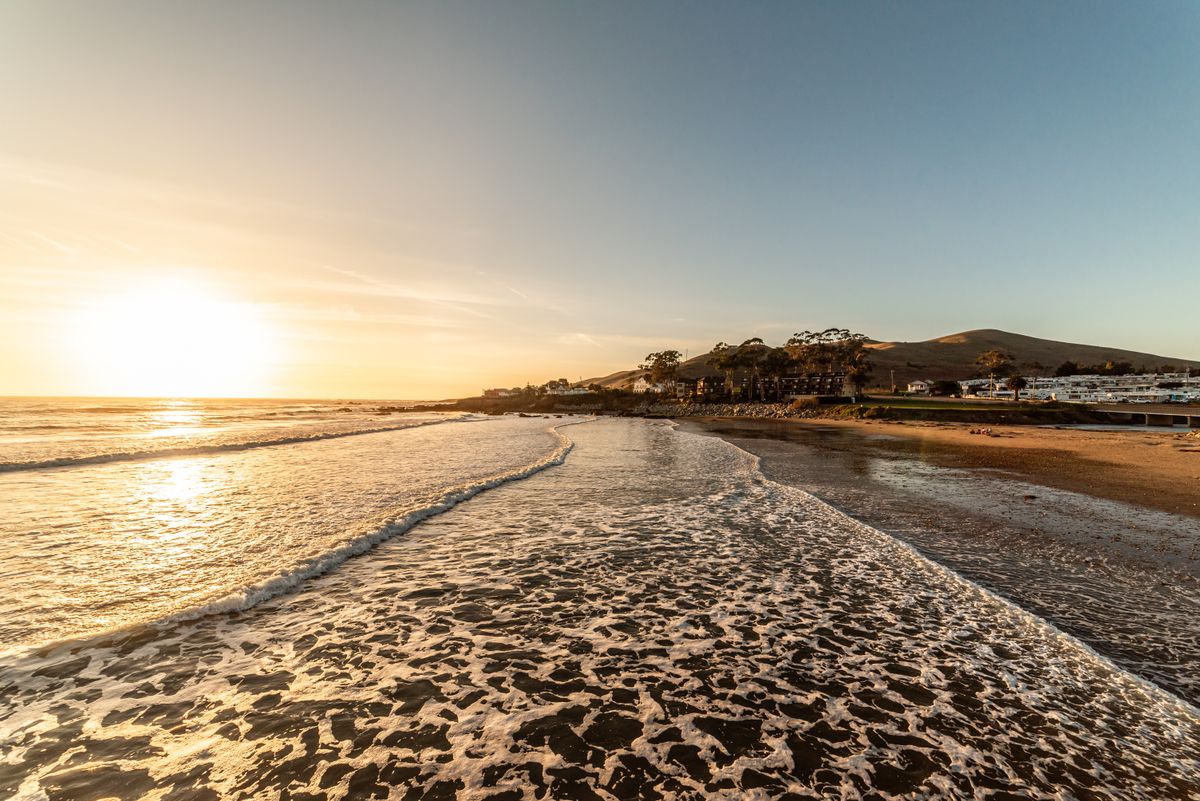
Cayucos — this is the coast these pages are about.
Quick answer: Deadwooding in Cayucos, CA — Pruning is a plan before it is a cut: deadwood and broken limbs first, then clearance from roofs, wires and paths, then the structure the tree will carry for the next decade. The right cut heals and the wrong one invites decay, which is why the order matters more than the number of cuts.
- Typical timing: Structural work in the dormant months, light clearance and deadwood any time the tree is not under stress.
- What it involves: Removing dead and crossing limbs, thinning to let light through, lifting low limbs for clearance, and never topping a tree.
- The standard: The ANSI A300 pruning standard as applied by ISA-certified arborists — including the three-cut method on every limb worth saving.
- Where we work: Cambria, San Simeon, Cayucos, Morro Bay, Los Osos and the towns between.
- Our own record: 503 pages and 291 stories published on this site. Counted from our own archive, not a stock table.
Field note. What we see on this coast is a pruning calendar that does not match the inland one: salt air, fog and wind mean a cut that would be minor in the valley can be the one that opens a crown to decay here, so we look at the species and the exposure before the season.
On the other hand, not every tree wants to be pruned: leaving a healthy canopy alone is a decision that pays, and a tree with plenty of space is often better served by doing nothing.
Deadwooding in Cayucos is the least fashionable service we offer and the one with the best return. Nothing about the tree changes visually — no reshaping, no shortening, no new structure — and the property is materially safer when we leave. What comes out is the material that was going to fall on its own schedule anyway, and on a coast with this much wind, that schedule is not long.
On a mature cypress or pine behind the beach lots, a single visit to remove the dead and broken wood is usually a fraction of the cost of the repair that one dropped limb causes.
Telling Dead Wood From Live Wood
The distinction is not as obvious from the ground as people assume, and getting it wrong in either direction has a cost. Dead wood has lost its bark attachment and often its bark, so it reads duller, greyer and lighter than the branches around it, and it does not carry the swelling the tree builds at a live branch base.
On cypress the dead material goes rusty brown in a canopy that is otherwise green; on eucalyptus the dead branches go a bleached silver-grey against the live olive.
A healthy stub is the opposite mistake. A live stub — a short piece left from old work — is ugly but it is attached, and removing it is optional. A broken hanger, caught in the crown and held by a sliver of wood, is not optional at all. Those are the ones we look for specifically, and they are the ones that are invisible until they land.
Why Dead Wood Fails Unpredictably
Live wood bends before it breaks, which is what gives a climber warning. Dead wood does not. It holds until the load exceeds a brittle hinge and then it goes, all at once, with no creak. That difference is the entire reason deadwooding is done with a rope and a plan rather than a pole saw from a ladder, and it is why the pieces are lowered rather than dropped.
The species on these lots make it sharper. Dead eucalyptus can shatter into sections instead of folding, and dead cypress holds water in its own heartwood and rots at the same time as it dries — a combination that produces the specific failure where the top of a tree comes off on a calm day.
What the Cut Looks Like
A removal cut goes to the branch collar, the ring of swollen tissue at the base of the branch where the tree has already walled off the wood it no longer needs. Cut flush and you take the collar with it, opening a wound the tree cannot close.
Leave a long stub on a live limb and the tree has to spend years sealing wood it never wanted to defend. Neither error is visible from the ground, and both show up a season or two later.
When to Pair It With Something Else
Deadwooding is often the visible half of a bigger answer. If what we find in the crown is more significant than dead branches — an included fork, a hollow, a stem that has cracked — the right next step is a written risk assessment rather than more cutting.
If the dead material is a symptom of a tree that is declining rather than just old, the useful question is what is happening below ground, and that is a health diagnosis. And if the dead wood sits over a roof or a chimney, the clearance itself is worth doing properly in the same visit.
Get the Dead Wood Out
Tell us the species and roughly how much of the crown looks dead, and send a photograph looking up into the canopy. Call (805) 927-4414 or use our contact page, and start at our services for the rest of the maintenance work we do on this coast.
Questions, quotes, or just exploring — we’re here to help.