

The Cypress That Has Not Greened in Three Years
Dead & Dying Tree Removal
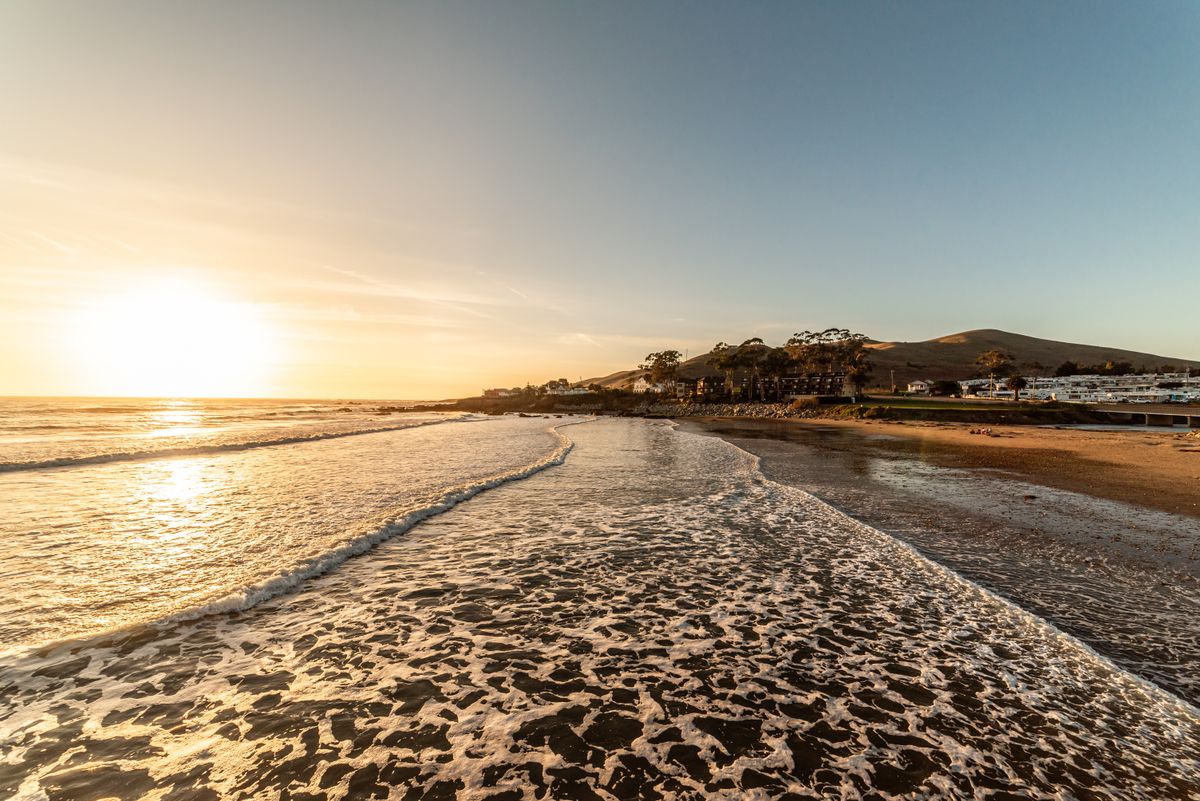
Cayucos — this is the coast these pages are about.
Quick answer: Dead & Dying Tree Removal — The tree that thrives here is the one chosen for this coast: fog, salt, wind and shallow soil are the local constraints, and mature size is the constraint most often ignored. Planting is a matter of putting the right species in a site that can hold it, then keeping the root flare visible and the first summers watered.
- Typical timing: Autumn planting, so winter rain does the establishment work; the first two summers decide the tree.
- What it involves: Matching mature canopy and root spread to the space, planting at the depth the tree grew in, and staking only when it is needed.
- The standard: Cal Poly’s SelecTree species data and university extension planting guidance.
- Where we work: Gardens and acreage from Cambria through Cayucos and Morro Bay.
- Our own record: 503 pages and 291 stories published on this site. Counted from our own archive, not a stock table.
Field note. What we see is that the coast is forgiving to the right species and unforgiving to the wrong one: the same tree that looks comfortable four streets in will burn on the windward side of a Cambria lot.
On the other hand, natives are not automatically the answer at every address — a species that belongs in the watershed can still be the wrong size for the garden it is standing in.
Dead tree removal in Cayucos is usually planned work, not an emergency, and the giveaway is a colour change that happened slowly enough that nobody marked the date.
A Monterey cypress that has gone brown from the top down, a stand of eucalyptus with a quarter of the crowns bare, a pine behind the beach lots that stopped pushing new needles in the last dry cycle — those trees are on a clock, and the clock is not usually running fast.
We say that up front because panic is expensive. A dead tree near a house is a scheduled job with a written plan and a date, and treating it that way gets a better result than an overnight call-out with one truck and one spotlight.
Dead, Dying, or Just Dormant
Before anything is cut, the diagnosis has to be right, because a deciduous tree in February and a dead one in February look identical from the street.
The tests we use are old and reliable: bark scraped with a thumbnail to see whether the cambium underneath is green or dry brown, a twig bent to feel whether it snaps like a dead stick or flexes like a live one, and a look at the buds, which a dormant tree has made and a dead one never will.
A dying tree is a different conversation from a dead one. Dieback that is progressing — the top going first, then the outer limbs — points at a root or water problem we can sometimes address. A tree that is already dead cannot be treated, only removed on a sensible schedule.
Why Dead Wood Is Harder to Work
Dead wood is brittle wood, and that single fact changes the whole job. Live limbs bend and give warning; dead ones hold until they do not, and a climber tied in to a dead stem is trusting a hinge that has no fibres left to resist a shock load. The species matters too.
Dead eucalyptus here can shatter rather than hinge, which is why a eucalyptus on these hillsides often comes off in crane-sized pieces from the ground instead of being climbed.
Two consequences follow, and both are honest reasons the job costs more than a live removal of the same size:
- Rigging changes. Lowering points are chosen on the stem below the dead section, or on a second tree, because the dead stem will not take the load.
- The debris is lighter but dirtier. Dead material makes poor mulch and burns fast, so it is usually chipped and hauled rather than left in place.
Beetle Kill and the Dry Years
The bark beetle losses inland are now visible from the coast road, and the pattern is familiar: a run of dry winters stresses the pines, the beetles finish what the drought began, and the tree is dead standing before anyone notices it changed. On the beach blocks and the bluffs the same stress shows up as dieback in cypress and pine that were planted as windbreaks and never irrigated once they established.
Standing dead trees in a windbreak are worth treating as a group rather than one at a time. Remove the worst and the windbreak loses its shelter; remove none and every storm is a coin toss over the parking pad. We work through that trade with you rather than quoting a single tree.
What Removing One Actually Involves
The work itself is controlled dismantling — the same rigging and lowering as any removal, at a slower pace, with fewer assumptions. Stumps are ground below grade, the spoil comes out, and the hole is closed so the sand does not settle into a dip. On a Cayucos lot the access question usually decides the equipment, not the tree.
If the tree that died is the second or third on the property in a few years, the useful question is not which tree is next but what the site is doing wrong — and that is a tree inspection rather than a removal.
Book a Look
Send a photograph of the whole tree and tell us how long it has looked that way. Call (805) 927-4414 or use the contact page, and see our services for the rest of the removal and maintenance work we do here.
Questions, quotes, or just exploring — we’re here to help.