


Clearing a Lot Without Losing the Oaks
Land & Lot Clearing in Atascadero, CA
Atascadero — this is the coast these pages are about.
Quick answer: Land & Lot Clearing in Atascadero, CA — Most tree trouble on the Central Coast is identified before it is treated: a borer, a canker and a drought-stressed root system can look the same from the ground, and each has a different answer. Diagnosis is the first cut — host, sign and season — and the least-toxic control that fits comes after it.
- Typical timing: Monitoring from bud break; fungal problems follow the wet spring, borers the dry summer and the stressed tree.
- What it involves: Identifying the host and the organism, judging whether the tree can compartmentalise the damage, and removing what cannot be saved.
- The standard: UC IPM pest notes and the ISA standard for hazard assessment.
- Where we work: Cambria and the coastal oak, pine and cypress stands around it.
- Our own record: 503 pages and 291 stories published on this site. Counted from our own archive, not a stock table.
Field note. What we see on this coast is that the tree under fog is often the healthier one and the tree on a hot exposed edge is the one that gets hit — stress is the invitation, and the coast hides it well.
On the other hand, treatment is not always the kindest answer: for a hazard tree with internal decay, careful removal protects the neighbours, and replanting does more for the site than a season of injections.
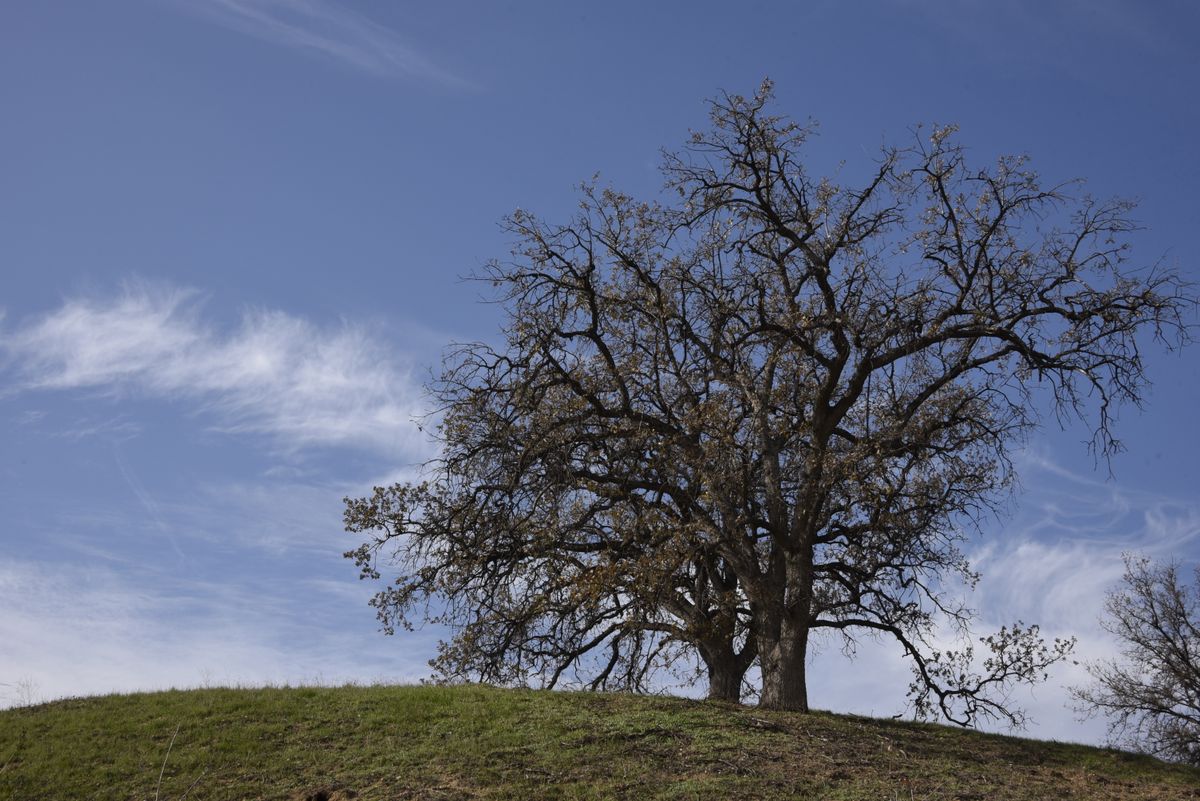
Clearing a lot in Atascadero is a different exercise from clearing one on the coast, because the valuable thing on the parcel is usually already there: mature valley oaks and coast live oaks that took a century to grow and would take another one to replace. A lot clearing job that starts with the dozer and ends with a bare pad has destroyed the reason the parcel was worth buying.
So the first day on a property here is spent marking what stays — the oaks with sound flare, the heritage trees the city or the county protects, the screening that keeps the neighbour's view from becoming yours — and only then deciding what goes.
What clearing is actually for
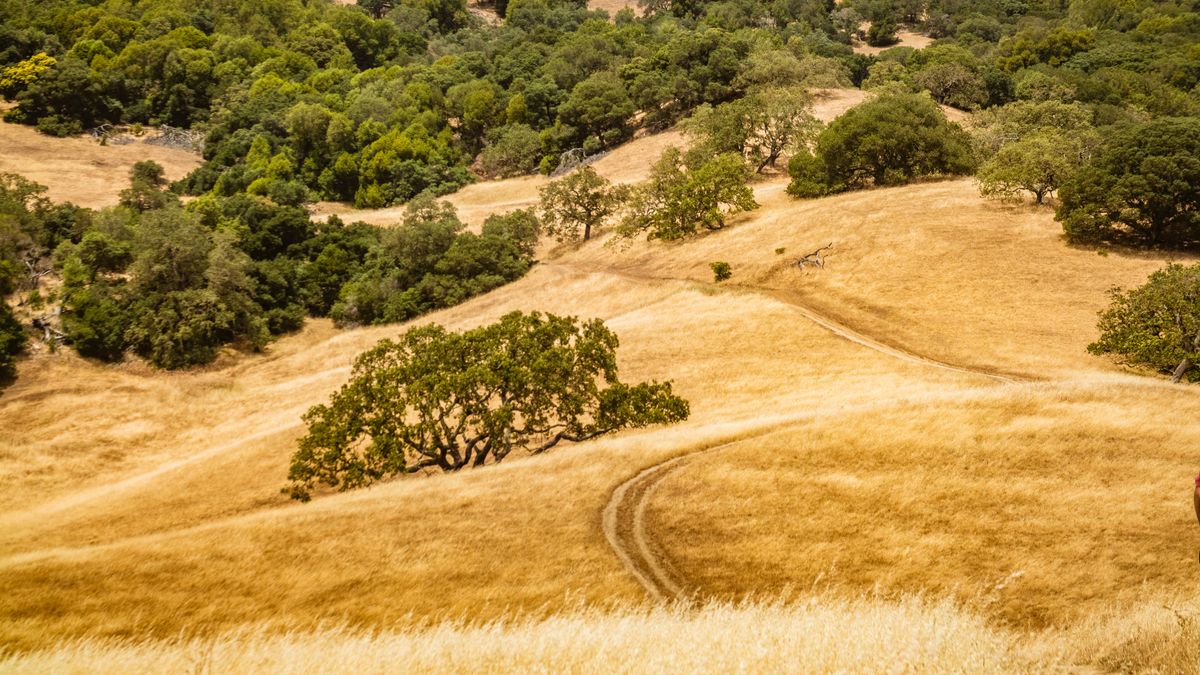
Three jobs wear the same name. Building sites get grubbed and shaped before a foundation, and the sequence matters because grading after clearing on clay compacts the root zones of everything left standing. Pasture and rangeland get cleared of encroaching brush and scrub oak so grass can come back.
And fuel-reduction clearing takes brush and ladder fuels out of oak woodland to protect a structure. The first two are a once-a-generation job; the third grows back and belongs in a cycle.
The retention plan is the whole job
Marking is not a formality. The trees to keep get flagged, their critical root zones get measured out with a tape, and the path for equipment gets decided so that nothing tracked drives over the area the tree feeds from.
On the clays here that root zone is broad and shallow, and one wet-season pass with a loaded machine can seal it for a decade. Where access forces equipment across a root zone, mats and a defined lane cost far less than the tree.
Rules that get discovered late
Atascadero has its own tree permit process inside the city and the county has its standards outside it, and both treat native oaks differently from ornamentals. Clearing for a building permit often needs the tree question answered as part of the site plan rather than after it, and the county will want to see what is being retained and how it is being protected.
We read the site with the owner before any equipment is booked — see permits and tree ordinances — because a stop-work order on a cleared pad is an expensive way to learn the rules.
What happens to the material
Slash is the practical limit on most jobs. Chipping on site and leaving the chips as a mat on the cleared ground is usually the right answer on a slope, and hauling is the right answer near a structure or where the volume is too great to spread.
Burn piles are seasonal here and need to be monitored; a late-season burn on a hot north wind day is how a clearing job becomes a fire story. See chipping and debris haul-away and, where the chips are worth keeping, mulching.
Bare ground is a liability in this county
Clearing a slope and leaving it bare hands the soil to the first atmospheric river, and the clay here will oblige. Erosion after clearing arrives as rills in the first storm and gullies by the third, and by then the topsoil is gone and the fix is structural. Where the ground is exposed after clearing, the planting and the mat go on in the same season, not the next — see erosion control.
Field note — Samuel Delacroix marks the keepers with the owner walking the fence line, because the tree someone loves is the one that gets left alone two months later.
Tell us the acreage, what the parcel is for, and what you want standing when it is done. Call (805) 927-4414 or use the contact page and we will walk it with you before anything is flagged.
Questions, quotes, or just exploring — we’re here to help.