Sheet Mulching: Cardboard, Depth and the Weed Seed Bank
Quick answer: Sheet Mulching: Cardboard, Depth and the Weed Seed Bank — Mulch is the cheapest thing that happens to a tree: a flat layer over the root zone holds moisture through the dry season, keeps the soil temperature steady and feeds the soil life the tree depends on. Almost every mulch problem is a depth problem or a contact problem — too thick, or piled against the trunk where the bark has to stay dry.
Field note. What we see most on this coast is not too little mulch but too much, in the wrong place: the volcano against the trunk that keeps the bark wet through the fog season and invites rot where the tree cannot show it until the canopy thins.
On the other hand, a thin ring of the wrong material is worse than none at all — matted, water-repellent mulch sheds the rain it was meant to store.
Sheet mulching is the least glamorous technique in gardening and one of the few that reliably converts lawn into bed without a machine. The principle is simple: exclude light, bury the seed bank, and let worms and fungi do the digging. The execution has four failure points.
One: the overlap
Cardboard must overlap by at least six inches at every seam, and more at a corner. A single gap is a chimney of light, and the grass underneath will find it. Remove tape, staples and labels; they do not break down and they are miserable to find later. Flatten the boxes and wet them as you lay them, or the wind will take the whole sheet across the yard.
Two: the depth on top
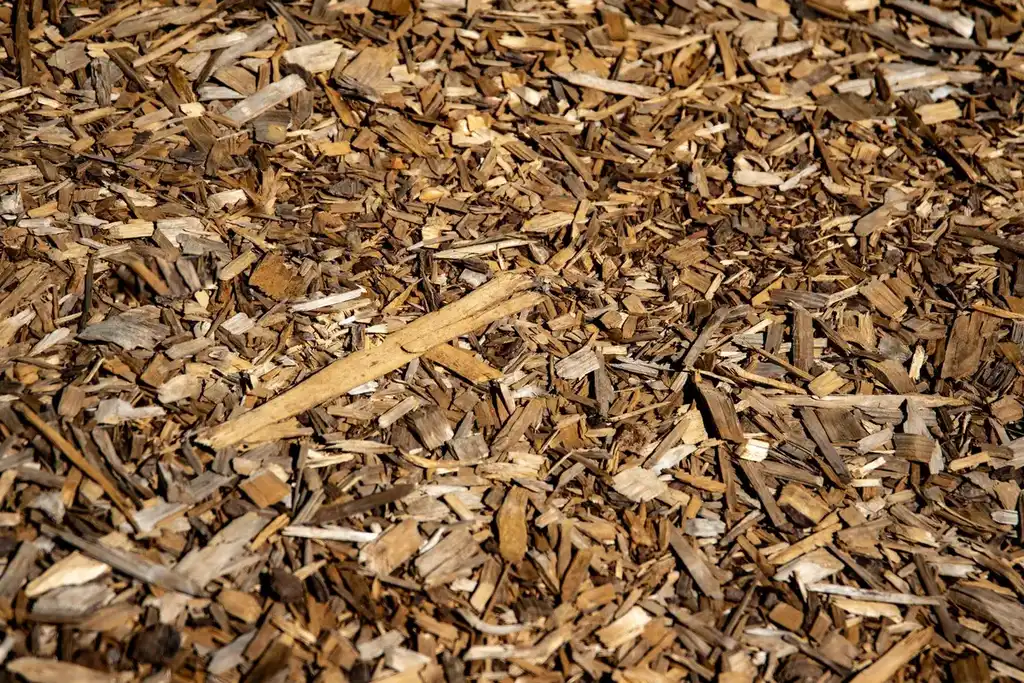
Four to six inches of coarse material on top of the cardboard, not two. The layer has to hold the cardboard down, exclude light at the edges, and provide the volume that roots will eventually occupy. Chips, compost, or a mix of both; the coarse material is what makes the bed plantable in the same season.
Do not use a thin layer of fine compost. It dries, curls at the edges, and the cardboard lifts in the first wind.
Three: the weed you cannot smother
Cardboard works on grass, annual weeds and most perennials. It does not work on Bermuda grass, bindweed or anything that runs underground with stored energy. Those push through a seam or run under the sheet for a metre and emerge at the edge. If they are present, remove them first or accept that you are managing them, not eliminating them.
Four: the seed bank, and time
Every bed has a reservoir of weed seed in the top few inches, some of it viable for decades. Sheet mulching does not kill it; it buries it and waits. The first season is usually clean. The second is where the bank spends itself, and that is the season to be diligent about pulling before anything sets seed.
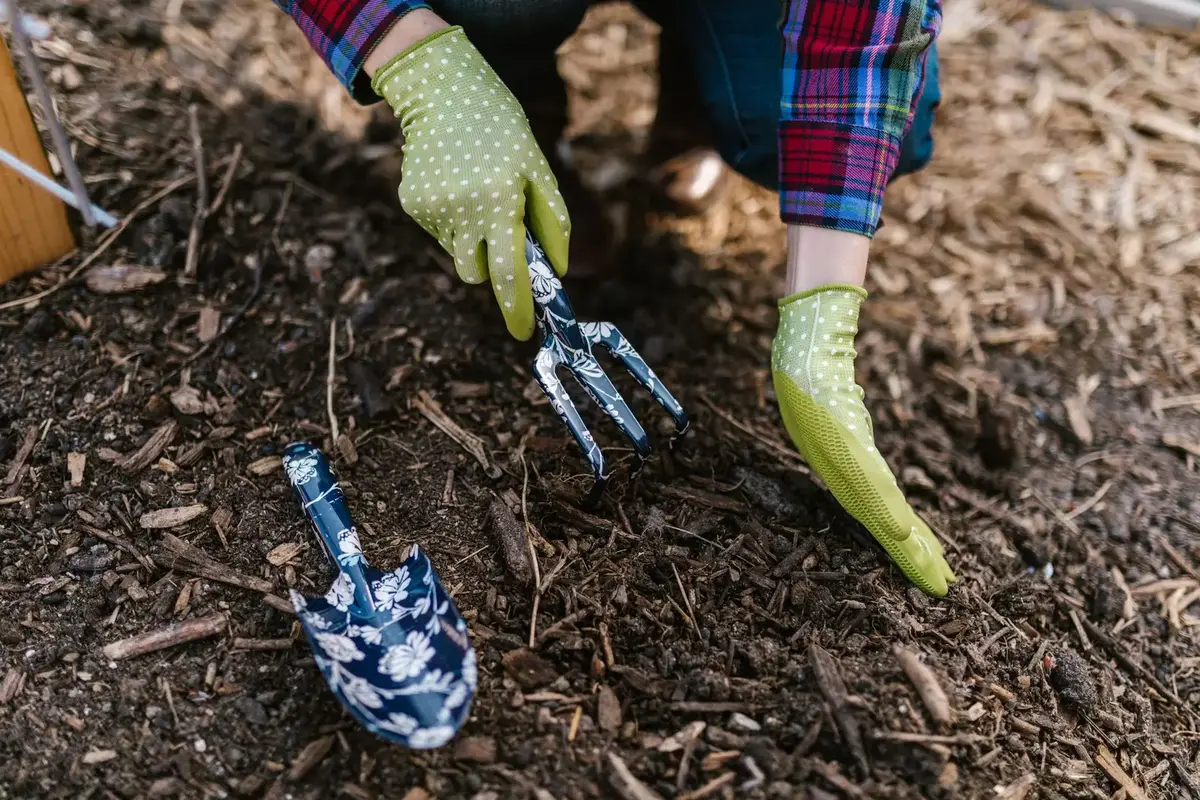
Plant through the sheet by cutting an X and folding the flaps back, not by digging a hole through the cardboard. Disturb as little as possible. The bed is being built by the organisms underneath, and every excavation resets the process.
What to plant through it in the first season
Transplants, not seeds, in the first year. A seedling started in the sheet has to root through cardboard, and most will not. Cut an X, fold the flaps back, set a pot-grown plant into the soil below, and close the flaps around the stem — the sheet keeps weeds off the new plant while it establishes.
Shallow-rooted annuals and herbs do best: lettuce, basil, calendula, strawberries. Anything with a deep taproot will find the cardboard and stop. Wait a season for those, or cut a wider opening and backfill with compost so the root has somewhere to go.
Six months in, lift a corner of the cardboard that is still visible. If it is full of worm casts and pale roots, the technique worked. If it is intact and dry, the layer above was too thin or the site too exposed, and the fix is more material, not more time.