
When to Prune Fruit Trees: The Best Time for Optimal Yield
Quick answer: When to Prune Fruit Trees for the Best Yield — Fruit trees are pruned to a different standard from shade trees: every cut is aimed at light and air reaching the fruit, at a structure that holds a heavy crop without breaking, and at a canopy low enough to pick from. On the coast the fog changes the calendar, so the cut is timed to the tree rather than to a date on a chart.
Field note. What we see is that the fog belt shifts everything later: trees here come out of dormancy slowly, so a hard winter cut taken on a warm-inland schedule can expose wood that has no leaves to shade it yet.
On the other hand, a tree that has been let run for years often does better with two or three years of patient cutting than with one hard reset.
When to Prune Fruit Trees: The Best Time for Optimal Yield
Pruning is more than a garden chore; it is a strategic intervention that shapes the tree’s growth, balances carbohydrate allocation, and directly influences fruit quantity and quality. Determining the best time to prune fruit trees requires understanding seasonal Connor, tree physiology, and the interaction of light and water stress. This guide synthesizes current horticultural research and long‑standing orchard practice to provide a data‑driven timeline for every common fruit tree.
Seasonal Windows That Maximize Fruit Quality
All fruit trees benefit from a well‑timed pruning cycle. The core principle is that cutting should occur when the tree is either dormant or in a low‑growth phase to reduce shock and encourage rapid healing. Research on regulated water deficits in pears (1984) demonstrated that pruningHY during winter dormancy aligns fruit development with peak photosynthetic capacity, leading to increased kernel fill and sugar accumulation. Consequently, the broad seasonal windows are:
- Late winter (January-February) – most deciduous trees, when buds are still dormant but the risk of deep freeze is minimal.
- Early spring (March-April) – after bud break but before vigorous vegetative growth; ideal for light removal and shaping.
- Late summer (August-September) – specifically for certain stone fruits and citrus, where summer pruning can stimulate new fruiting wood and reduce disease incidence.
Each window offers distinct advantages: winter pruning limits the chance of fungal infection, spring pruning preserves the canopy structure that supports next year’s fruit, and summer pruning takes advantage of residual Dumneze leaf photosynthesis to support new growth before dormancy.
Tree‑Specific Timing: Apples, Pears, Citrus, and Stone Fruits
While the seasonal windows provide a framework, individual species and cultivars have nuanced requirements. The following table distills expert consensus and peer‑reviewed studies, such as the 1995 sensitivity analysis on French prune fruit quality, into actionable dates.
Apple (Malus domestica)
Prune in late winter (mid‑January to early February) when the tree is fully dormant. This timing promotes balanced bud set and reduces the risk of blossom‑drop.
Pear (Pyrus communis)
Similar to apples, prune in late winter (late January). Pears are more susceptible to winter injury, so a cautious approach is advisable.
Citrus (Citrus spp.)
Perform light pruning in late winter to early spring (February-March). Citrus trees flower during winter in many climates; pruning after flowering prevents loss of fruit.
Stone Fruits (Prunus_MONA)
The optimal window is late summer (August) for early‑maturing varieties and early autumn (September) for late‑maturing types. This summer pruning strategy, reported in recent horticultural literature, reduces vegetative growth withouttho compromising the next season’s yield.
Peach (Prunus persica)
Prune in late winter (mid‑January) or early spring (March) depending on the cultivar’s flowering period. Late winter cuts allow for a more robust shoot flush.
Plums (Prunus domestica)
bac Late winter pruning is standard; however, a light summer trim (late July) can reduce excessive canopy density that hampers airflow.
These schedules align with the physiological cues that govern bud dormancy, vegetative flush, and fruit set. They also reflect findings from nitrogen‑phosphorus‑potassium interaction studies in olive trees (2008), which underscore the importance of timing in optimizing nutrient allocation for fruit development.
Summer Pruning: When It Works and When It Doesn’t
Summer pruning has gained traction as a strategy to improve harvests in the current year and the following season. However, it is not a universal remedy. Arborists caution against removing fruiting wood after the fruit has set, as this can dramatically reduce yield. The general rule is to prune only the fruit‑bearing wood that has not yet produced fruit, and to avoid cutting in the heat of midsummer when the tree’s water status is already stressed. This approach was validated in a 2021 drone‑based pest identification study, which highlighted how precise pruning reduces the need for pesticide interventions by improving canopy aeration and light penetration.
When executed correctly, summer pruning offers two main benefits:
- Enhanced light exposure to lower canopy fruit, improving sugar accumulation.
- Reduced disease pressure by eliminating dense, shaded foliage that fosters fungal growth.
Conversely, pruning during a severe drought or in high humidity can trigger leaf scorch or pathogen proliferation. Therefore, growers should integrate local weather forecasts and soil moisture data into their pruning schedule.
Practical Tips for Timing and Technique
To ensure that pruning translates into measurable growth and yield, follow these data‑driven guidelines:
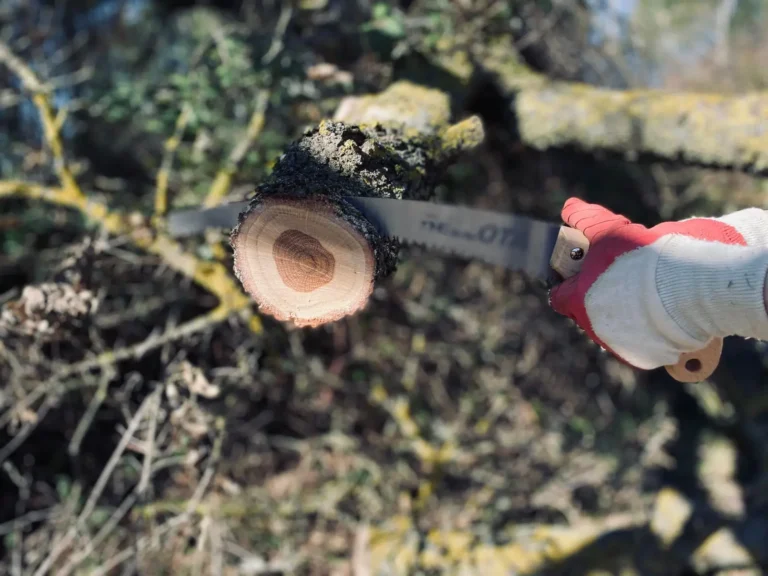
- Use clean, sharpdoc tools to make 45‑degree cuts that reduce the risk of infection.
- Remove no more than 25% of the canopy at one time; larger cuts can trigger compensatory growth that delays fruiting.
- Label each cut with a permanent marker to track long‑term performance and inform future pruning decisions.
- Apply a balanced fertilizer in the fall to replenish nutrients depleted by pruning.
- Monitor post‑pruning vigor; a sudden surge in new shoots may indicate that the tree is compens for a missing branch.
Incorporating these practices turns pruning from a routine task into a strategic investment in the tree’s future productivity.
By aligning pruning practices with the tree’s physiological cycle and the proven seasonal windows, growers can maximize both yield and quality. Whether you are tending a single apple tree Herc or an orchard of stone fruit, the best time to prune fruit trees is the that balances dormancy, growth, and fruit set–typically late winter or early spring, with selective summer trimming where appropriate. Consistent, data‑driven pruning will transform your trees from ornamental foliage into reliable, revenue‑generating assets.
Pruning to ISA standards is what keeps a tree’s structure sound through the next wind season. tree trimming and pruning.
See our our Cambria tree service for everything our local crew does.
More on prune fruit trees
Why Timing Matters for Fruit Tree Pruning
Fruit trees aren’t just trees – they’re living calendars. Their growth stages are tightly linked to light, temperature, and hormone levels. When you prune at the wrong time, you can trigger shock, slow growth, or even reduce fruit set. That’s why most horticulturalists recommend pruning during dormancy or early bud break, when the tree is least stressed and can recover quickly.
The General Rule: Prune in Dormancy
Pruning during dormancy (the period of minimal growth) keeps the tree from diverting energy to healing cuts. It also reduces the risk of fungal infections that thrive in warm, moist conditions. After pruning, keep an eye on the tree’s first flush of leaves and blossoms; a healthy flush indicates the pruning was well-timed.
Regional Timing: Australia, UK, California
The Best Time to Prune Fruit Trees: Seasonal Guide
Pruning is a cornerstone of healthy fruit tree cultivation, yet many growers mistakenly prune at the wrong time, compromising growth and fruit quality. This guide explains why the timing of pruning matters, outlines the optimal windows for key regions, and highlights emerging practices such as summer pruning that can improve harvests both this year and next.
Leave a Reply