

The Oak Was Here First
Oak Tree Preservation in Atascadero, CA
Atascadero — this is the coast these pages are about.
Quick answer: Oak Tree Preservation in Atascadero, CA — Most tree trouble on the Central Coast is identified before it is treated: a borer, a canker and a drought-stressed root system can look the same from the ground, and each has a different answer. Diagnosis is the first cut — host, sign and season — and the least-toxic control that fits comes after it.
- Typical timing: Monitoring from bud break; fungal problems follow the wet spring, borers the dry summer and the stressed tree.
- What it involves: Identifying the host and the organism, judging whether the tree can compartmentalise the damage, and removing what cannot be saved.
- The standard: UC IPM pest notes and the ISA standard for hazard assessment.
- Where we work: Cambria and the coastal oak, pine and cypress stands around it.
- Our own record: 503 pages and 291 stories published on this site. Counted from our own archive, not a stock table.
Field note. What we see on this coast is that the tree under fog is often the healthier one and the tree on a hot exposed edge is the one that gets hit — stress is the invitation, and the coast hides it well.
On the other hand, treatment is not always the kindest answer: for a hazard tree with internal decay, careful removal protects the neighbours, and replanting does more for the site than a season of injections.
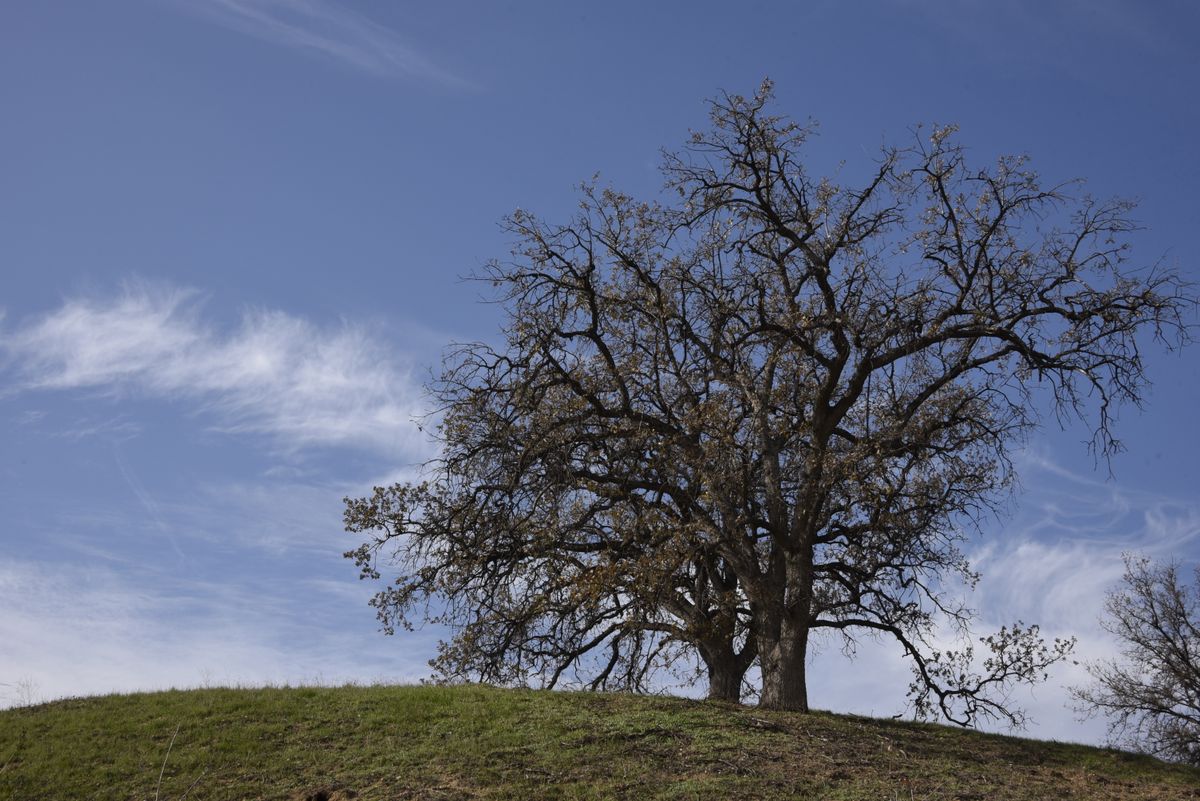
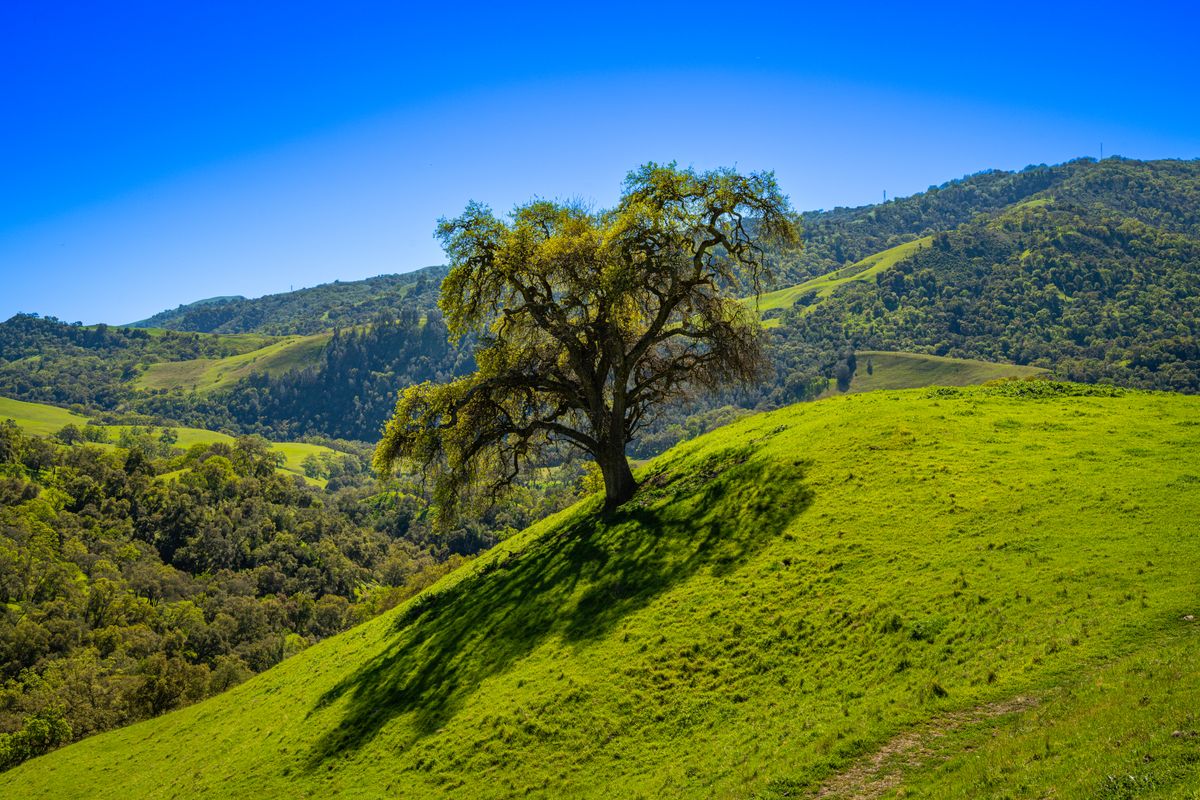
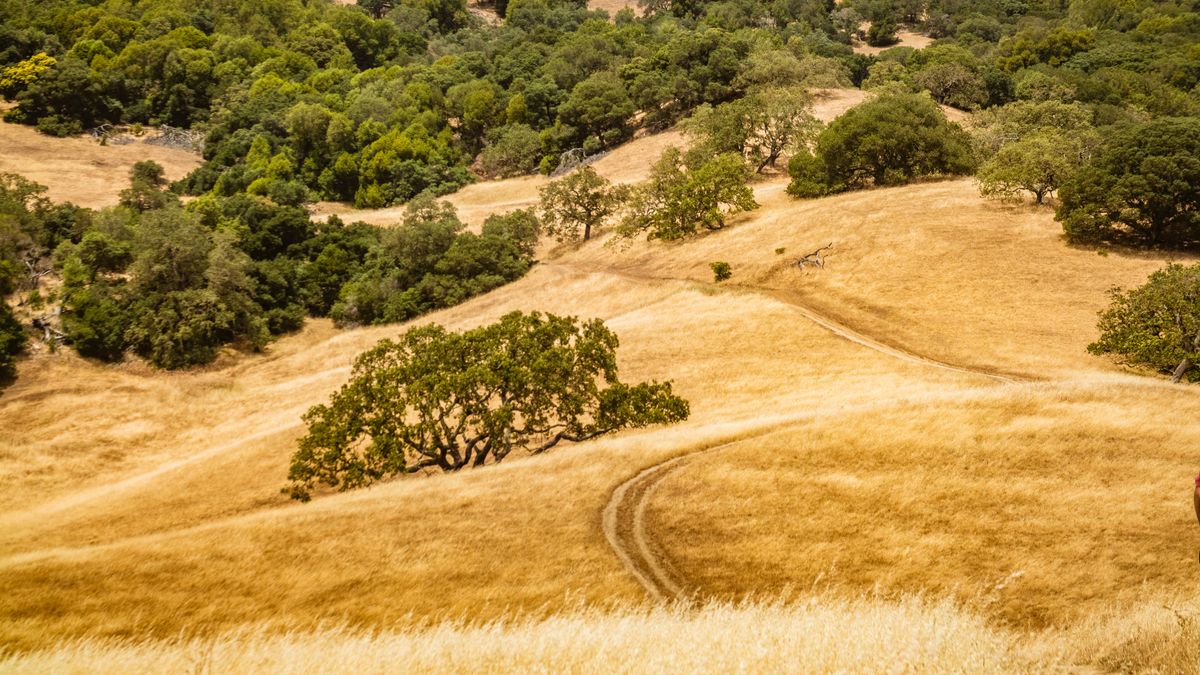
Atascadero is built in an oak woodland, which is a nice thing to live in and a difficult thing to build in. A valley oak or a coast live oak on this clay has spent a century or more putting its roots through the top half-metre of soil across an area far wider than its canopy, and it has done that on a summer-to-winter water cycle that a residential garden breaks.
Oak tree preservation here is not a treatment applied to a sick tree; it is a set of decisions about ground, water and timing that keep a healthy one healthy for another century, and the decisions are easiest to make before the first shovel.
The root zone is the whole argument
Preservation begins with a boundary drawn on the ground: the critical root zone, measured out well beyond the dripline, inside which nothing is driven, stored, excavated, gardened or irrigated. On these parcels it is common for that zone to cover most of a front garden, and the honest implication is that some of what the plan calls for has to move rather than the tree.
Grade changes are the specific killer — raising soil over the flare buries the roots that need air, and cutting a pad lower severs them. Both harm the tree on a delay of years, which is exactly why they are hard to connect back to the decision.
The summer water rule
Native oaks here want a wet winter and a dry summer, and the single most damaging thing an owner can do is to water one in July. A lawn inside the root zone, a flower bed with a drip line over the roots, a leaky irrigation valve against the trunk — each of them changes the soil in a way that invites the root pathogens this species cannot fight.
Where a garden already covers an oak's root zone, the useful work is to pull the irrigation back to the edge and let the tree's own ground dry out, and to accept that some lawn under an oak is going to look like a dry-season clearing rather than a lawn.
Pruning on the oak's calendar
- The cool window — late winter into early spring, after the hard frosts and before the heat, when the tree can seal a wound quickly and the beetles that follow fresh cuts are not flying.
- Never the wet season with a heavy cut — a large wound in the rain is an opening for the pathogens that spread in water.
- Never a heavy cut in the heat — a hard prune into a hot Atascadero July is a stress the tree may not come back from.
- Modest amounts — the standard's ceilings on live material removed apply more strictly to oaks than to almost anything else, and repeated small passes beat one big one.
Ordinances and the heritage oaks
A mature native oak in this city or county is frequently protected, and a plan that involves building near one has to show how it will be protected rather than only how it will be avoided. Applications for a permit, a garage or a grading plan often ask for a tree protection plan with fencing shown, and the county will want to see the critical root zone respected on the plan rather than discovered on site.
Where a build is going in beside oaks, the sequence and the fencing are the whole job — see construction tree protection — and it is worth having the arborist involved at the drawing stage rather than the digging stage.
What a preserved oak needs from you
Mostly nothing, which is the hard part. No summer water, no fill, no trench through the roots, no parked trailer on the root zone, no soil mounded against the flare. An occasional mulch ring kept clear at the trunk, the leaves left where they fall, and a look at the base once a year for conks or a new crack.
A coast live oak managed like that will outlive everyone who made the decisions. One managed like a garden bed will not.
Field note — Clara Young marks the critical root zone with tape and leaves it up, because the fence is the prescription and the tape is what keeps it honest.
Tell us what you are planning and how close it comes to the tree, and send a photograph from the building pad toward the oak. Call (805) 927-4414 or use the contact page.
Questions, quotes, or just exploring — we’re here to help.