

Reopening the Ridge Line the Oaks Closed
View Clearing & Restoration in Atascadero, CA
Atascadero — this is the coast these pages are about.
Quick answer: View Clearing & Restoration in Atascadero, CA — Most tree trouble on the Central Coast is identified before it is treated: a borer, a canker and a drought-stressed root system can look the same from the ground, and each has a different answer. Diagnosis is the first cut — host, sign and season — and the least-toxic control that fits comes after it.
- Typical timing: Monitoring from bud break; fungal problems follow the wet spring, borers the dry summer and the stressed tree.
- What it involves: Identifying the host and the organism, judging whether the tree can compartmentalise the damage, and removing what cannot be saved.
- The standard: UC IPM pest notes and the ISA standard for hazard assessment.
- Where we work: Cambria and the coastal oak, pine and cypress stands around it.
- Our own record: 503 pages and 291 stories published on this site. Counted from our own archive, not a stock table.
Field note. What we see on this coast is that the tree under fog is often the healthier one and the tree on a hot exposed edge is the one that gets hit — stress is the invitation, and the coast hides it well.
On the other hand, treatment is not always the kindest answer: for a hazard tree with internal decay, careful removal protects the neighbours, and replanting does more for the site than a season of injections.
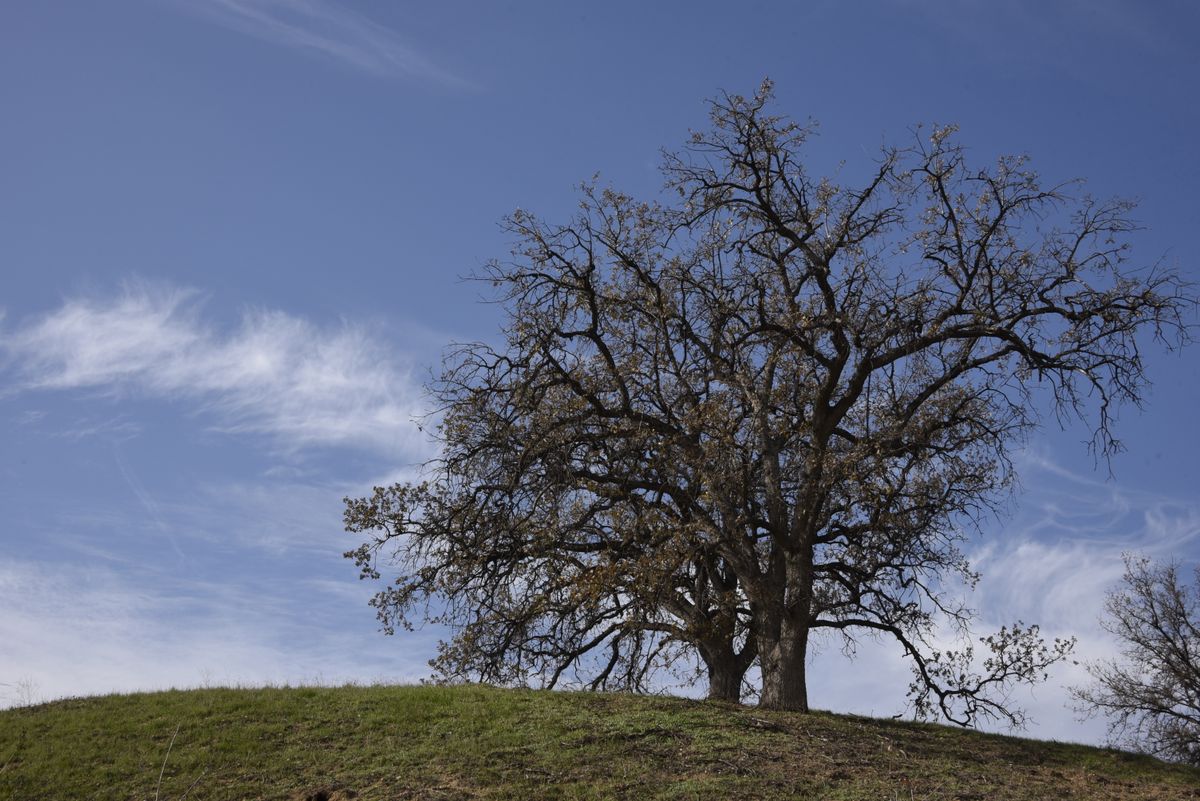
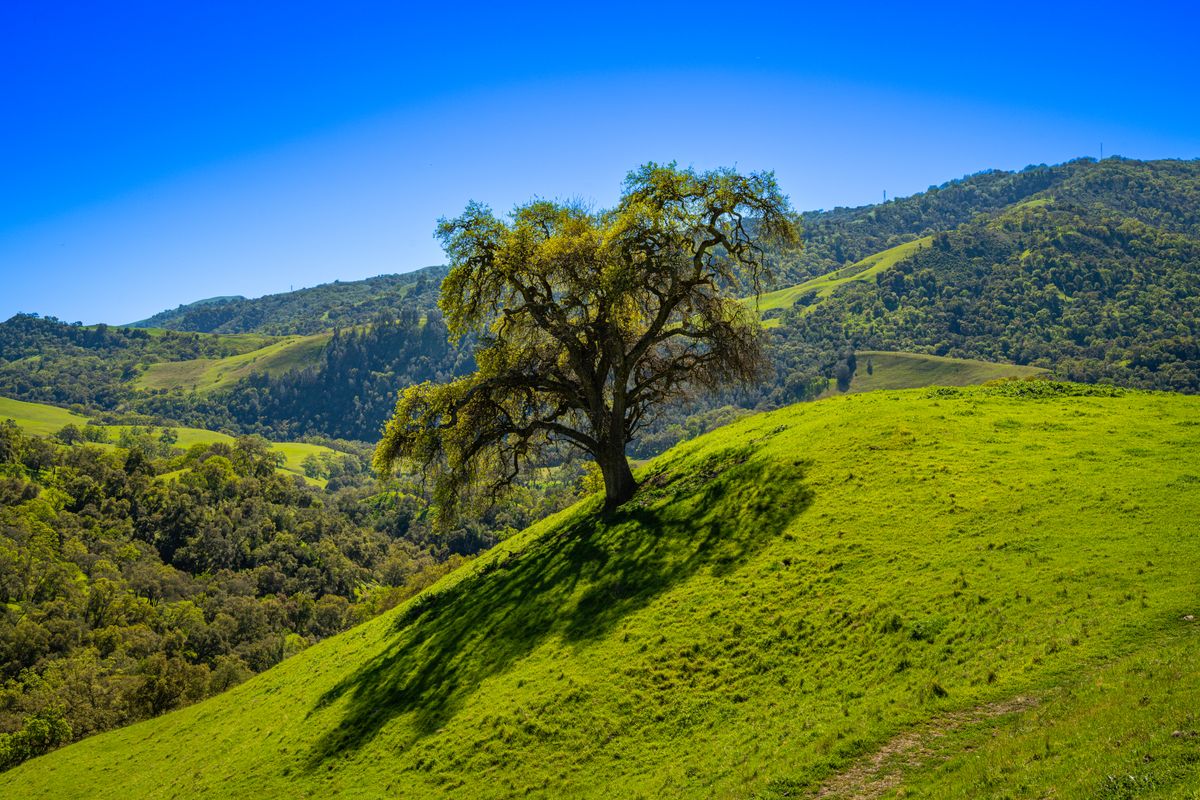
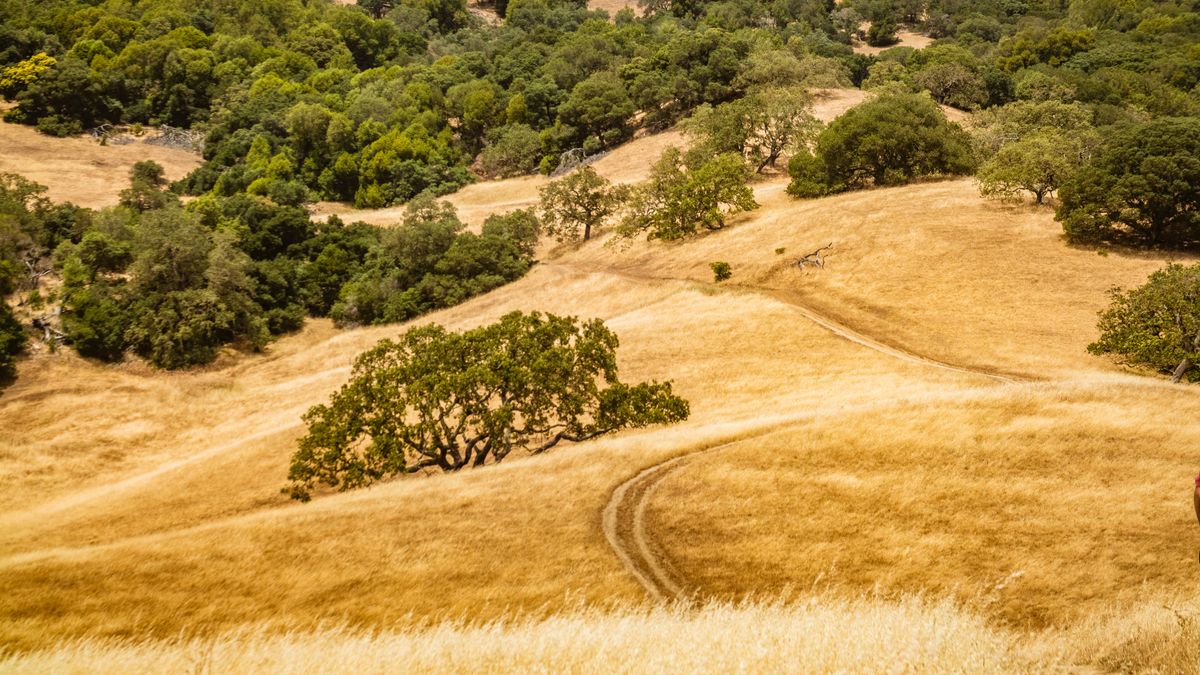
In Atascadero the view being fought over is usually the ridge line — the oak-studded shoulder of the Santa Lucia foothills, or the vineyard valley opening west toward the Salinas River. It is a view that closes back in, and it closes faster here than on the coast, because the oaks and the sycamores in this valley put on growth every warm season.
View clearing and view restoration is the work of opening a sightline again by selective cutting, and the whole craft of it is doing that without leaving the trees butchered and without picking a fight with a neighbour who owns half the trees in the line.
Windowing, not topping
You do not get a view by cutting the tops off a tree. Topping produces the dense broom of shoots that is the first thing to block the sightline again, along with the long-term hazard. What works is windowing: identifying the specific limbs and the specific trees in the sightline and reducing or removing those, while the rest of the canopy stays intact as the frame around the opening.
On a mature oak that means selective reduction cuts back to laterals of real size, and on the understory it means taking out the scrub and the saplings that have grown up in front of the trunks.
The boundary question comes first
Most view problems in this valley are boundary problems, since the trees that block a ridge line are frequently not on the property asking for the work. What a landowner may do to a tree that is not theirs — and what happens when a limb or a root crosses the line — is a legal question before it is an arboricultural one, and the answer is not the same for every tree.
We will look at the site and tell you clearly which trees are yours; beyond that, the honest route is a conversation with the neighbour rather than a crew arriving at seven in the morning.
Protected trees do not stop being protected for a view
A heritage oak in this city or county does not get an exemption because it is in the way of a vista, and a reduction heavy enough to open a sightline can be exactly the kind of work the ordinance regulates. Removing a protected oak for a view, rather than for a genuine hazard, is the case the rules exist to catch.
If the tree is genuinely hazardous, that is a different and documented path — see permits and tree ordinances.
What restoration means over the long run
A cleared view is not a permanent state. The understory in front of a sightline regrows in a few seasons, the reduced limbs push new shoots from the cut ends, and the honest expectation is a cycle every few years rather than a one-time cut.
That is why the useful version of this job includes deciding what to plant or to leave in the low band — the right low-growing natives can hold a slope and frame a view without ever reaching the height of the sightline, which is the revegetation half of the work and lives in erosion control.
Where the material goes, and the season
View work is heavy on slash, and on a slope above a creek the chips are better spread on the exposed ground than piled at the edge of it — see chipping and debris haul-away.
The season is the cool one: late winter into early spring, after the frosts and before the heat, which is also the window that keeps the freshly cut oak out of the beetles' reach. A view cleared in a July heat wave is a view bought with a stressed tree.
Field note — Margot Thackeray opens a sightline a limb at a time and stands back often; the first cut is never the one that decides the view.
Stand where you want the view from, take a photograph, and mark which trees you think are the problem. Call (805) 927-4414 or use the contact page and we will say what is achievable with the trees that are yours.
Questions, quotes, or just exploring — we’re here to help.