

Answering the Letter Before Renewal
Insurance Compliance Clearance
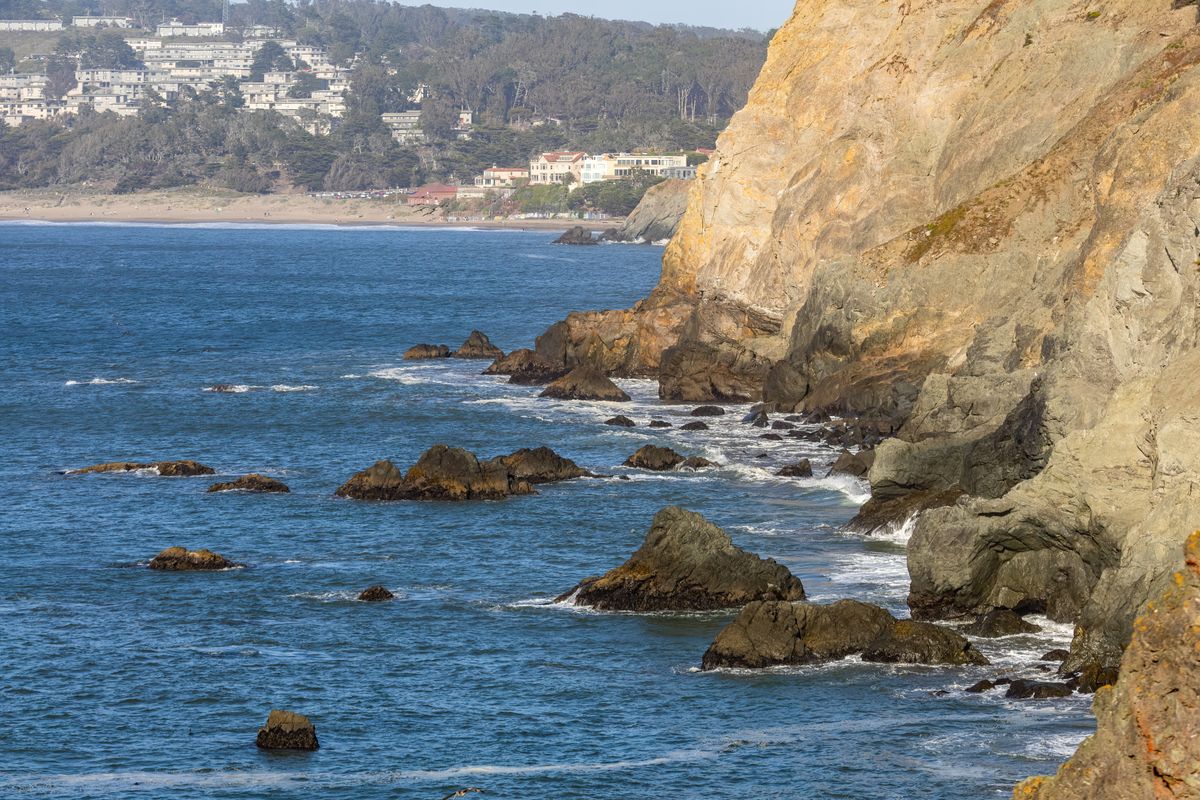
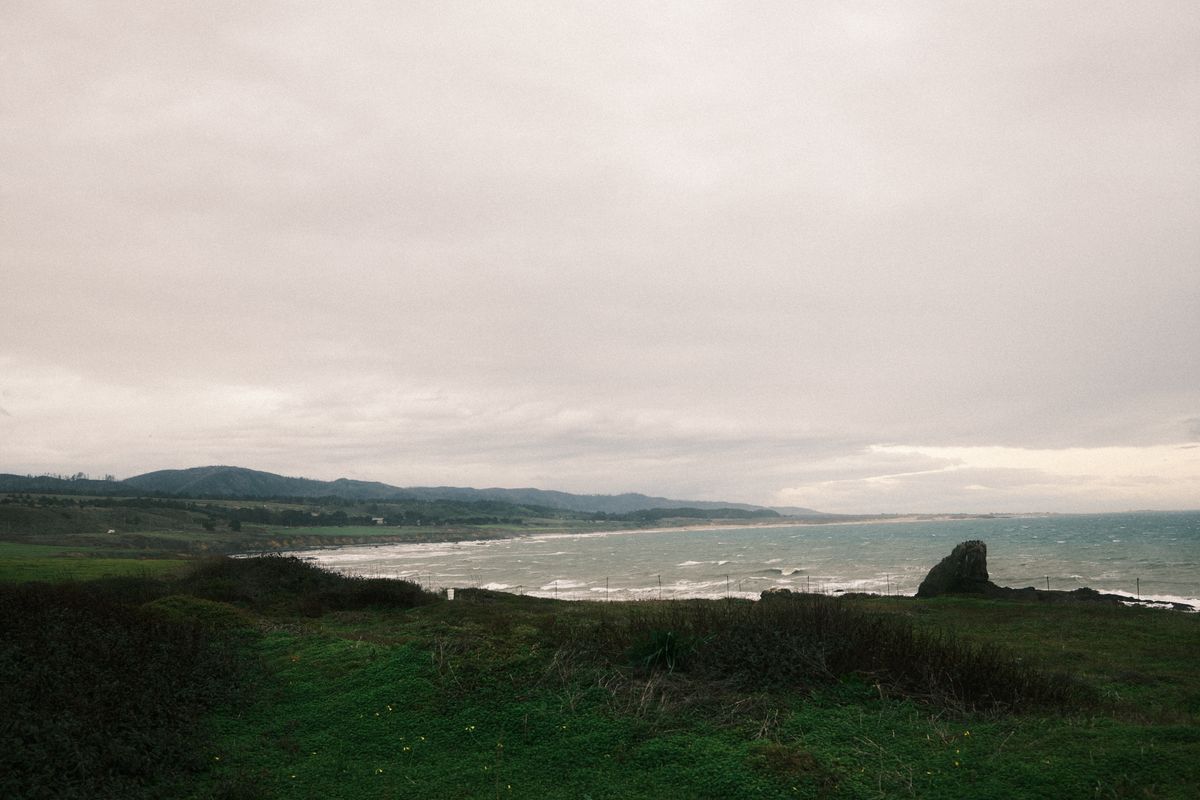
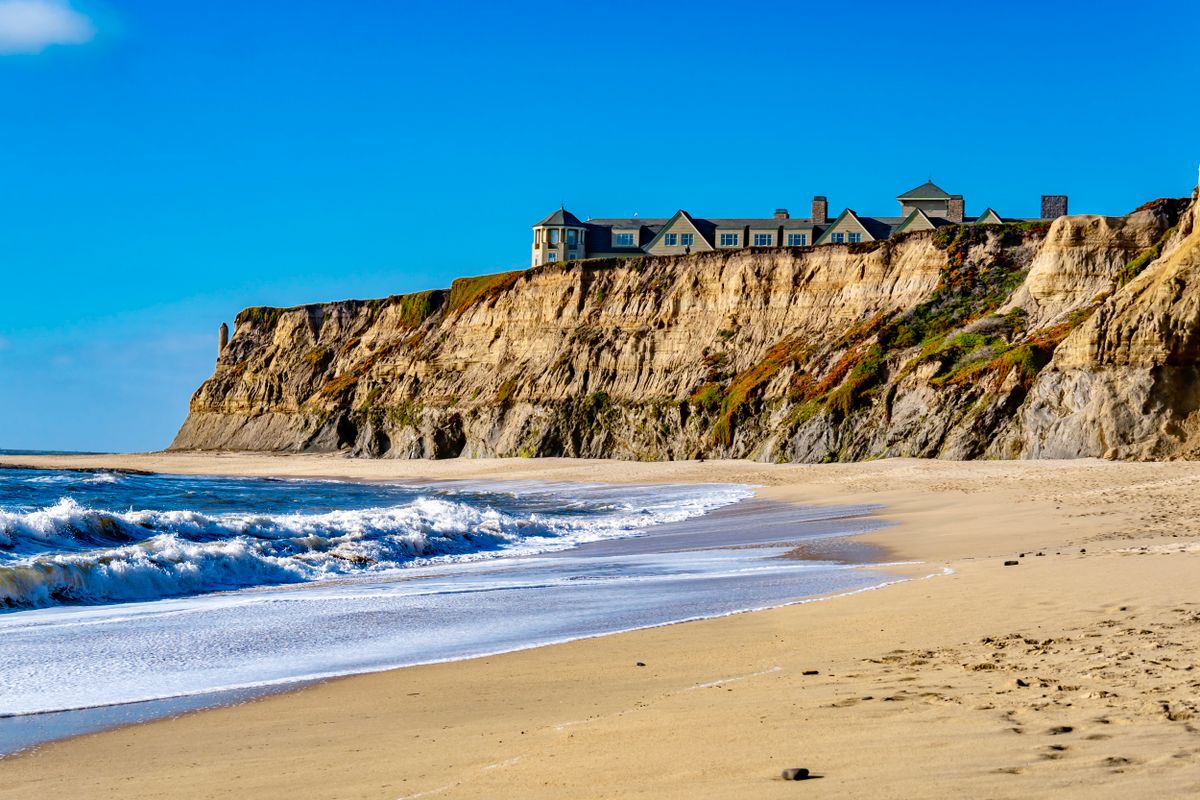
San Simeon — this is the coast these pages are about.
Quick answer: Insurance Compliance Clearance — Defensible space is the work that decides what a fire has to burn between the wildland and the house: dead material out, ladder fuels separated, and the tree you keep limbed up rather than removed. It is measured in zones from the structure, and the first few feet are the ones that matter most.
- Typical timing: Best done in the cool months so the debris is gone before the dry season; clearance rules apply year-round.
- What it involves: Removing dead and dying material, separating shrubs from low limbs, limbing trees near structures, and keeping the roof and gutters clear.
- The standard: Cal Fire's defensible-space guidance for the first 100 feet, applied to the trees a property actually has.
- Where we work: The wooded parts of Cambria, San Simeon, Harmony and the surrounding ranch country.
- Our own record: 503 pages and 291 stories published on this site. Counted from our own archive, not a stock table.
Field note. What we see on this coast that surprises people is how much of the fuel load is low: the limb at four feet and the brush beneath it carries fire into a canopy that would otherwise survive, so the work is often lifting rather than felling.
On the other hand, over-clearing has its own cost — bare ground erodes, and the wind that comes with the fog belt is harder on a thinned stand than the fire risk it removes.
A carrier's inspection letter about the trees on a San Simeon parcel arrives with a date on it, and the date is what makes it expensive: the work the letter names has to be done and evidenced before renewal, in a season that may be the worst one for doing it. The letter is rarely unreasonable, and it is rarely specific enough to act on directly, which is why the first job is reading it properly.
Insurance compliance clearance is the work that matches a written requirement to actual cuts, and then produces the record that closes the file.
What These Letters Actually Require
Underwriters are working from wildfire and liability exposure models, and the language repeats. In practice the letters ask for some combination of:
- Clearance from the structure — limbs and crowns away from the roof, the chimney and the eaves, which here usually means the cypress closest to the building.
- Dead wood removed — dead material out of the crowns and off the ground, because dead fuel is the model's headline risk.
- Defensible space maintained — the zones around the structure kept clear of brush, dead material and ladder fuels.
- Overhanging limbs addressed — anything above the roofline or the deck, which carries both fire and physical-damage exposure.
- Evidence of a professional assessment — sometimes an arborist's letter rather than simply the work being done.
Matching Work to Requirement
The trap is doing the visible thing — taking the nearest limbs off the nearest tree — and leaving the requirement the inspector actually cares about untouched. We read the letter, walk the parcel against each item, and separate what is a condition of cover from what is our own recommendation. That split matters because it lets an owner ask the carrier what it will accept rather than paying for work nobody required.
Closing the File
Work alone rarely closes a file; documentation does. We photograph before and after, note the date and the specific items addressed, and where the carrier asked for an assessment, provide it in writing in terms that map back to their own wording. Sending the carrier the photographs and the letter is usually the fastest route to a renewal decision.
Timing and the Season Here
Renewal dates do not move, and the work cannot be done in a gale or on saturated ground. If the letter names clearance around the structure, that is often doable in almost any weather and worth starting immediately; the wider defensible-space work on a steep parcel is better planned for the dry season, and on a hillside above the highway it needs the right access arranged.
Where a carrier has named a deadline inside the wet months, tell us early — the honest answer may be that the reachable items get done now and the rest is scheduled with the carrier informed.
Send us the letter and a photograph of the building with the trees around it. Call (805) 927-4414 or use our contact page, and see our services for the work the letter is asking for.
Questions, quotes, or just exploring — we’re here to help.