

One Programme for a Handful of Buildings
HOA & Apartment Tree Programs
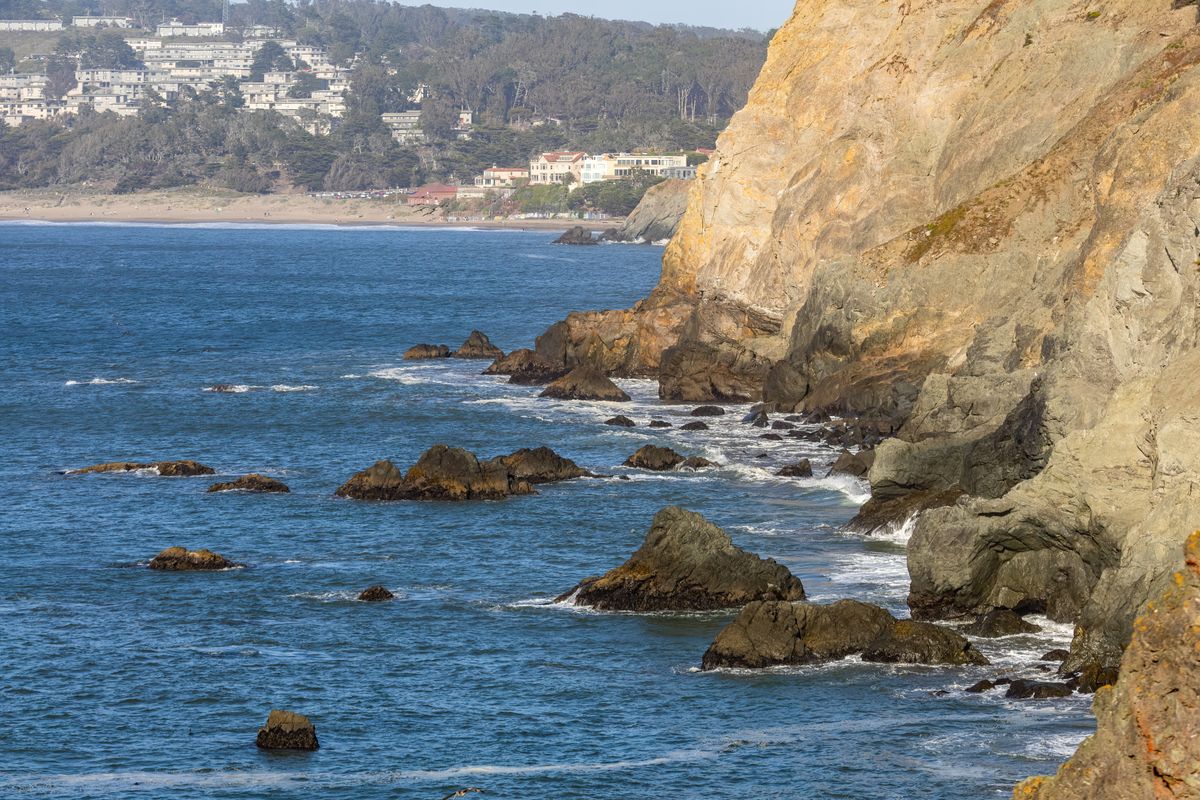
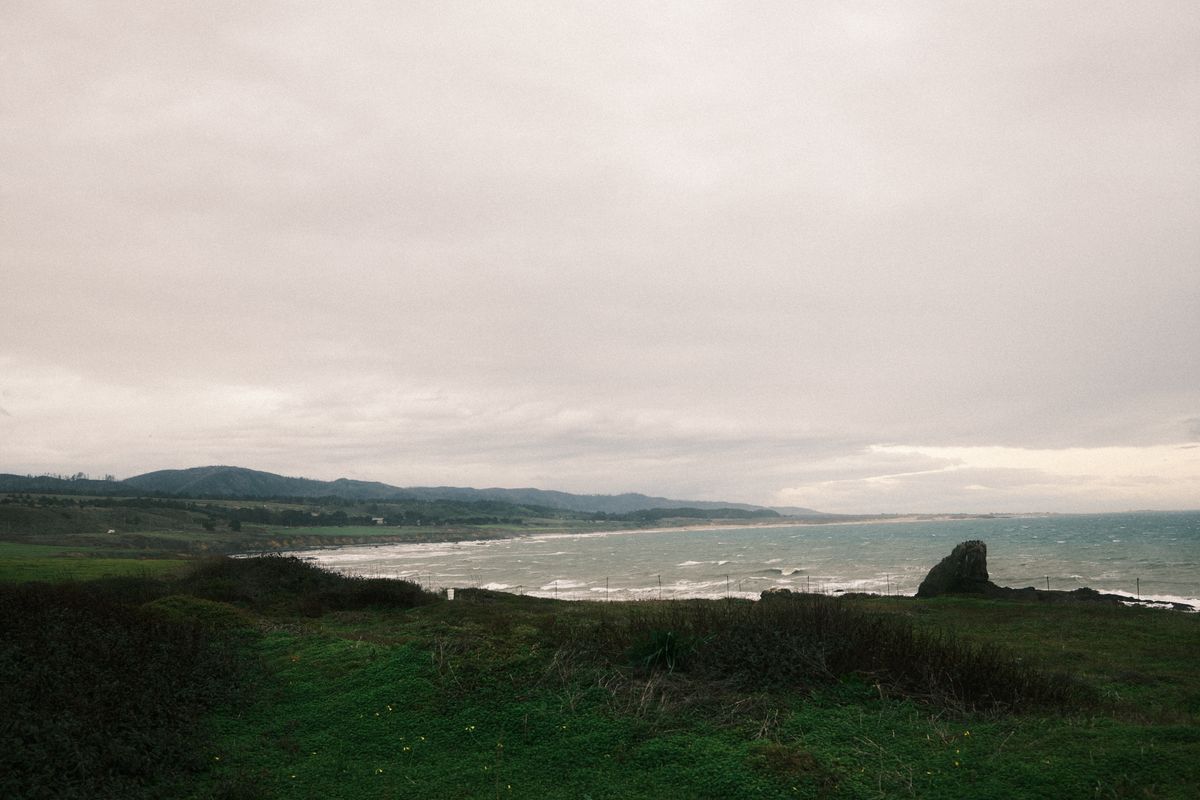
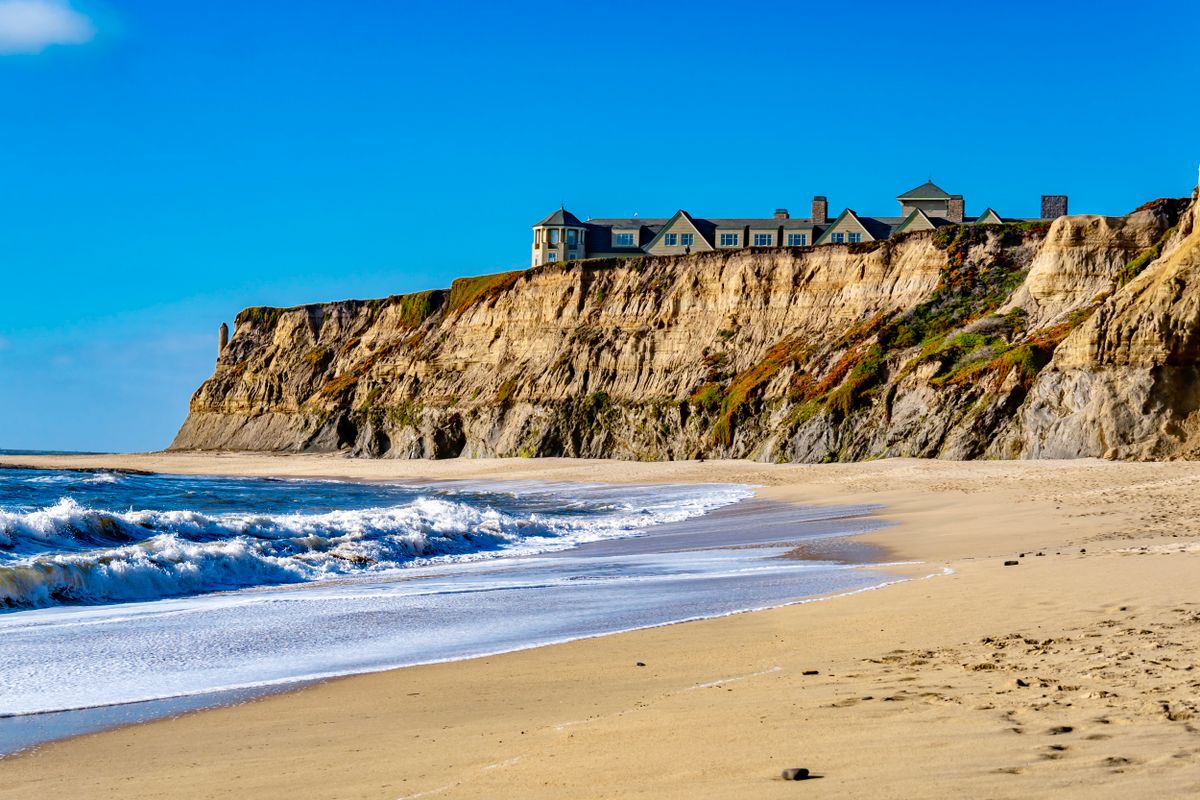
San Simeon — this is the coast these pages are about.
Quick answer: HOA & Apartment Tree Programs — Trees on this coast live with fog, salt, wind and thin soil, and the work that keeps them healthy is decided by those conditions rather than by a calendar written inland. Structure, clearance and the root zone are what a tree here needs looked at, and small work done early is what keeps a tree out of the emergency list.
- What it involves: Structural pruning, clearance from structures and wires, deadwood removal, root-zone care and hazard assessment.
- Typical timing: Structural work in the dormant months; deadwood, clearance and hazard work whenever the tree needs it.
- The standard: The ISA standards for pruning and tree risk assessment, applied by ISA-certified arborists.
- Where we work: Cambria, San Simeon, Harmony, Cayucos, Morro Bay, Los Osos and the Cambria pine belt.
- Our own record: 503 pages and 291 stories published on this site. Counted from our own archive, not a stock table.
Field note. What we see on this coast is that the trees people worry about are usually not the ones in trouble: the pine with a clean crown and a lean that predates the house is often sounder than the tidy tree that has been quietly drowning in its own root zone.
On the other hand, there is no schedule that suits every tree — the same species on two sides of one street can need opposite care, which is why we look before we recommend.
San Simeon's built inventory is small and specific: a few lodging properties, a handful of small multi-unit parcels, and shared private drives where several owners hold a stake in the same trees. What they have in common is that nobody lives close enough to the trees to notice them changing, and that the trees — cypress and pine shaped hard by salt wind — are the reason people stop here in the first place.
A tree programme for a property like that is not a series of one-off jobs. It is a schedule, a record and a single point of contact, run so that a manager or a board can budget a year at a time instead of reacting to the next limb that lands on a car.
What Usually Goes Wrong Without One
- Nobody owns the tree. Common-area trees, boundary trees and trees in front of individual units get inspected by no one, because each party assumes another is doing it.
- Work is only done after failure. The cheapest interventions — deadwood removal, a clearance cut, dead brush out of the defensible space — are the ones nobody notices until a limb is through a roof.
- The record does not exist. When someone is injured or a guest's vehicle is damaged, "we looked at it in spring" is worth nothing without a dated note saying what was seen and what was decided.
- Guests and residents are in the way. On a lodging property, work has to fit around occupancy, parking and check-out times, which takes planning rather than a crew arriving when it suits them.
What the Programme Contains
We start with an inspection of every tree on the property and a written record of each: species, size, condition, any defect, and the work recommended with a priority attached. That inventory produces a multi-year plan rather than a single visit — the urgent risk work first, then the maintenance cycle of pruning, deadwooding and defensible-space clearance that keeps the crown healthy and the fuel load down.
Because the priorities are recorded, the spending can be phased across budgets instead of arriving as one number nobody planned for.
Liability, Records and Reporting
On a property with tenants or guests, documentation is not paperwork for its own sake; it is the record that shows the trees were assessed on a schedule by someone competent, and that what was found was acted on. We provide dated findings, photographs and a work history, and we say plainly when the right answer is to remove a tree rather than keep pruning it, because a manager needs that recommendation in writing rather than implied.
Working Around People
The practical half of the job is logistics: staging equipment off the drive at the hours that do not block check-in, protecting vehicles and pedestrians, closing an area and reopening it the same day, and keeping a point of contact who residents can actually reach.
Where trees are shared with a neighbouring parcel or stand on a boundary, we say so before work starts rather than after the first limb comes down, because the boundary question is one nobody wants to discover mid-job.
Emergency Protocol
Storms on this coast are not hypothetical, and the useful thing to agree in advance is who calls whom at two in the morning, which trees are priorities, and where equipment can get in after a power outage. Put the protocol in the plan and a bad night stays a bad night rather than becoming a crisis.
Send us the parcel plan and tell us how the property is managed. Call (805) 927-4414 or use our contact page, and look at our services for the work that sits behind the programme.
Questions, quotes, or just exploring — we’re here to help.