

A Tree for the Salt Line, Not the Catalogue
Tree Planting in San Simeon, CA
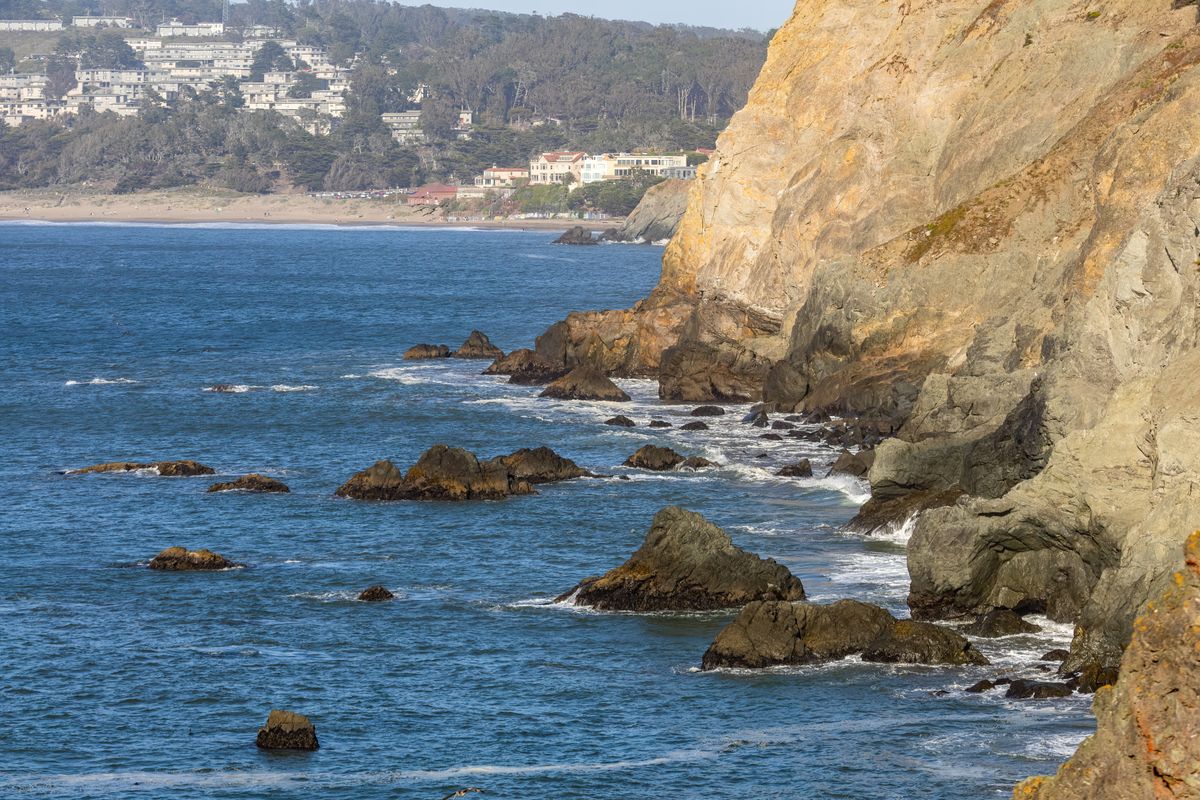
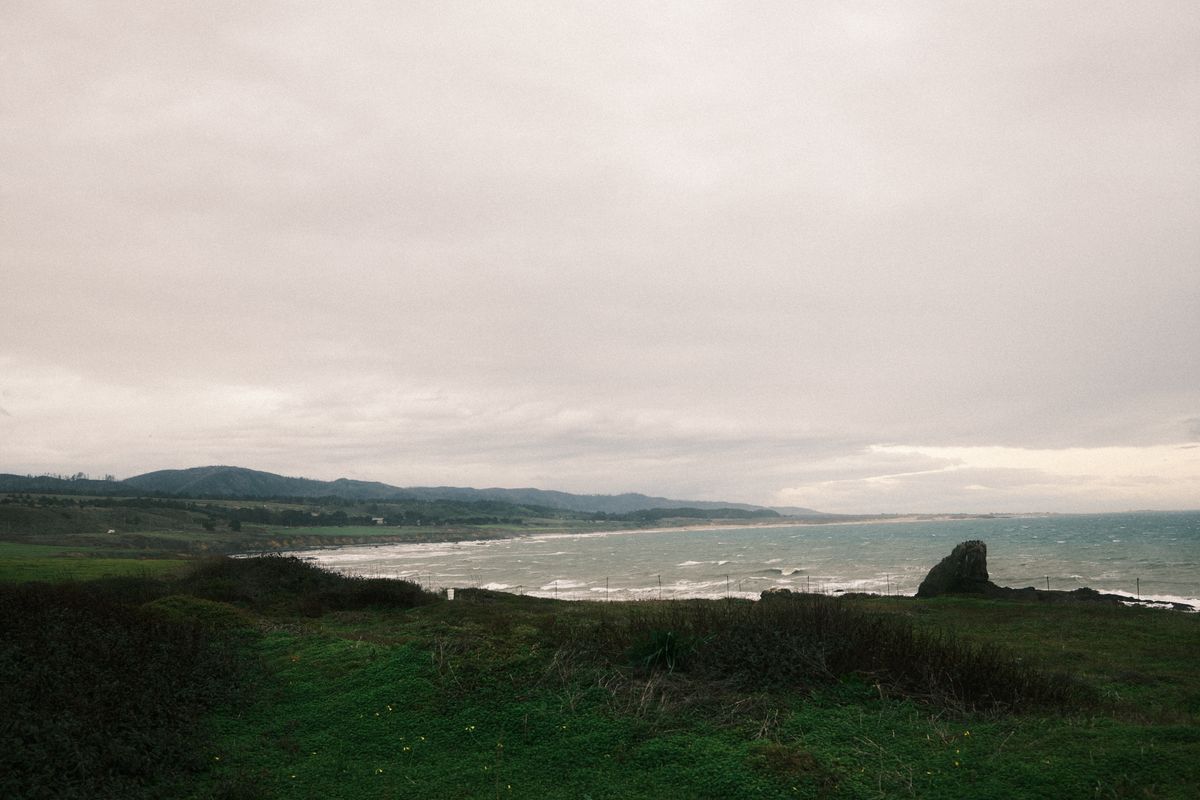
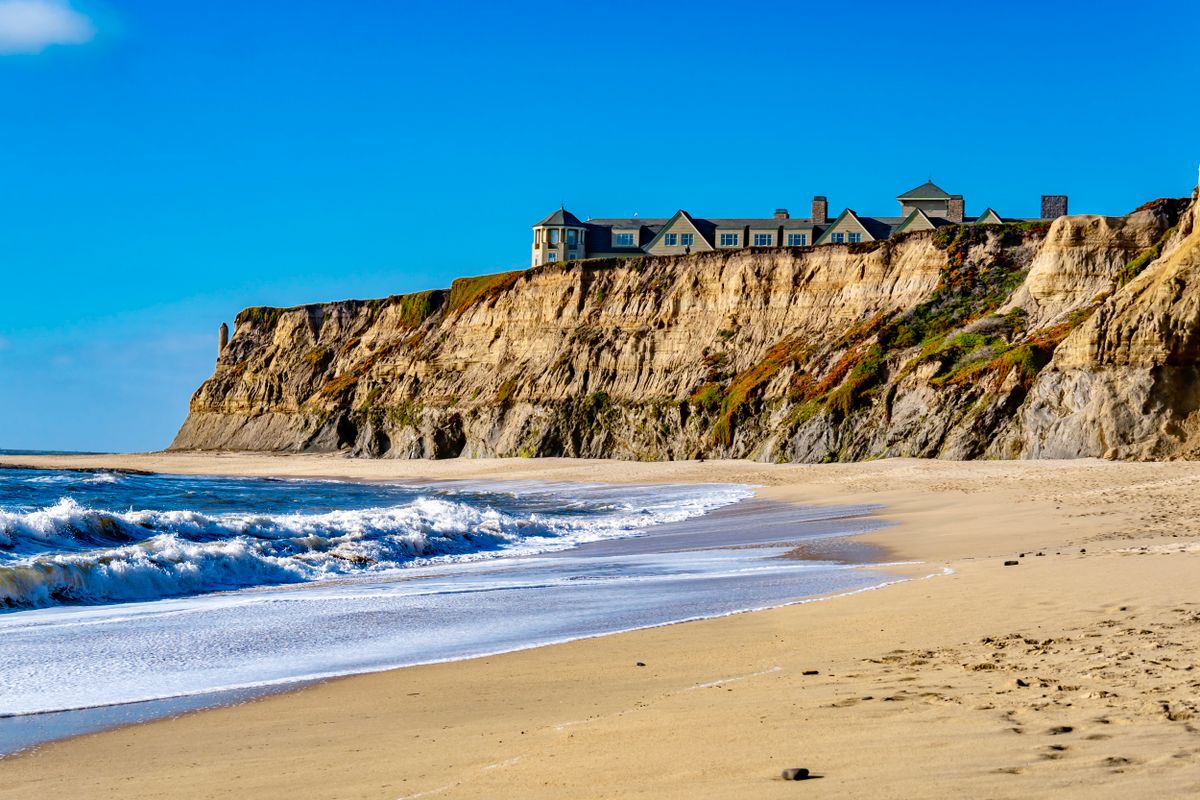
San Simeon — this is the coast these pages are about.
Quick answer: Tree Planting in San Simeon, CA — The tree that thrives here is the one chosen for this coast: fog, salt, wind and shallow soil are the local constraints, and mature size is the constraint most often ignored. Planting is a matter of putting the right species in a site that can hold it, then keeping the root flare visible and the first summers watered.
- Typical timing: Autumn planting, so winter rain does the establishment work; the first two summers decide the tree.
- What it involves: Matching mature canopy and root spread to the space, planting at the depth the tree grew in, and staking only when it is needed.
- The standard: Cal Poly’s SelecTree species data and university extension planting guidance.
- Where we work: Gardens and acreage from Cambria through Cayucos and Morro Bay.
- Our own record: 503 pages and 291 stories published on this site. Counted from our own archive, not a stock table.
Field note. What we see is that the coast is forgiving to the right species and unforgiving to the wrong one: the same tree that looks comfortable four streets in will burn on the windward side of a Cambria lot.
On the other hand, natives are not automatically the answer at every address — a species that belongs in the watershed can still be the wrong size for the garden it is standing in.
A Tree Here Has to Earn Its Place
Planting on the San Simeon stretch is a stricter exercise than planting anywhere inland, because the site does the choosing whether or not you do. Salt in the air, wind that never fully drops, fog through the summer and almost no rain between May and October will kill most of what a nursery would happily sell you, and they will do it over about three years so that the failure looks like bad luck rather than a bad decision.
Tree planting here means picking a species against this site, buying honest stock, and putting it in the ground to the standards the trade already wrote for it.
Right Tree, This Place
The shortlist on the ocean side is short and well known: Monterey cypress, Monterey pine, and the tough broadleaves and shrubby natives that take salt and wind.
Move inland and over the ridge and the list opens up, because the salt load drops and the summer heat rises — valley oak, sycamore and the inland oaks do better there than they ever will on the bluff. Within a single parcel the two sites can both exist, and the windward corner needs the tougher plant.
Then the site itself: what the tree will grow into, what it will shade, where the septic field and the water line run, how much wind the mature crown will have to hold, and whether the spot is one that gets spray on a storm tide.
Stock and the Root Flare
We plant container and balled-and-burlapped stock, and bare-root for the deciduous natives where it establishes better for less. What matters is structure: one dominant leader, no roots circling the inside of the pot wall, no wound from an old stake, and a root flare that is actually visible at the top of the medium.
A pot-bound tree planted straight from the nursery carries the girdling root that kills it in a decade, which is why the root ball gets worked before it goes anywhere near the hole.
Into the Ground
Hole wider than the pot, no deeper than the root ball, sides roughened so roots do not glaze against a smooth wall, and the tree set so the flare sits at the finished grade rather than below it — planting too deep is the single most common way a good tree is ruined on day one. Backfill is the soil that came out, amended only if it needs it, watered in to settle rather than to irrigate.
Then the aftercare: a mulch ring kept clear of the trunk, a stake only where the site demands it and only for as long as it takes, and watering that goes deep and infrequent. Establishment takes two to three summers here and the first is the one that decides the rest. If the ground is compacted or filled, fix that before planting — see root-zone remediation.
When We Will Say No
If the spot is too exposed, too close to the house or over a leach field, if the species wanted is wrong for the salt line, or if the soil is so poor that nothing will take until it is fixed, the honest answer is to change the plan rather than take the money. Replacing a healthy mature cypress with a nursery whip is a downgrade dressed up as improvement.
Tell us what the tree is for — screen, shade, a replacement — and send a photograph of the spot. Call (805) 927-4414 or use our contact page, and start at our services.
Questions, quotes, or just exploring — we’re here to help.