

The Plan That Saves the Cypress You Keep
Construction Tree Protection
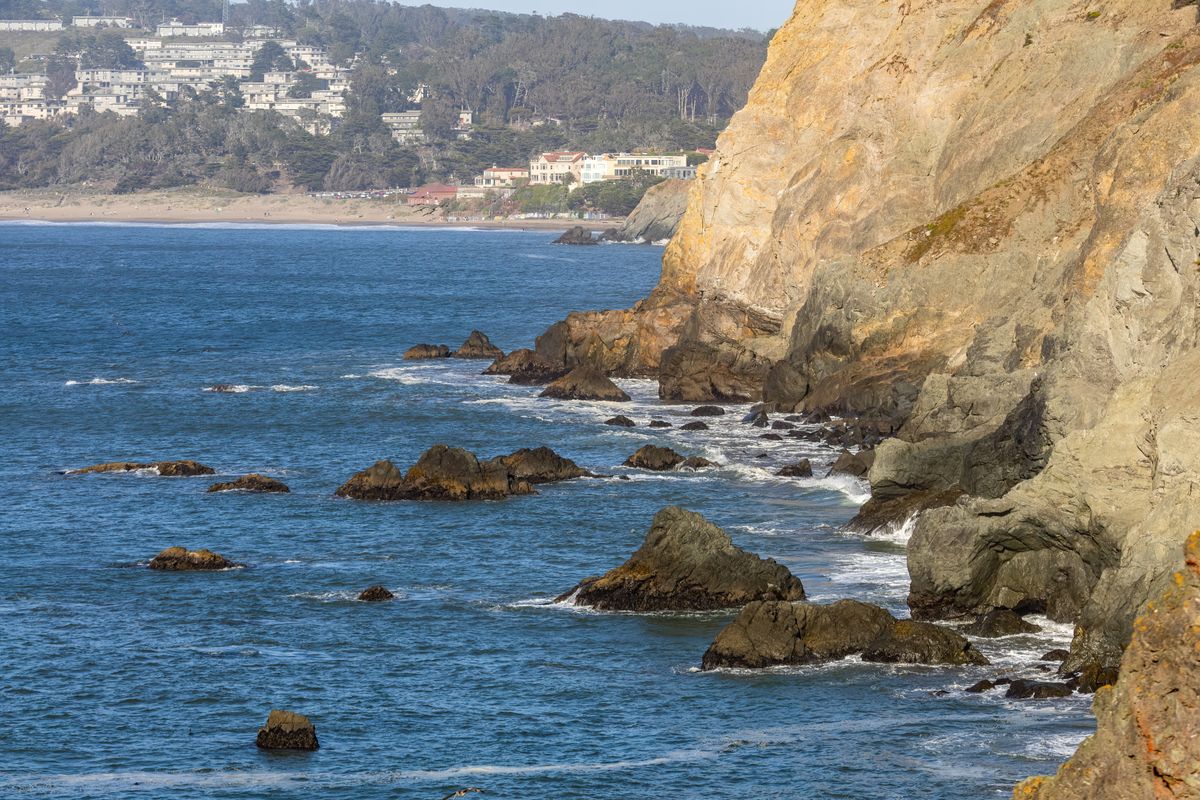
San Simeon — this is the coast these pages are about.
Quick answer: Construction Tree Protection — The tree that thrives here is the one chosen for this coast: fog, salt, wind and shallow soil are the local constraints, and mature size is the constraint most often ignored. Planting is a matter of putting the right species in a site that can hold it, then keeping the root flare visible and the first summers watered.
- Typical timing: Autumn planting, so winter rain does the establishment work; the first two summers decide the tree.
- What it involves: Matching mature canopy and root spread to the space, planting at the depth the tree grew in, and staking only when it is needed.
- The standard: Cal Poly’s SelecTree species data and university extension planting guidance.
- Where we work: Gardens and acreage from Cambria through Cayucos and Morro Bay.
- Our own record: 503 pages and 291 stories published on this site. Counted from our own archive, not a stock table.
Field note. What we see is that the coast is forgiving to the right species and unforgiving to the wrong one: the same tree that looks comfortable four streets in will burn on the windward side of a Cambria lot.
On the other hand, natives are not automatically the answer at every address — a species that belongs in the watershed can still be the wrong size for the garden it is standing in.
The Cypress Is Worth More Than the Pad
On the San Simeon benches there is often one tree that makes the parcel: a Monterey cypress or a Monterey pine that has been shaped by salt wind for half a century and cannot be replaced in a lifetime.
The trouble is that the same clear, wind-scoured bench a house wants is the ground the tree is rooted in, and a build that arrives without a tree protection plan will damage it in ways nobody notices until two summers later, when the crown starts to thin.
Construction tree protection is the plan that keeps that from happening. It is drawn before the first machine arrives, and it is cheap next to the cost of losing the tree the site was bought for.
Start With the Critical Root Zone
The trunk is not the tree. Roots extend well beyond the canopy line, and the roots that matter most sit in the top foot of soil, which is exactly the layer a track, a footing or a stack of lumber destroys. We draw the critical root zone as a measured circle from the trunk and mark it on the plan, then decide what can happen inside it.
- No grade change inside it. Adding six inches of fill smothers roots; cutting six inches away removes them. Either can kill a mature tree slowly.
- No parking, no spoil, no washout. One afternoon of a truck idling on wet ground compacts the soil no root can undo, and concrete washout changes the pH of an entire root run.
- No trenching without a route. Utilities, irrigation and drainage lines get planned around the zone or hand-dug through it with the roots cut cleanly.
Fencing Is the Whole Enforcement Mechanism
A protection plan that lives in a document and not on the ground protects nothing. It works because there is a physical fence at the line, because the trades are told what it means at the start, and because somebody with authority checks it when a delivery driver decides the lawn is a good place to turn around.
On a small coastal lot we usually mark one clear access route, one materials area and one washout, so there is a legitimate place for everything rather than a daily argument.
Sequence, and Where We Come Back
The order of work is part of the plan: demolition before excavation, excavation before grading, and nothing heavy under the drip line while the ground is saturated from winter rain. We monitor against the plan at the stages that matter — before excavation, before backfill, and at the end of the build — because the damage that shows in a decade is usually done in a single afternoon that nobody remembers.
When the Design Has to Move
Occasionally the honest answer is that the plan as drawn cannot be built without losing the tree, and the better outcome is a footing shifted two feet, a drive narrowed, or a deck cantilevered rather than post-supported in the root zone. That conversation is much cheaper in the design phase than after the concrete is poured.
If a tree genuinely has to go for the build, that is a removal and a separate decision, and it is worth making deliberately rather than by accident.
Send us the site plan and the survey before the build starts. Call (805) 927-4414 or use our contact page, and start at services for the wider picture of tree work on this coast.
Questions, quotes, or just exploring — we’re here to help.