

A Number, With Its Method Named
Tree Appraisal & Value in San Simeon, CA
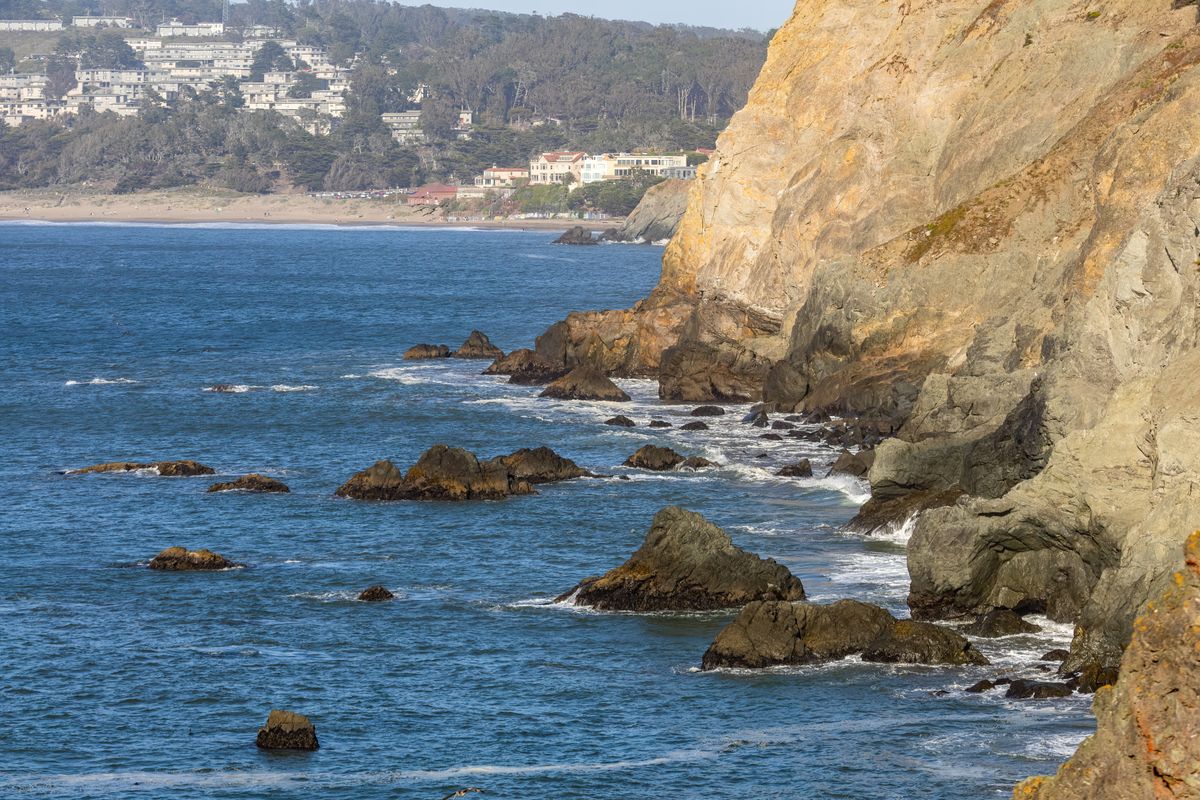
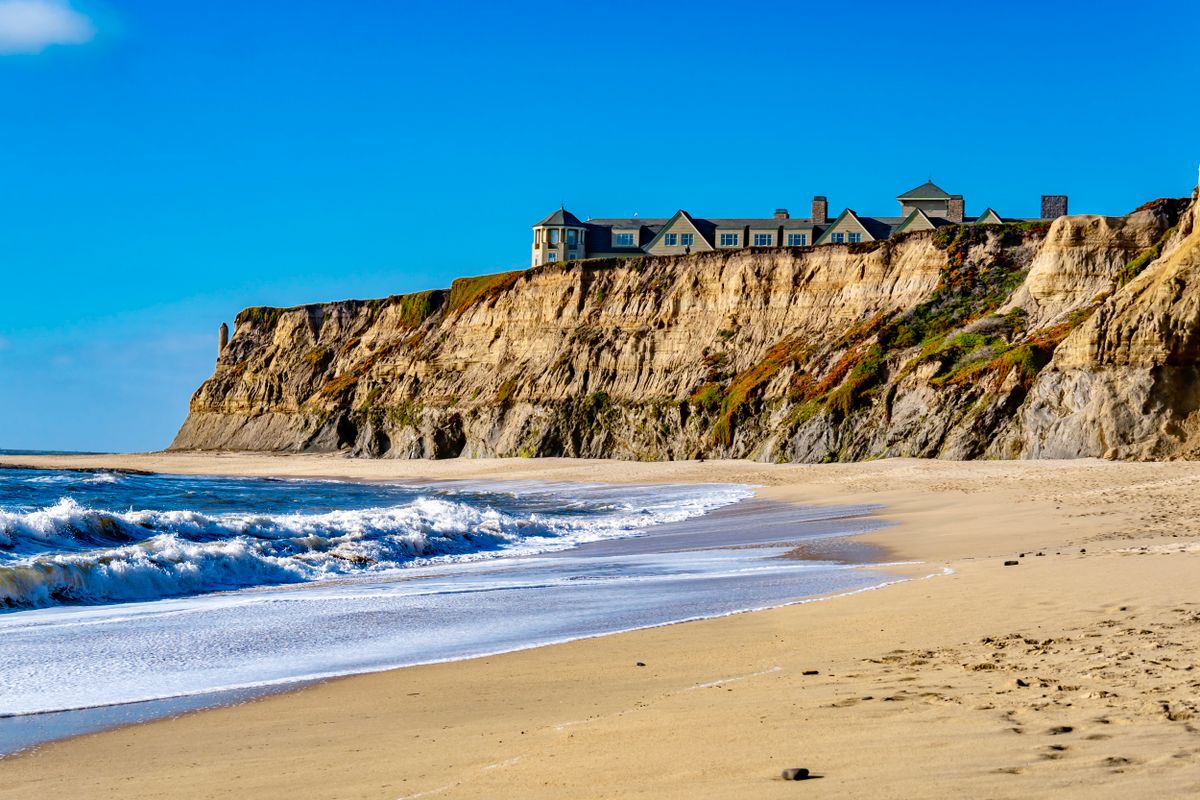
San Simeon — this is the coast these pages are about.
Quick answer: Tree Appraisal & Value in San Simeon, CA — Trees on this coast live with fog, salt, wind and thin soil, and the work that keeps them healthy is decided by those conditions rather than by a calendar written inland. Structure, clearance and the root zone are what a tree here needs looked at, and small work done early is what keeps a tree out of the emergency list.
- What it involves: Structural pruning, clearance from structures and wires, deadwood removal, root-zone care and hazard assessment.
- Typical timing: Structural work in the dormant months; deadwood, clearance and hazard work whenever the tree needs it.
- The standard: The ISA standards for pruning and tree risk assessment, applied by ISA-certified arborists.
- Where we work: Cambria, San Simeon, Harmony, Cayucos, Morro Bay, Los Osos and the Cambria pine belt.
- Our own record: 503 pages and 291 stories published on this site. Counted from our own archive, not a stock table.
Field note. What we see on this coast is that the trees people worry about are usually not the ones in trouble: the pine with a clean crown and a lean that predates the house is often sounder than the tidy tree that has been quietly drowning in its own root zone.
On the other hand, there is no schedule that suits every tree — the same species on two sides of one street can need opposite care, which is why we look before we recommend.
When a cypress comes down across a boundary fence, or a utility crew takes a mature pine off the corner of a San Simeon lot, somebody eventually asks what the tree was worth. The answer is a number produced by a named method, not an opinion about how much the owner liked it.
The method is the answer
There are two established approaches. Replacement cost is what it sounds like: what it would cost to install a tree of the same species and size, which for anything large is a figure nobody would ever actually pay. The ISA Trunk Formula takes the cost of the largest commonly available nursery stock and scales it up for the size of the tree that was lost, then adjusts for species, condition, location and site.
The method has to be named in the report, because a value without its method is not usable in an argument.
What moves the number
- Species rating — how the trade rates the species for landscape value. A slow-growing native scores differently from a fast weedy volunteer.
- Condition — a healthy tree appraises higher than a declining one, and a tree with a structural defect can appraise near zero.
- Location — a tree in a prominent position on a finished garden contributes more than the same tree in a neglected corner or in a thicket.
- Site — what the ground, the access and the surroundings contribute to the tree's viability.
- Size — trunk diameter drives the trunk formula directly, so a mature tree appraises far above a young one of the same species.
Where appraisals are actually used
Neighbour damage where a tree was cut without permission; utility damage on a right-of-way; an insurance claim where a tree was destroyed; a casualty-loss deduction after a fire or a storm; an estate or a divorce where the trees are part of what is being divided. In each of those the appraisal is evidence, and it needs the same discipline as any other evidence: a stated method, measurements, photographs, and the qualifications of the person making it.
What it is not
It is not a risk assessment, which answers whether a tree is safe. It is not a report for a sale, which answers what condition the trees are in. Those are separate documents asked by separate people, and confusing them is how a claim gets refused. If the question is whether the tree was a danger rather than what it was worth, start at tree risk assessment in San Simeon.
Have measurements taken while they exist
Appraising a tree that is gone is possible with photographs that show scale, a stump diameter, or a neighbour's matching tree — but it is far easier while the tree, or its stump, is still there. If there is a dispute in progress, nothing should be cut, moved or cleared before it has been recorded.
Put a defensible number on it
Tell us what happened, what is left, and whether anything is in dispute. Call (805) 927-4414 or use the contact page, and see pricing for report work.
Questions, quotes, or just exploring — we’re here to help.