


Reading the Clues a Tree Leaves
Hazard Tree Evaluation in San Simeon, CA
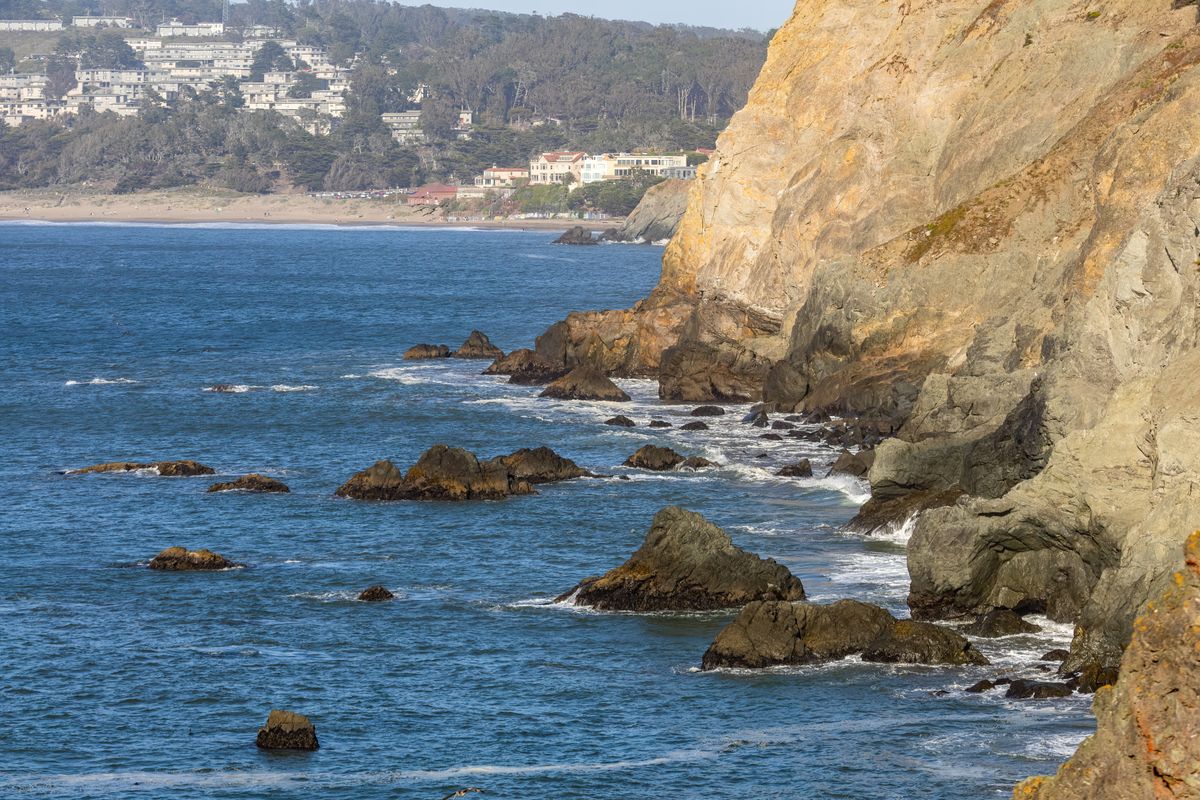
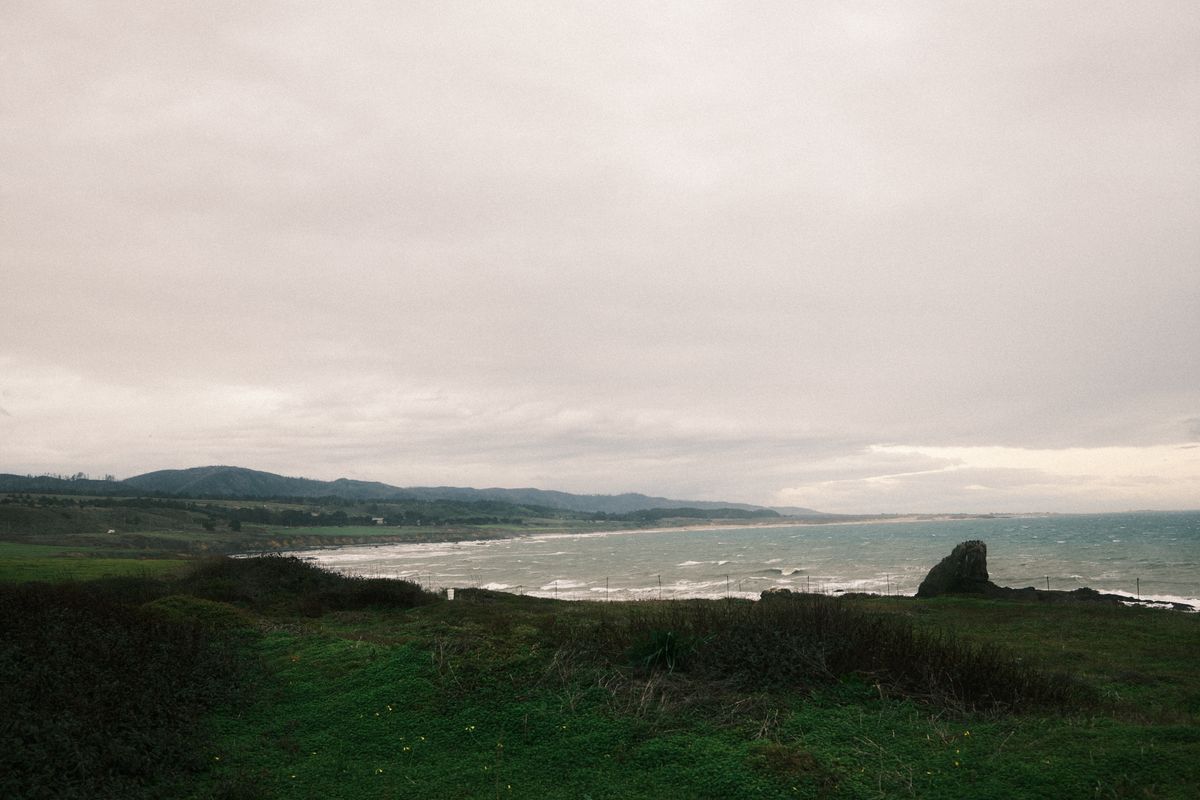
San Simeon — this is the coast these pages are about.
Quick answer: Hazard Tree Evaluation in San Simeon, CA — Removing a tree is planning before it is cutting: where the wood lands, what is under it, whether a rope or a crane takes the weight, and what is left when the crew drives away. A removal is finished when the drop zone is clear and the stump is dealt with, not when the trunk hits the ground.
- Typical timing: When the tree is a hazard, the schedule is immediate — storm damage, split leaders and leaners do not wait for good weather.
- What it involves: A written plan for the drop zone, rigging or crane work over structures, protecting driveways and roofs, and deciding the stump’s fate in advance.
- The standard: The ANSI Z133 safety standard for arboricultural operations, and ISA best practice for removals near structures.
- Where we work: Small town lots, coastal acreage and the narrow properties of the Cambria pine belt.
- Our own record: 503 pages and 291 stories published on this site. Counted from our own archive, not a stock table.
Field note. What we see here is that access decides the price more than height does: a pine over a fence on a slope with no driveway costs more to take down safely than a taller tree with a clear drop, and the plan is where that shows up.
On the other hand, removal is not the only safe answer — a tree with one failing limb, or a lean that can be corrected by reduction, is often better kept and managed than gone.
Some of the most dangerous trees on the San Simeon coast look the healthiest from a car window, because a cypress with a hollow centre still grows a full green crown. Hazard tree evaluation is the discipline of reading the tree's own clues and putting a timeline on them.
What we look at, in order
- Fungal conks — a bracket on the trunk is the fruiting body of something digesting the wood inside. Different fungi point at different kinds of decay, and the pattern matters more than the presence.
- Cavities and hollows — an open cavity is not automatically fatal. Its size relative to the trunk, and whether the remaining shell is thick enough to carry the load, is what decides.
- Included bark — a seam of bark between two stems that grew as one, the commonest structural defect in the cypress here.
- Cracks and seams — a vertical crack is a direct statement about the wood behind it, and a fresh one is more urgent than an old one.
- Root plate and lean — heaving soil on the uphill side, a fresh crack in the ground, or a lean that has changed all say the same thing.
- Wounds and old cuts — where a limb was removed badly years ago, and what the tree has done about it.
Reading the target as well as the tree
A defect is only part of the answer. The same hollow cypress is a different problem over an empty field than over a bedroom, and on this stretch the target set is unusual: scattered houses, a handful of visitor properties, the highway shoulder, and the utility drop that serves them. An evaluation that does not name the target has not answered the question.
A simple urgency scale
We describe what we find on a short scale rather than in technical language. Something that needs doing now — a defect in a tree with a target that could fail in the next wind. Something that needs doing this season, before the winter. Something to watch, with a date to look again. And something that is fine, which is a perfectly good answer and often the right one.
How this differs from a written risk report
This is the walk-and-look version: the assessment a person can make on the ground, with a clear recommendation at the end. Where an insurer, a buyer, a lender or an agency wants it on paper — with methods, scope and the assessor's qualifications attached — that is a different deliverable, and the difference is worth understanding.
See tree risk assessment in San Simeon for the written form, and hazardous tree removal for the work that follows when the verdict is removal.
What to photograph before we come
One wide shot with the whole tree and its surroundings, one of the base, and one of whatever has worried you — a conk, a crack, a hollow. That usually tells us whether this is a visit or an urgent call.
Get a straight answer
Call (805) 927-4414 or use the contact page, and see our services for the rest of the coastal tree work.
Questions, quotes, or just exploring — we’re here to help.