

Roots, Pavement and the Limit of a Cut
Root Pruning & Barriers in San Simeon, CA
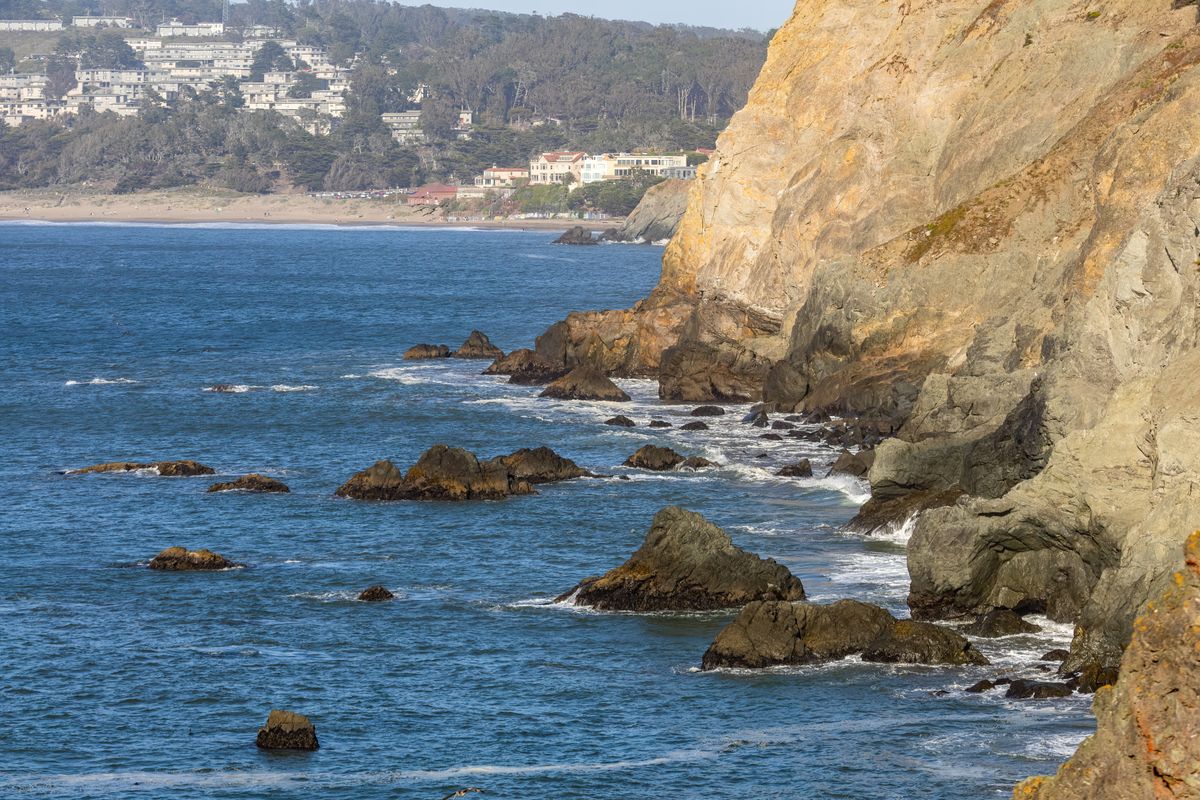
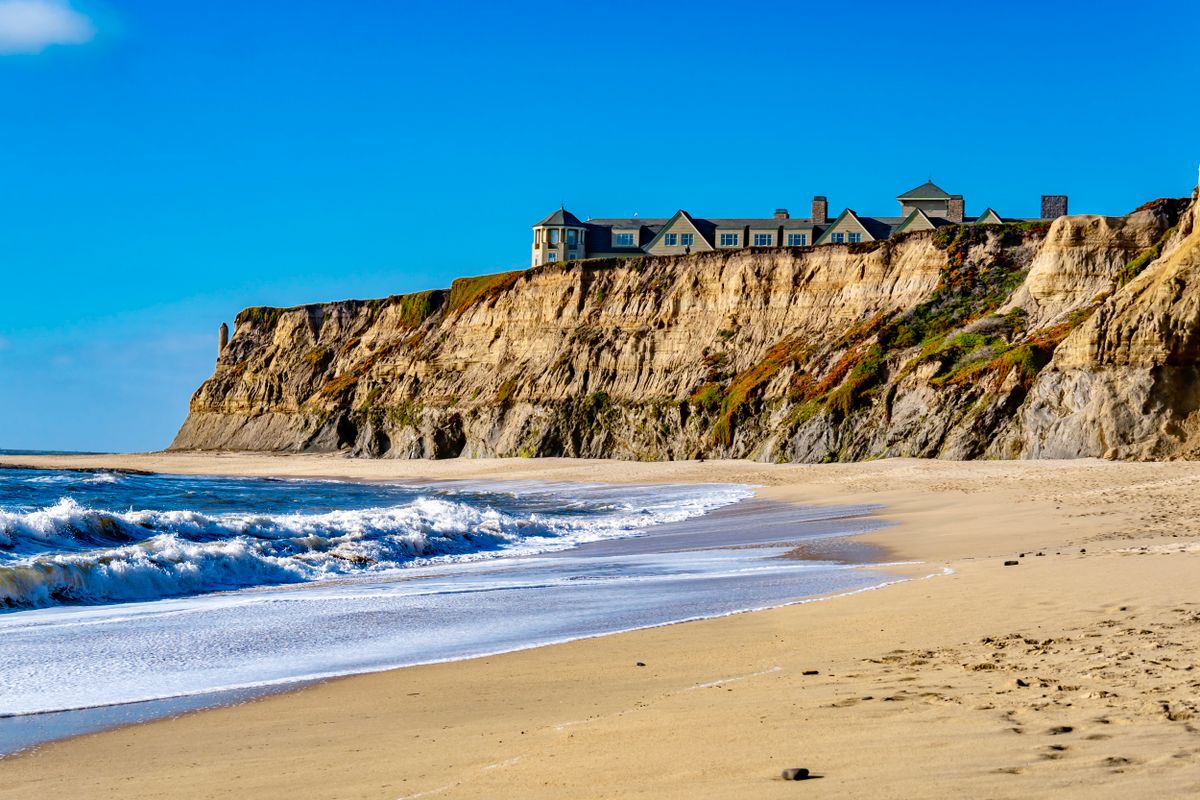
San Simeon — this is the coast these pages are about.
Quick answer: Root Pruning & Barriers in San Simeon, CA — A stump is the part of the problem that is still in the ground: it holds the roots that lift pavement, keeps a species alive if it re-sprouts, and occupies the spot where the next planting goes. Grinding removes it below the surface so the ground can be worked again, and the roots that matter are the ones under the driveway rather than the ones beside the trunk.
- Typical timing: Any month the ground is workable; rain-softened soil grinds fastest and leaves the cleanest spoil.
- What it involves: Assessing re-sprout risk by species, grinding below grade, raking the spoil back, and handling surface roots separately from the stump.
- The standard: ISA guidance on root cutting and the ANSI A300 pruning standard where roots and crown are worked together.
- Where we work: Cambria, San Simeon, Harmony, Cayucos, Morro Bay, Los Osos and the Cambria pine belt.
- Our own record: 503 pages and 291 stories published on this site. Counted from our own archive, not a stock table.
Field note. On this coast the stump is rarely the end of the job: Monterey pine and eucalyptus both keep enough energy in the roots to push new growth, so we are looking at the species before we quote the grind rather than after.
On the other hand, a stump left in a garden bed is sometimes the better answer — it decays, feeds the soil and costs nothing — so grinding is a choice, not a rule.
A cypress root under a San Simeon driveway is doing two jobs at once: holding the tree up and gradually lifting the asphalt. Deciding which of those you want to keep is the whole question, and the answer is rarely to just cut the root.
Two kinds of root, two different consequences
The roots that lift pavement are the fine ones, growing in the top few inches where the water and the oxygen are. Cut those and the tree loses some feeding capacity and recovers. The roots that hold a tree up are the large structural ones that radiate from the trunk and thicken over decades, and those reach much further than most people assume.
Cut a structural root and you have done permanent damage to the thing that keeps the tree standing — and on sandy, shallow bluff-edge ground that margin is already thinner than it looks.
How much can come off
A rule of thumb the trade uses is that the radius of the root plate is roughly one to one and a half times the height of the tree, that the roots closest to the trunk matter most, and that a cut close to the trunk is far more serious than the same cut at the outer edge.
In practice this means root pruning is only safe on one side at a time, well away from the stem, and never as a way of clearing a trench straight through.
What a root barrier does, and does not
A barrier is a vertical panel set in a trench between the tree and whatever the roots are damaging — a drive, a wall, a foundation, a drain. Installed well away from the trunk it redirects new growth rather than stopping it, and it is genuinely effective at keeping pavement out of the root zone. Installed badly, right against the trunk, it is just a root cut with a plastic skirt on it.
Doing the work so the tree survives it
- Trench on one side only and give the tree a season or two before the other.
- Dig by hand or with air near the trunk rather than with a machine bucket, which tears roots far beyond the cut.
- Make clean cuts so the root can seal and send new fine roots behind the cut.
- Water and mulch the area afterwards to help the tree through the shock of losing roots it was using.
- Watch it for several years — a tree that has lost roots may show dieback two or three seasons later.
When the honest answer is no
Where the offending root is close to the stem, on the same side as the lean, on a shallow bluff-edge root system or in a tree that is already declining, cutting it is trading a pavement problem for a stability problem. We will say that plainly rather than take the work.
Where the goal is a growing surface for new trees rather than an existing one, the approach is different — see erosion control in San Simeon for ground that has to stay put.
Find the line before you cut it
Photograph the damage and stand back far enough to include the whole tree in the picture. Call (805) 927-4414 or use the contact page, and see our services for the wider work.
Questions, quotes, or just exploring — we’re here to help.