

Reopening the Horizon Without Butchery
View Clearing in San Simeon, CA
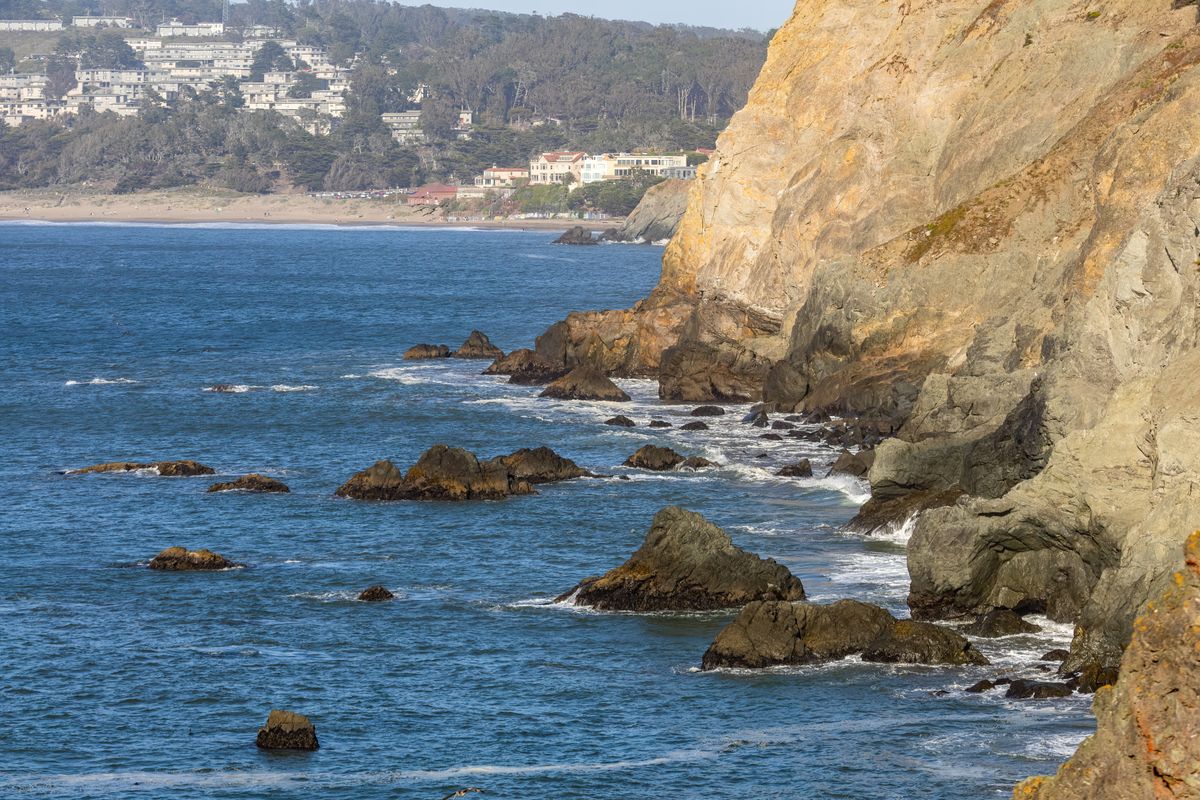
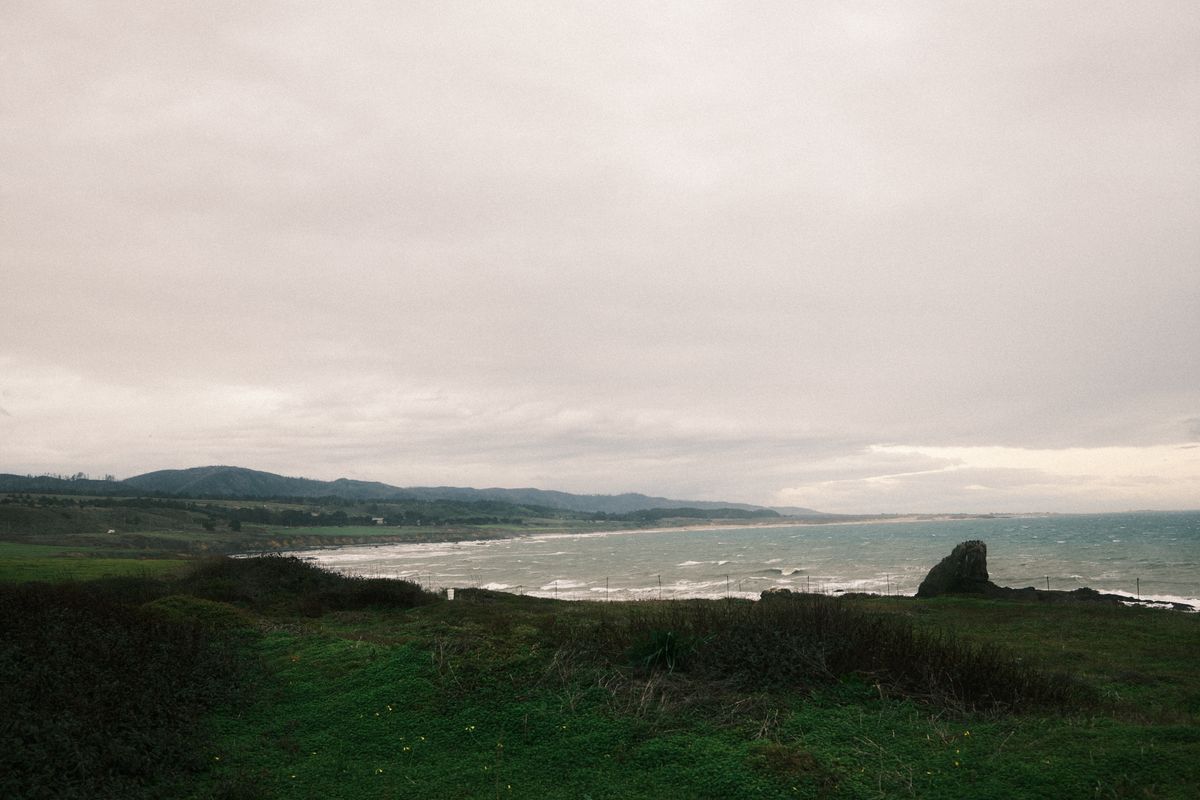
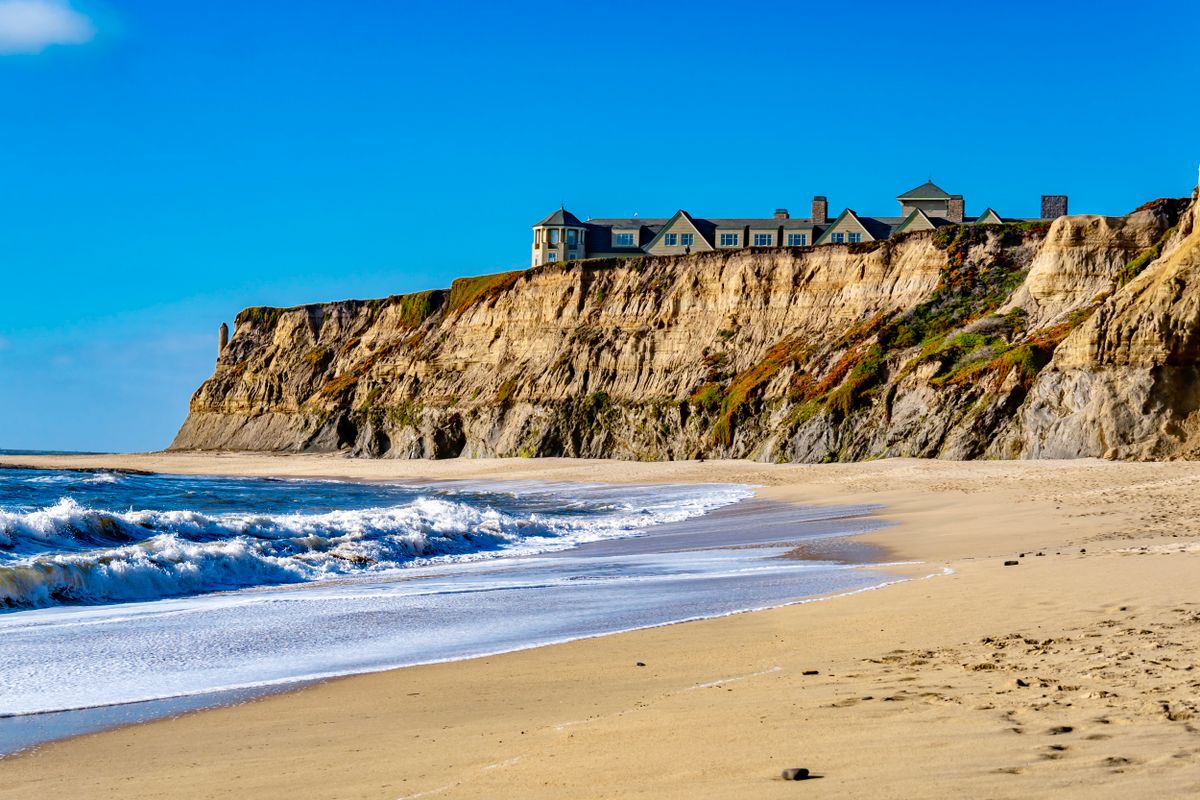
San Simeon — this is the coast these pages are about.
Quick answer: View Clearing in San Simeon, CA — Trees on this coast live with fog, salt, wind and thin soil, and the work that keeps them healthy is decided by those conditions rather than by a calendar written inland. Structure, clearance and the root zone are what a tree here needs looked at, and small work done early is what keeps a tree out of the emergency list.
- What it involves: Structural pruning, clearance from structures and wires, deadwood removal, root-zone care and hazard assessment.
- Typical timing: Structural work in the dormant months; deadwood, clearance and hazard work whenever the tree needs it.
- The standard: The ISA standards for pruning and tree risk assessment, applied by ISA-certified arborists.
- Where we work: Cambria, San Simeon, Harmony, Cayucos, Morro Bay, Los Osos and the Cambria pine belt.
- Our own record: 503 pages and 291 stories published on this site. Counted from our own archive, not a stock table.
Field note. What we see on this coast is that the trees people worry about are usually not the ones in trouble: the pine with a clean crown and a lean that predates the house is often sounder than the tidy tree that has been quietly drowning in its own root zone.
On the other hand, there is no schedule that suits every tree — the same species on two sides of one street can need opposite care, which is why we look before we recommend.
On the San Simeon coast the ocean is visible from almost everywhere and from almost nowhere at once, because the cypress along the ridge has grown back into the gap somebody opened a decade ago. View clearing is the work of reopening that gap without making the trees look butchered.
A view is a corridor, not a clearing
The mistake is to treat a sightline as an area. You do not need the hillside cut; you need a specific corridor between a specific window and a specific piece of water. Work inside that corridor, take what is in the way, and leave everything either side of it alone. The result reads as a natural gap rather than a scrape, and the trees that remain keep doing the wind and erosion work the whole ridge depends on.
The cuts that open a sightline
- Windows — removing a few selected limbs from inside a crown so the view passes through it rather than over it. The silhouette stays.
- Selective reduction — shortening the limbs that rise into the corridor, cut back to a lateral so nothing is left as a stub.
- Removing the volunteers — the saplings and the fast-growing scrub that came up after the last clearing are usually doing most of the blocking.
- Lifting the low canopy — the view over a slope is often lost in the first ten feet, not the top.
What grows back, and how fast
Fast. On this coast the combination of fog, mild winters and a long growing season means a corridor cut this winter is noticeably closing within three years and substantially shut within eight. That is worth knowing before paying for it, and it is the reason we work with the slope's own tendency rather than against it: a corridor cut to follow the way the trees want to grow reopens cheaply for longer than one cut across the grain.
Whose tree is it
A view is often somebody else's tree. Where the limb that blocks the water is on the far side of a boundary, the question stops being horticultural and becomes a legal one, and on this stretch of coast the neighbours are sometimes the State Park or an estate rather than a private householder.
We will say plainly what can be done from your side, what needs the owner's permission, and what needs an approval — and we do not cut a neighbour's tree on a handshake.
The honest version
Not every blocked view can be restored. Where the view is blocked by a protected tree, a boundary the wrong way round, or a windbreak that is holding the ridge together, the answer is sometimes that this view is not available. We would rather tell you that at the walk-around than take a deposit for work that will not happen.
Where it can be done, it is usually a day, a chipper, and a corridor that has to be maintained rather than recreated. There is a real choice between restoring once and committing to a cycle.
Walk the sightline with us
Stand at the window, take a photograph with the horizon in it, and note what blocks it. Call (805) 927-4414 or use the contact page, and see our services for the rest of the coastal work.
Questions, quotes, or just exploring — we’re here to help.