


Deciding the Fork While It Is Small
Structural Pruning in San Simeon, CA
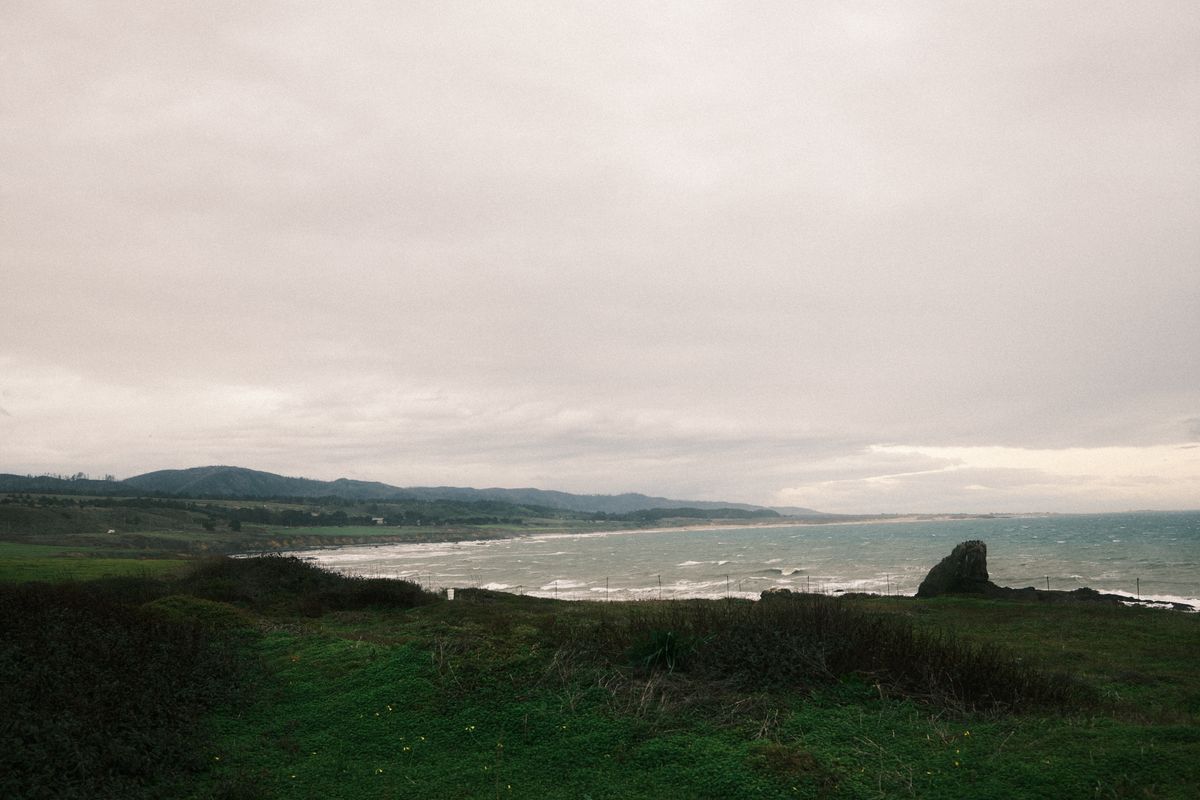
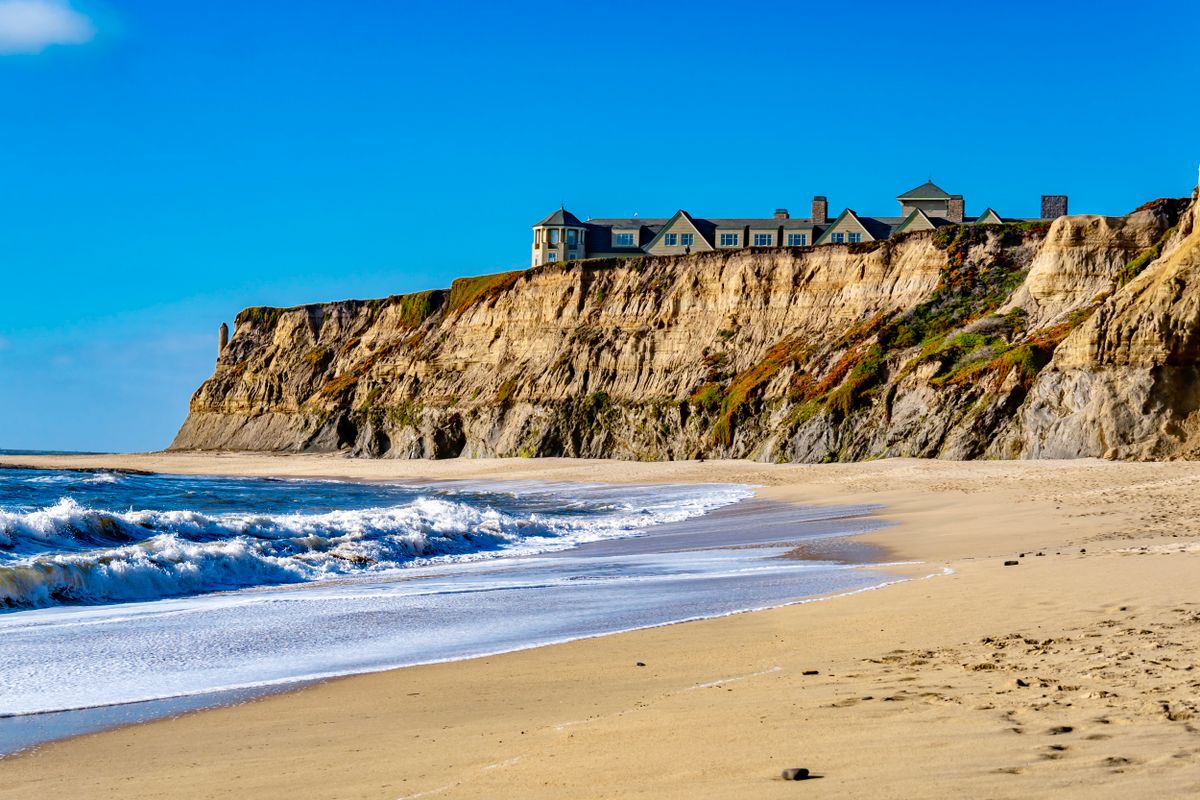
San Simeon — this is the coast these pages are about.
Quick answer: Structural Pruning in San Simeon, CA — Pruning is a plan before it is a cut: deadwood and broken limbs first, then clearance from roofs, wires and paths, then the structure the tree will carry for the next decade. The right cut heals and the wrong one invites decay, which is why the order matters more than the number of cuts.
- Typical timing: Structural work in the dormant months, light clearance and deadwood any time the tree is not under stress.
- What it involves: Removing dead and crossing limbs, thinning to let light through, lifting low limbs for clearance, and never topping a tree.
- The standard: The ANSI A300 pruning standard as applied by ISA-certified arborists — including the three-cut method on every limb worth saving.
- Where we work: Cambria, San Simeon, Cayucos, Morro Bay, Los Osos and the towns between.
- Our own record: 503 pages and 291 stories published on this site. Counted from our own archive, not a stock table.
Field note. What we see on this coast is a pruning calendar that does not match the inland one: salt air, fog and wind mean a cut that would be minor in the valley can be the one that opens a crown to decay here, so we look at the species and the exposure before the season.
On the other hand, not every tree wants to be pruned: leaving a healthy canopy alone is a decision that pays, and a tree with plenty of space is often better served by doing nothing.
A cypress that splits at the fork in its fifties was usually decided in its teens, and nobody was watching. Structural pruning is the work done early so that the tree that stands over a San Simeon house in thirty years has one leader, spaced limbs and no seam waiting to open.
What we are building
A tree's architecture is decided by which stems win. Left alone, a young tree with two competing leaders will usually keep both, and where they meet there is no wood joining them — just bark pressed between, a weak union that widens with every year of growth. The same is true of limbs that leave the trunk at a narrow angle or at the same height on the same side. Structural pruning picks the winner and subordinates the rest.
The cuts, in order
The emphasis throughout is on small cuts made early. A four-inch cut on a young tree leaves a wound it can close in a season; the same defect on a mature cypress is a structural problem rather than a pruning one.
- Choose one leader and let it dominate. Competing stems are shortened or removed so the chosen one takes the height.
- Space the scaffold limbs along and around the trunk rather than clustering them at one height or on one side.
- Remove or shorten narrow-angled unions while they are still small enough to cut in one pass.
- Keep the crown balanced — a tree that has been pruned hard on one side will lean and thicken unevenly for the rest of its life.
Corrective work on a tree that is already grown
On a mature tree the options narrow, but they are not zero. Competing stems can still be subordinated by shortening them back to a lateral rather than removing them outright, which reduces the load the union carries and slows the stem that is winning the race.
What cannot be fixed by pruning is a union that has already begun to fail, and where the seam is opening the answer is a support system instead — see cabling and bracing in San Simeon, which is structural pruning's mature-tree counterpart.
Young trees are where this pays
On this coast the trees that matter most are the ones people plant: a screen of cypress along a boundary, a pine put in to replace one that came down, a line of something wind-hardy along the drive.
Ten minutes a year on a young tree for its first decade costs less than one afternoon on the same tree at thirty, and it makes the difference between a tree that stands through a gale and one that has to be supported or removed.
One visit, then a rhythm
Structure is not a single operation. We set the tree up on the first visit and then come back at intervals that shrink as the tree matures — annual while it is growing fast, every few years once it has settled into its shape. Tell us the species and how long it has been in the ground, and we will say what the tree needs next.
Start while the tree is small
Send a photograph of the whole young tree from the side, and one looking up the trunk. Call (805) 927-4414 or use the contact page, and see pricing for how this work is quoted.
Questions, quotes, or just exploring — we’re here to help.