

Taking What the Wind Would Take
Deadwooding in San Simeon, CA
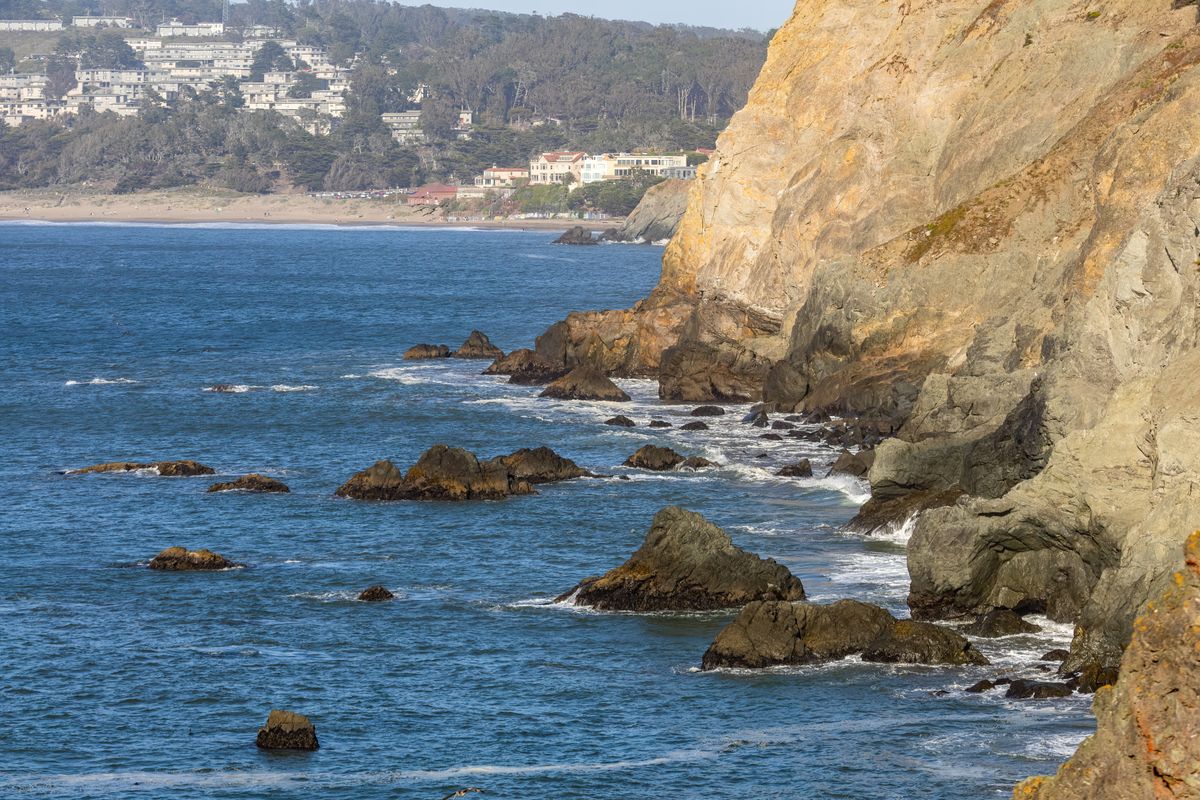
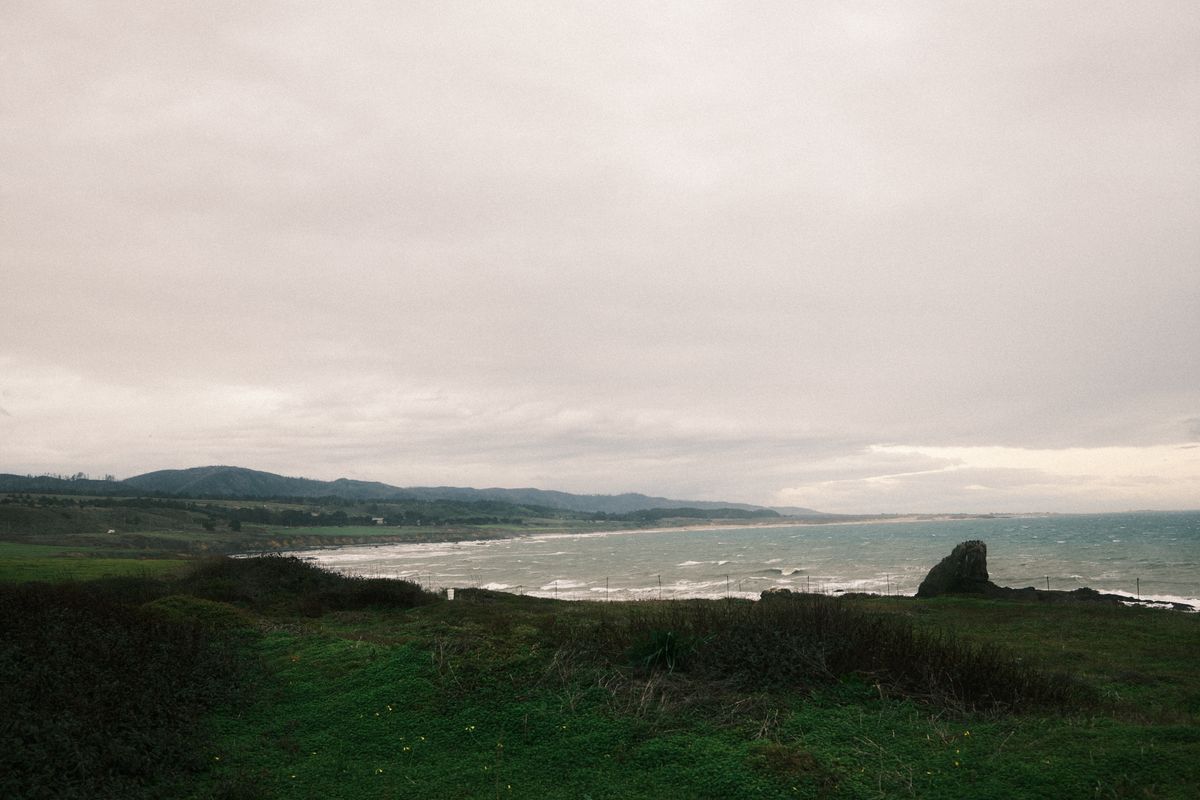
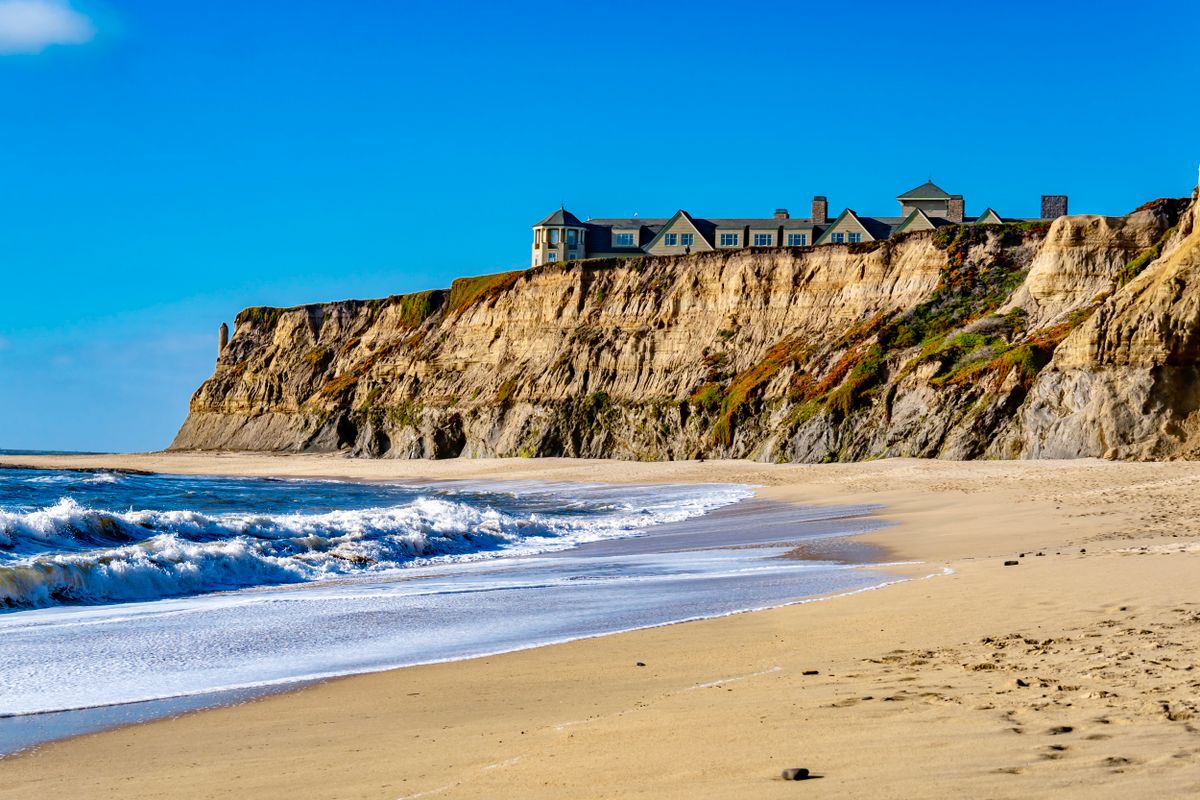
San Simeon — this is the coast these pages are about.
Quick answer: Deadwooding in San Simeon, CA — Pruning is a plan before it is a cut: deadwood and broken limbs first, then clearance from roofs, wires and paths, then the structure the tree will carry for the next decade. The right cut heals and the wrong one invites decay, which is why the order matters more than the number of cuts.
- Typical timing: Structural work in the dormant months, light clearance and deadwood any time the tree is not under stress.
- What it involves: Removing dead and crossing limbs, thinning to let light through, lifting low limbs for clearance, and never topping a tree.
- The standard: The ANSI A300 pruning standard as applied by ISA-certified arborists — including the three-cut method on every limb worth saving.
- Where we work: Cambria, San Simeon, Cayucos, Morro Bay, Los Osos and the towns between.
- Our own record: 503 pages and 291 stories published on this site. Counted from our own archive, not a stock table.
Field note. What we see on this coast is a pruning calendar that does not match the inland one: salt air, fog and wind mean a cut that would be minor in the valley can be the one that opens a crown to decay here, so we look at the species and the exposure before the season.
On the other hand, not every tree wants to be pruned: leaving a healthy canopy alone is a decision that pays, and a tree with plenty of space is often better served by doing nothing.
Every winter takes something off the trees along the San Simeon highway, and most of what it takes was already dead. Deadwooding is the cheapest real risk reduction available on a mature coastal tree: you remove the wood that is going to come down anyway, on your schedule rather than the weather's.
Telling dead wood from a live stub
The eye can be fooled, so we use four checks. Bark — dead limbs lose their bark or hold it loose, and a live stub does not. Twigs — dead twigs snap; living ones bend. Attachment — a dead branch is held only by the wood that grew around it, which is a much weaker connection than a living collar. Colour in the crown — the grey-brown haze of a dead top reads differently against the sky from the green of the same species beside it.
Dead wood is also not always obvious from the ground. A limb that has been dead for years may still look structurally sound from below, which is one reason this is a job for someone who will climb it and look.
Why dead wood fails unpredictably
Live wood bends before it breaks and gives a warning. Dead wood does neither; it has no capacity to redistribute load, so it holds until it does not. On a coast where the wind is loaded with salt and the soil is sand over bluff, a dead limb that has been visible for two seasons is a limb on a timer — and the timer is set by the next storm rather than by anything you can see.
What the cut should look like
Dead branches come off at the branch collar, the swollen tissue where the branch meets the stem. Cutting flush with the trunk removes the collar and leaves the biggest possible wound; leaving a long stub means the dead wood stays on the tree and rots back into live tissue. The collar is also where the tree's own compartmentalising chemistry sits, so leaving it intact is what lets the tree seal the wound rather than inherit it.
Where it fits, and what it does not fix
Deadwooding is a risk reduction, not a cure. It removes the wood that is already dead and does nothing about the fork that produced it, the root plate that is moving, or the crown that is catching too much wind. Where any of those is the real problem the right answer is a proper look at the tree — see tree inspection in San Simeon — and sometimes structural work rather than a clean-up.
How often
Mature cypress and pine on exposed ground here shed something most years, so a cycle of a few years is normal rather than excessive. A tree that needs deadwooding every single year has a problem that deadwooding is only masking.
Take the wood before the wind does
Send photographs of the crown against a bright sky; the silhouette shows the dead better than a close-up. Call (805) 927-4414 or use the contact page, and see our services for the wider pruning and risk work.
Questions, quotes, or just exploring — we’re here to help.