

When the Machine Decides the Job
Crane-Assisted Removal in San Simeon, CA
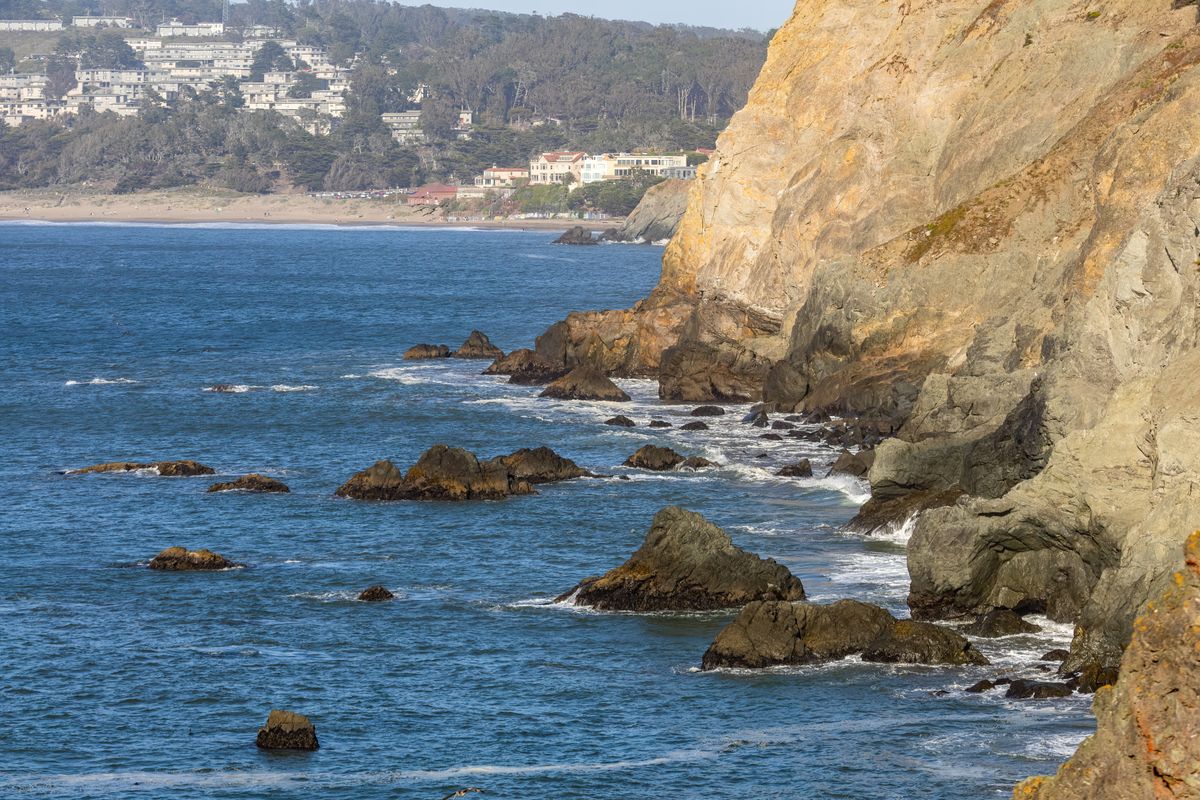
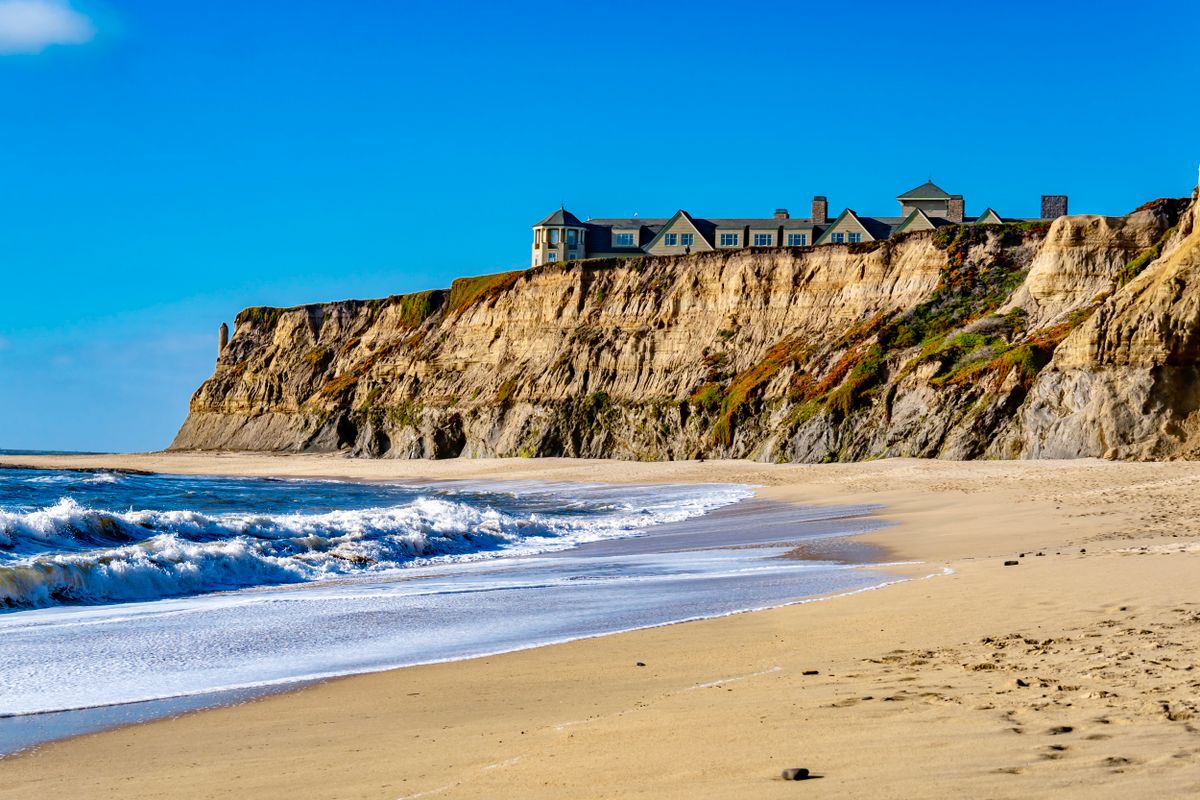
San Simeon — this is the coast these pages are about.
Quick answer: Crane-Assisted Removal in San Simeon, CA — Removing a tree is planning before it is cutting: where the wood lands, what is under it, whether a rope or a crane takes the weight, and what is left when the crew drives away. A removal is finished when the drop zone is clear and the stump is dealt with, not when the trunk hits the ground.
- Typical timing: When the tree is a hazard, the schedule is immediate — storm damage, split leaders and leaners do not wait for good weather.
- What it involves: A written plan for the drop zone, rigging or crane work over structures, protecting driveways and roofs, and deciding the stump’s fate in advance.
- The standard: The ANSI Z133 safety standard for arboricultural operations, and ISA best practice for removals near structures.
- Where we work: Small town lots, coastal acreage and the narrow properties of the Cambria pine belt.
- Our own record: 503 pages and 291 stories published on this site. Counted from our own archive, not a stock table.
Field note. What we see here is that access decides the price more than height does: a pine over a fence on a slope with no driveway costs more to take down safely than a taller tree with a clear drop, and the plan is where that shows up.
On the other hand, removal is not the only safe answer — a tree with one failing limb, or a lean that can be corrected by reduction, is often better kept and managed than gone.
There is one flat, firm turnout on some San Simeon parcels and a quarter mile of steep grass on either side of it, and that is the whole conversation about whether a crane can be used. The machine settles the question before the tree does.
What a crane actually changes
With a crane in position, a tree stops being a slow descent of hundreds of small pieces. The climber still goes up, but only to sling the wood; the crane lifts whole sections out of the crown and sets them down in the landing zone. Three consequences follow, and all three matter on this coast:
- Fewer cuts aloft in loaded wood. The riskiest part of a removal is the time spent high in a salt-weakened cypress, and a crane shortens it.
- Control rather than momentum. A lowered piece has to be steered; a craned piece is held. Over a house or a highway shoulder that difference is the job.
- Speed that shrinks the exposure window. A big tree that would take two days to rig by hand can leave the property before lunch, which on an exposed ridge matters.
What crane-assisted tree removal in San Simeon needs before it can start
A crane is a heavy vehicle on a narrow road with a limited number of places to turn around.
We check four things in advance: bearing — graded ground, not sand over a buried septic tank; setback — the radius the boom sweeps, which decides which trees can be reached from where; the road — whether Highway 1 traffic control or a closure is needed, and who authorises it; and overhead — the utility drop or the distribution line that the boom must not foul.
Where any of those fails, the answer is not a workaround. It is conventional rigging.
When rigging is the better answer
A tree behind a fence, across a creek terrace, or on ground the crane cannot stand on is a tree that comes down in pieces with ropes. That is not a lesser method — it is the right method for that tree, and it is often cheaper because nothing has to be moved into position first. The honest advice on this coast is frequently that no crane can reach the job at all.
The plan is the same either way
Both methods start from the same place: identify the load path, choose the rigging points, and decide where every piece lands before the first cut. For a tree that has started to fail rather than one that is merely large, that planning is the same work described under hazardous tree removal, and it comes before the equipment question.
Ask the access question first
Send a photograph of the tree and, more usefully, one of the approach — the gate, the drive, the turnaround. Call (805) 927-4414 or use the contact page, and see our services for the rest of the work.
Questions, quotes, or just exploring — we’re here to help.