

Telling Salt Burn From a Dead Tree
Dead & Dying Tree Removal in San Simeon, CA
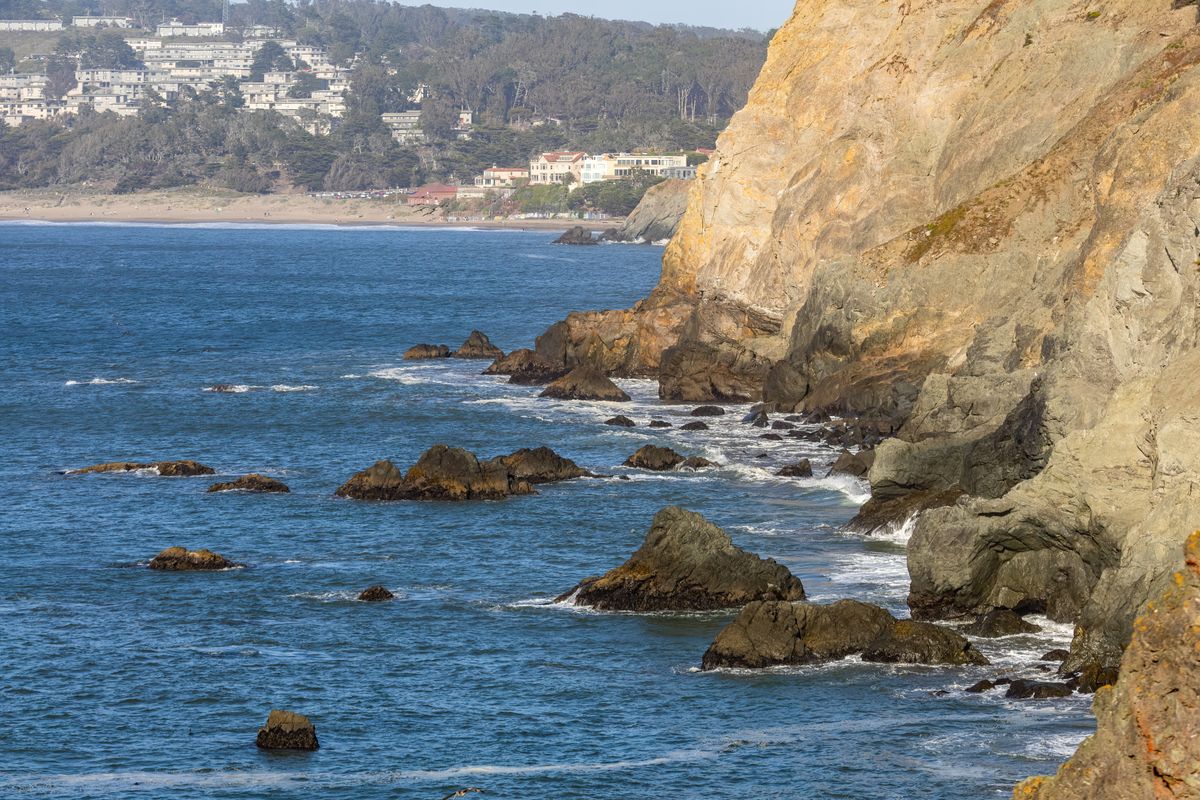
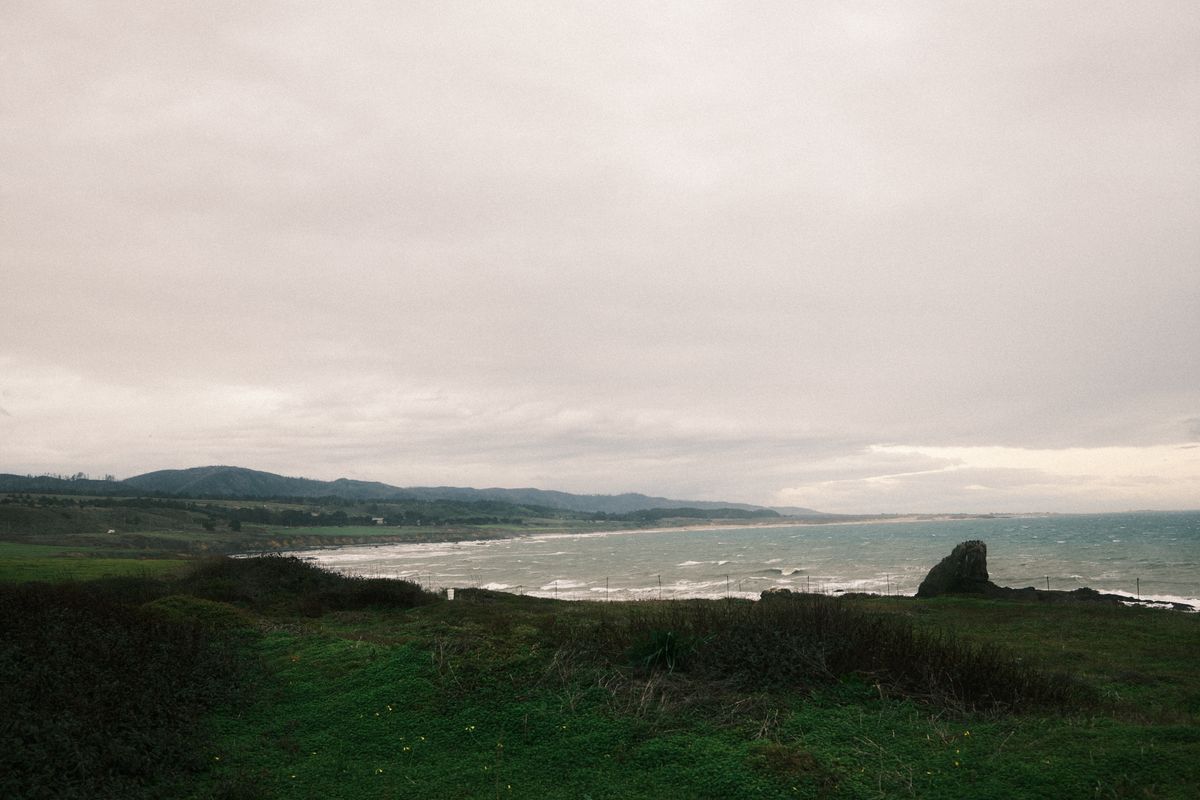
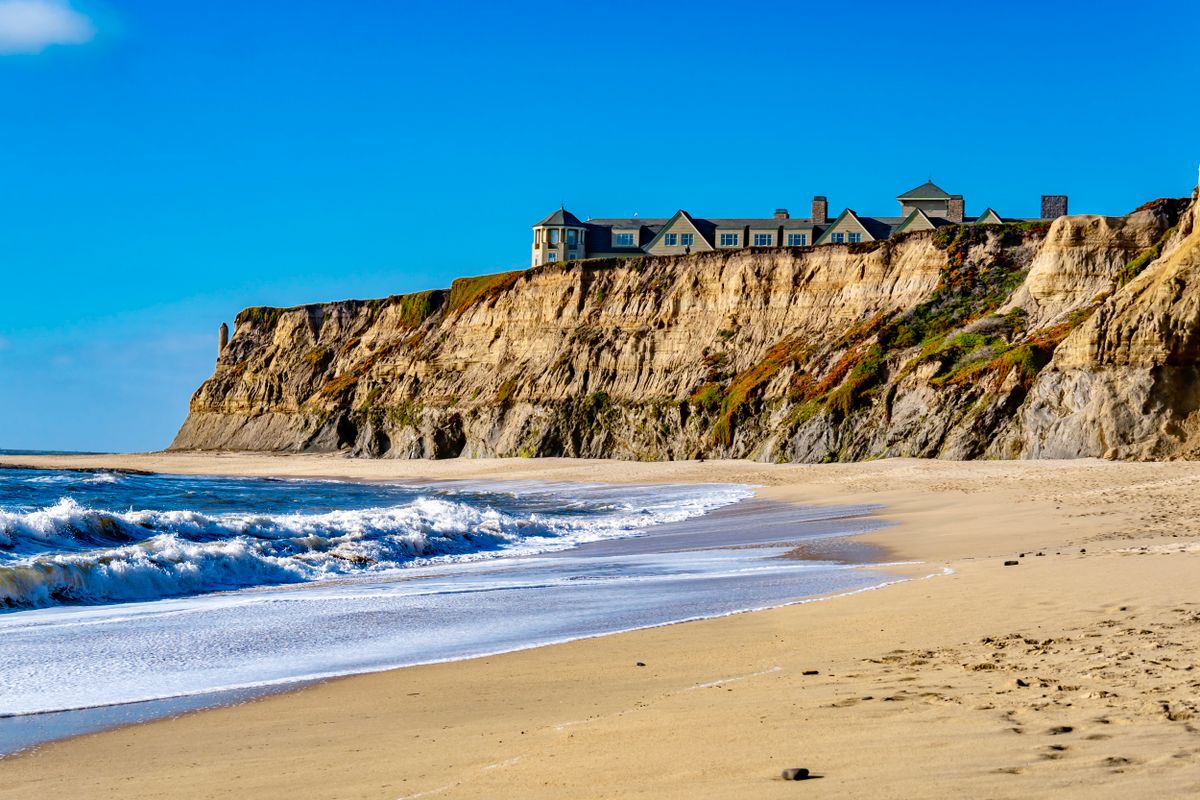
San Simeon — this is the coast these pages are about.
Quick answer: Dead & Dying Tree Removal in San Simeon, CA — Removing a tree is planning before it is cutting: where the wood lands, what is under it, whether a rope or a crane takes the weight, and what is left when the crew drives away. A removal is finished when the drop zone is clear and the stump is dealt with, not when the trunk hits the ground.
- Typical timing: When the tree is a hazard, the schedule is immediate — storm damage, split leaders and leaners do not wait for good weather.
- What it involves: A written plan for the drop zone, rigging or crane work over structures, protecting driveways and roofs, and deciding the stump’s fate in advance.
- The standard: The ANSI Z133 safety standard for arboricultural operations, and ISA best practice for removals near structures.
- Where we work: Small town lots, coastal acreage and the narrow properties of the Cambria pine belt.
- Our own record: 503 pages and 291 stories published on this site. Counted from our own archive, not a stock table.
Field note. What we see here is that access decides the price more than height does: a pine over a fence on a slope with no driveway costs more to take down safely than a taller tree with a clear drop, and the plan is where that shows up.
On the other hand, removal is not the only safe answer — a tree with one failing limb, or a lean that can be corrected by reduction, is often better kept and managed than gone.
Half the trees that look dead along the San Simeon highway are not. Salt burn strips a cypress of its foliage from the ocean side and leaves it standing like a skeletal thing, and the same tree puts out new growth behind that shear every spring. Reading that difference is the whole first half of the job.
Dead, dying, or just salted
We look at three things before calling a tree finished. Where the dieback starts — a tree that dies from the outside in, on the windward face only, is usually salt or wind.
A tree that dies from the top down or from the inside out is usually root or trunk. Whether the twigs bend — dead wood snaps clean; living wood bends and returns. Whether the bark is tight — a dead limb's bark lifts away from the wood, and a live one's does not.
On this stretch the pattern is a cypress or a Monterey pine with a crown that has thinned to a grey haze and a trunk that still holds. That tree is dying, it is not dead, and it is not the same job.
Why dead wood is more dangerous to work in than live wood
Dead wood is brittle. A live limb bends under a climber's weight and gives warning before it fails; a dead limb does neither, and a dead top can shed a piece the moment a rope loads it. For dead tree removal in San Simeon that changes the method: fewer cuts aloft, more work from the ground, and a rigging point chosen in sound wood rather than in whatever is closest to hand.
What is killing them on this coast
- Salt and wind — the slow shear of the windward crown, which opens wounds that never quite close.
- Cypress canker — the fungal disease that turns a hedge from the inside, leaving bleached skeletons in a row.
- Bark beetles after drought — the pines that went in the dry years and never came back, standing in a death-grip of pitch.
- Bluff-edge instability — a tree whose root plate is losing ground is dying for a reason no arborist can treat.
A dead tree is planned work, not an emergency
The one advantage a dead tree gives you is notice. It is not going anywhere on its own schedule in the next hour; it is going to fail in a wind event, at the season's worst moment, and the sensible response is to take it while the ground is dry and the access is clear. A hedge of canker-killed cypress is best done as one job rather than five emergency calls.
Where the stump and the root mass are holding a bank, we take the crown and leave the anchor, and where the tree is genuinely over nothing, we clear the lot properly. The chips stay on the parcel or leave with the truck — the same choice as any other job.
If the tree has already come down onto something insured, the documentation side is a separate piece of work; see emergency tree service in San Simeon for the call-out itself.
Get a verdict, not a guess
Send a photograph of the crown against the sky and one of the base, and tell us what the tree stands over. Call (805) 927-4414 or use the contact page, and see pricing before you book.
Questions, quotes, or just exploring — we’re here to help.