

One Programme for a Parcel With Several Buildings
HOA & Apartment Tree Programs in Harmony, CA
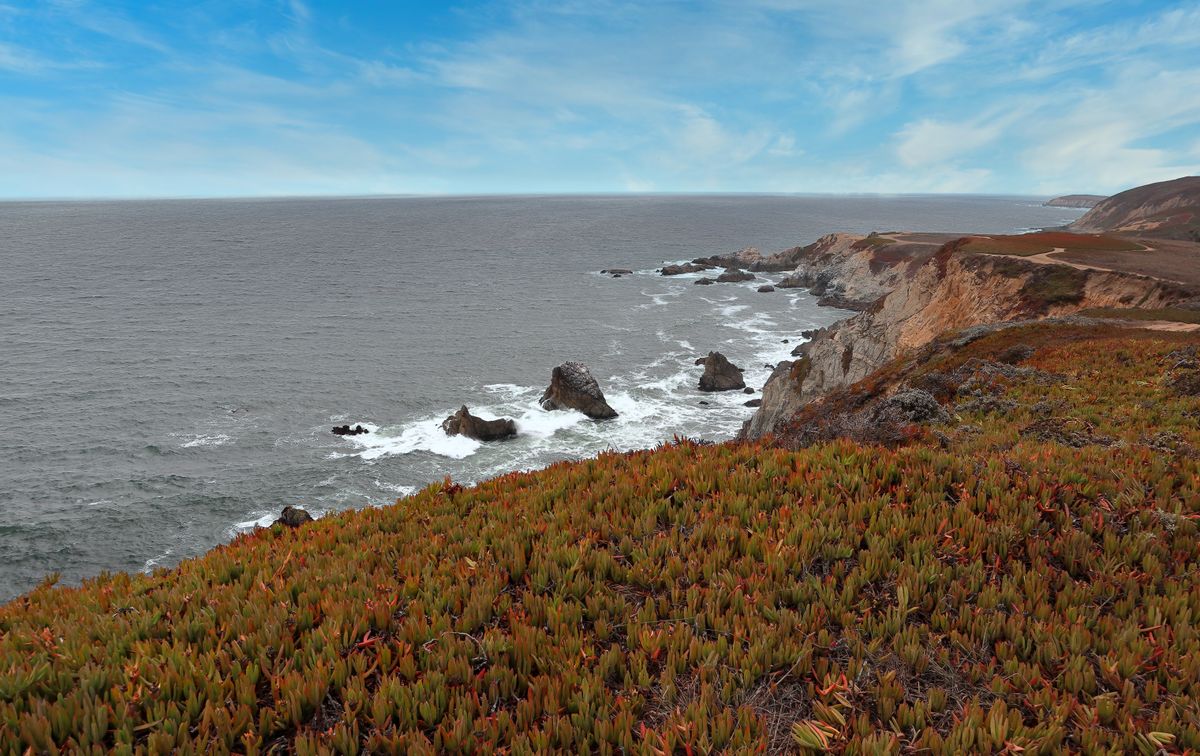
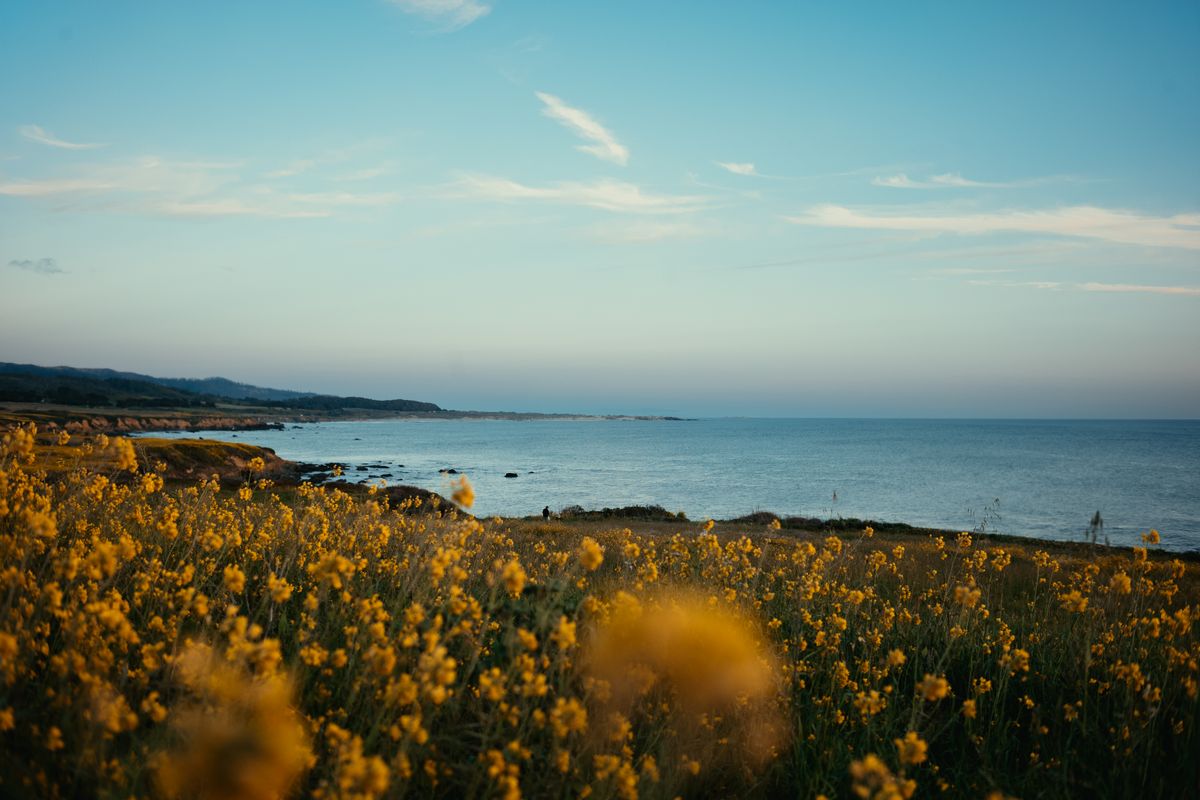
Harmony — this is the coast these pages are about.
Quick answer: HOA & Apartment Tree Programs in Harmony, CA — Trees on this coast live with fog, salt, wind and thin soil, and the work that keeps them healthy is decided by those conditions rather than by a calendar written inland. Structure, clearance and the root zone are what a tree here needs looked at, and small work done early is what keeps a tree out of the emergency list.
- What it involves: Structural pruning, clearance from structures and wires, deadwood removal, root-zone care and hazard assessment.
- Typical timing: Structural work in the dormant months; deadwood, clearance and hazard work whenever the tree needs it.
- The standard: The ISA standards for pruning and tree risk assessment, applied by ISA-certified arborists.
- Where we work: Cambria, San Simeon, Harmony, Cayucos, Morro Bay, Los Osos and the Cambria pine belt.
- Our own record: 503 pages and 291 stories published on this site. Counted from our own archive, not a stock table.
Field note. What we see on this coast is that the trees people worry about are usually not the ones in trouble: the pine with a clean crown and a lean that predates the house is often sounder than the tidy tree that has been quietly drowning in its own root zone.
On the other hand, there is no schedule that suits every tree — the same species on two sides of one street can need opposite care, which is why we look before we recommend.
Harmony does not have an HOA, but it has the same problem in a different shape: a handful of parcels on the highway carrying several buildings each — the creamery, the winery, the guest cottages, the small rentals along the frontage — with one shared lane, one shared water supply and a set of trees that predate all of it.
When several people share ground and trees, tree care stops being a series of decisions and becomes a programme, and the programme is what this service is.
Who owns which tree, in writing
The first useful deliverable on any shared property is the simplest one: a plan with every tree marked, its species and condition noted, and the boundary or the responsibility for it recorded.
On a parcel that has been subdivided over a century, that is not always obvious from the title, and the ambiguity is what turns a dead limb into an argument between two owners. Getting the list onto paper once saves the same conversation every time a branch comes down.
A cycle instead of a crisis
Shared ground tends to get attention in the worst order: the tree that fails gets dealt with, and everything else waits until it also fails. A programme replaces that with a schedule — the annual structural and deadwood pass on the retained trees, the fire-clearance pass ahead of the dry season, a check on the trees over the lane and the buildings, and the clearing of the margins.
Spreading that across a multi-year cycle is cheaper than the same work done in a hurry after a failure, and it is far cheaper than the failure.
Working around guests, residents and the season
On a property with visitors and tenants, the practical constraints are the ones that get missed. The lane has to stay open for the fire engine and for the people who live here. Work near the tasting room or the cottages does not happen during an event. The water supply is shared, so filling a tank is not free to the neighbour. And the noise window is short when the buildings are occupied.
Sequencing that properly is most of the management work, and it is why the plan is built around the property's calendar rather than the crew's.
Liability and the documented record
Where several parties share trees, the people responsible want to be able to show what they knew and when they acted.
That is what the inspection record, the work notes and the photographs are for: a maintained file that shows the deadwood was removed when it was identified, the clearance was kept up, and the one tree that failed was not a known problem left unaddressed. It is a dull deliverable and it is the one that matters in a dispute or a claim.
Emergency, decided before it happens
A shared property needs an agreed answer to the question of who calls whom at eleven at night when a tree is on the lane. Which number, who has authority to authorise the call-out, whether the lane gets opened first and the paperwork after — all of it written down and given to everyone with a key. It costs nothing to agree in advance and a great deal to improvise.
If several buildings share one set of trees, call (805) 927-4414 and we will walk the whole parcel rather than one property line. The inventory that underpins the programme is commercial tree inventory; see our services, the Harmony page, or the contact page.
Field note — Adrian Delacroix builds the schedule around the property's busiest weeks, because a plan that ignores the season is a plan that gets cancelled.
Questions, quotes, or just exploring — we’re here to help.