

One Growing Point, No Second Chance
Palm Tree Trimming in Harmony, CA
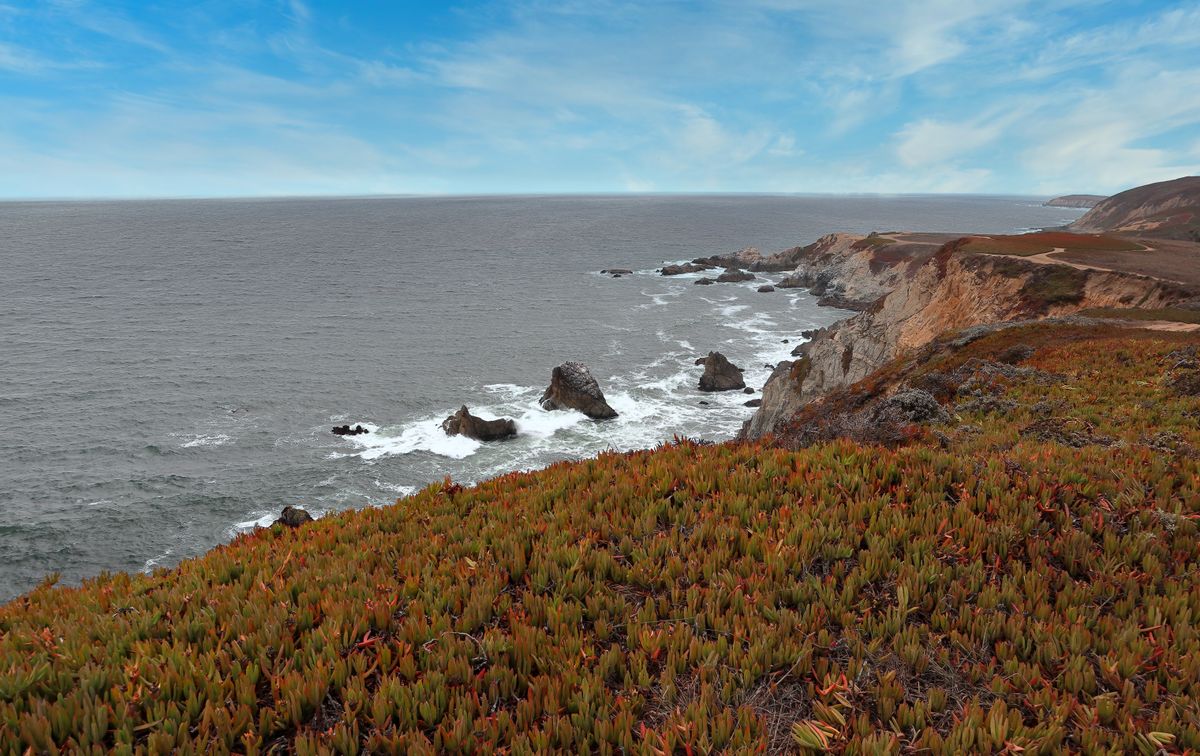
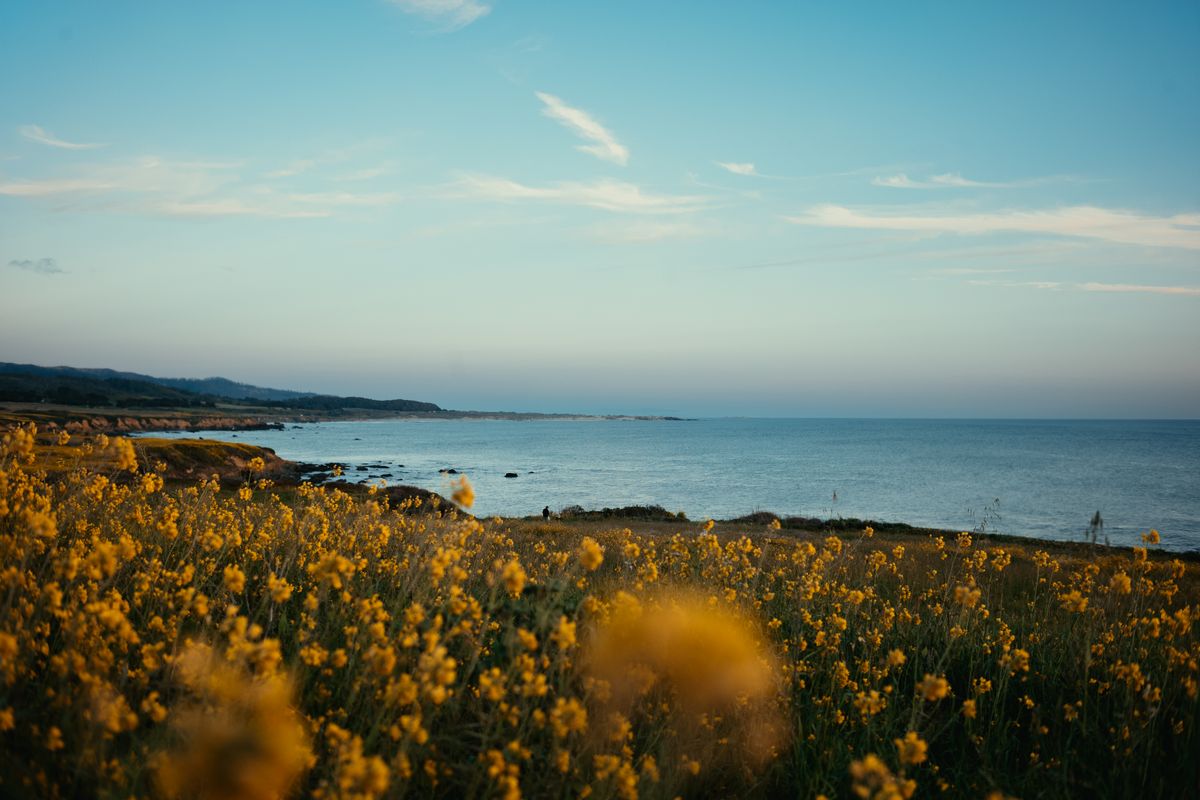
Harmony — this is the coast these pages are about.
Quick answer: Palm Tree Trimming in Harmony, CA — Pruning is a plan before it is a cut: deadwood and broken limbs first, then clearance from roofs, wires and paths, then the structure the tree will carry for the next decade. The right cut heals and the wrong one invites decay, which is why the order matters more than the number of cuts.
- Typical timing: Structural work in the dormant months, light clearance and deadwood any time the tree is not under stress.
- What it involves: Removing dead and crossing limbs, thinning to let light through, lifting low limbs for clearance, and never topping a tree.
- The standard: The ANSI A300 pruning standard as applied by ISA-certified arborists — including the three-cut method on every limb worth saving.
- Where we work: Cambria, San Simeon, Cayucos, Morro Bay, Los Osos and the towns between.
- Our own record: 503 pages and 291 stories published on this site. Counted from our own archive, not a stock table.
Field note. What we see on this coast is a pruning calendar that does not match the inland one: salt air, fog and wind mean a cut that would be minor in the valley can be the one that opens a crown to decay here, so we look at the species and the exposure before the season.
On the other hand, not every tree wants to be pruned: leaving a healthy canopy alone is a decision that pays, and a tree with plenty of space is often better served by doing nothing.
Palm tree trimming in Harmony is a small piece of work with a large consequence if it is done wrong, because a palm is not a tree. The big ornamental palms around the old farmsteads — Mexican fan palms, the occasional Canary date — grow from a single bud at the top of the trunk.
Cut that bud, or starve it by taking too many fronds, and the palm does not regrow. There is no second chance and no coppice, so the trimming rules here are conservative on purpose.
Only the dead fronds, the fruit and the dead boots
What comes off a palm should be what the palm has finished with: fronds that are fully brown and hanging, the spent flower and fruit stalks, and the dead fibrous bases — the boots — that have separated from the trunk. Everything green stays. A palm keeps the older fronds working for a long time, and they are the leaves that feed the plant.
Why the pineapple look is a slow death
Pruning a palm hard to the crown — the shape that looks tidy from the pool deck — removes living leaf area the palm cannot replace quickly, and it exposes the bud to wind, salt and cold. On this coast the damage is worse than inland: the northwest gale straight off the water hits an over-pruned crown with nothing to buffer it, and the trunk can be sunburned where the fronds no longer shade it.
The palm does not die that week. It declines over years, thins from the top down, and eventually the whole head gives out. A palm trimmed to three fronds is a palm on a schedule.
Salt, spray and the coastal growing point
These palms sit close enough to the water that salt spray reaches the crown regularly, which the species tolerate well but which makes the dead frond count higher than it would be inland. That means there is usually something legitimate to remove every year or two, and it also means the temptation to over-prune is constant.
Frond litter is the other nuisance here — the dropped material is heavy, it piles up around the base, and it is a genuine fire fuel in a parcel inside the SRA.
The work itself
A tall palm is climbed or reached with a bucket; there is no branch structure to tie into, so the technique is different from anything else on the lot. Dead fronds come down rather than being dropped, boot removal is a real job on an old specimen because the trunk is thick with accumulated bases, and the ground below has to be clear before anything moves.
Fruit stalks come off before the seed set, which cuts the volunteer palms coming up in the fence lines the following spring.
What we will tell you not to do
If your palm has been hard-pruned for years and the head is small and thin, more trimming will not fix it — it needs to be left alone to rebuild leaf area, and on this coast that takes several seasons. And where the trunk has begun to narrow just below the crown, the crown is dying back and removal is the responsible answer.
If your palms have not been touched in a few seasons, call (805) 927-4414 or use the contact page. Our services page has the wider picture.
Field note — Elena Quinn takes dead fronds and nothing else. A palm's growing point is a single thing, and it does not grow back.
Questions, quotes, or just exploring — we’re here to help.